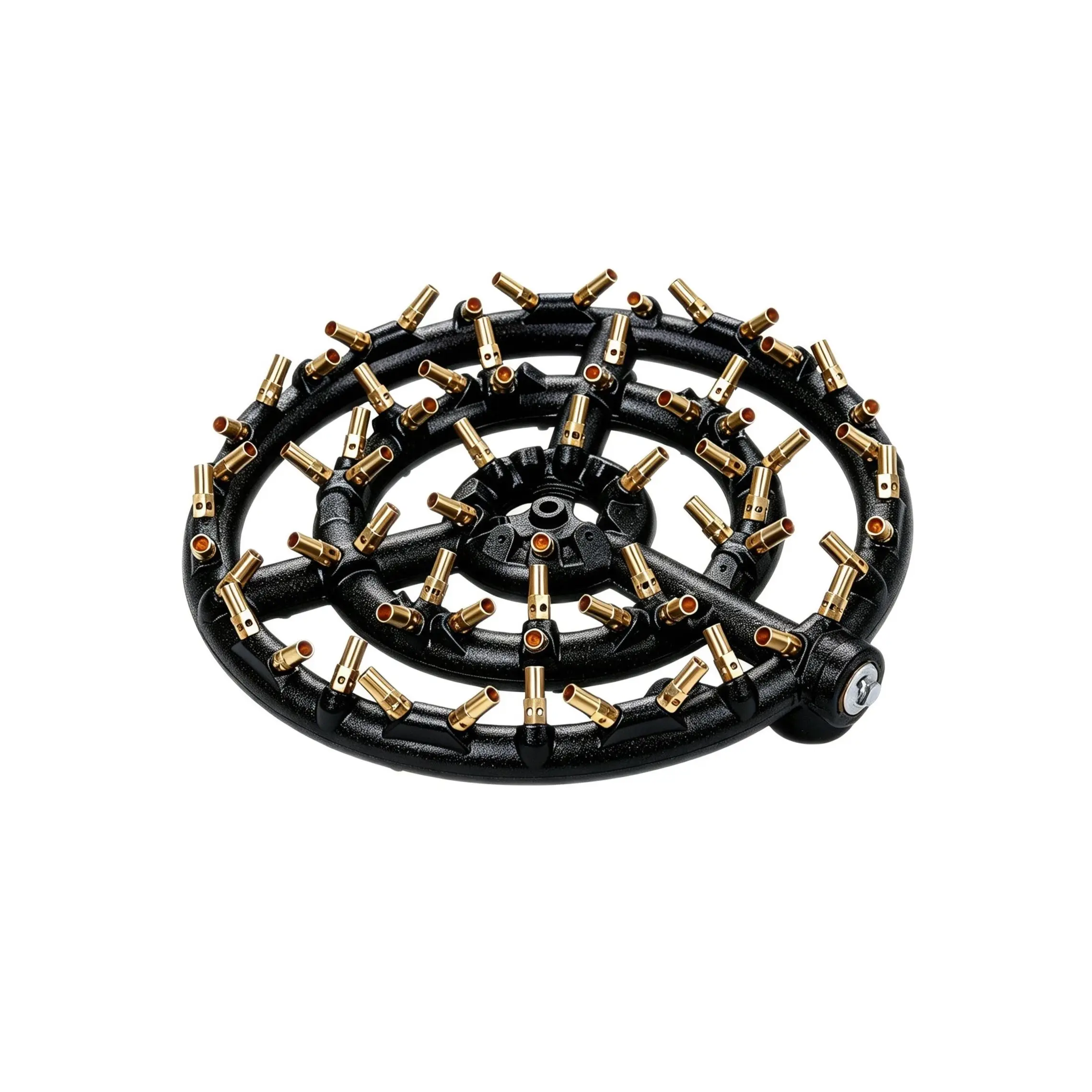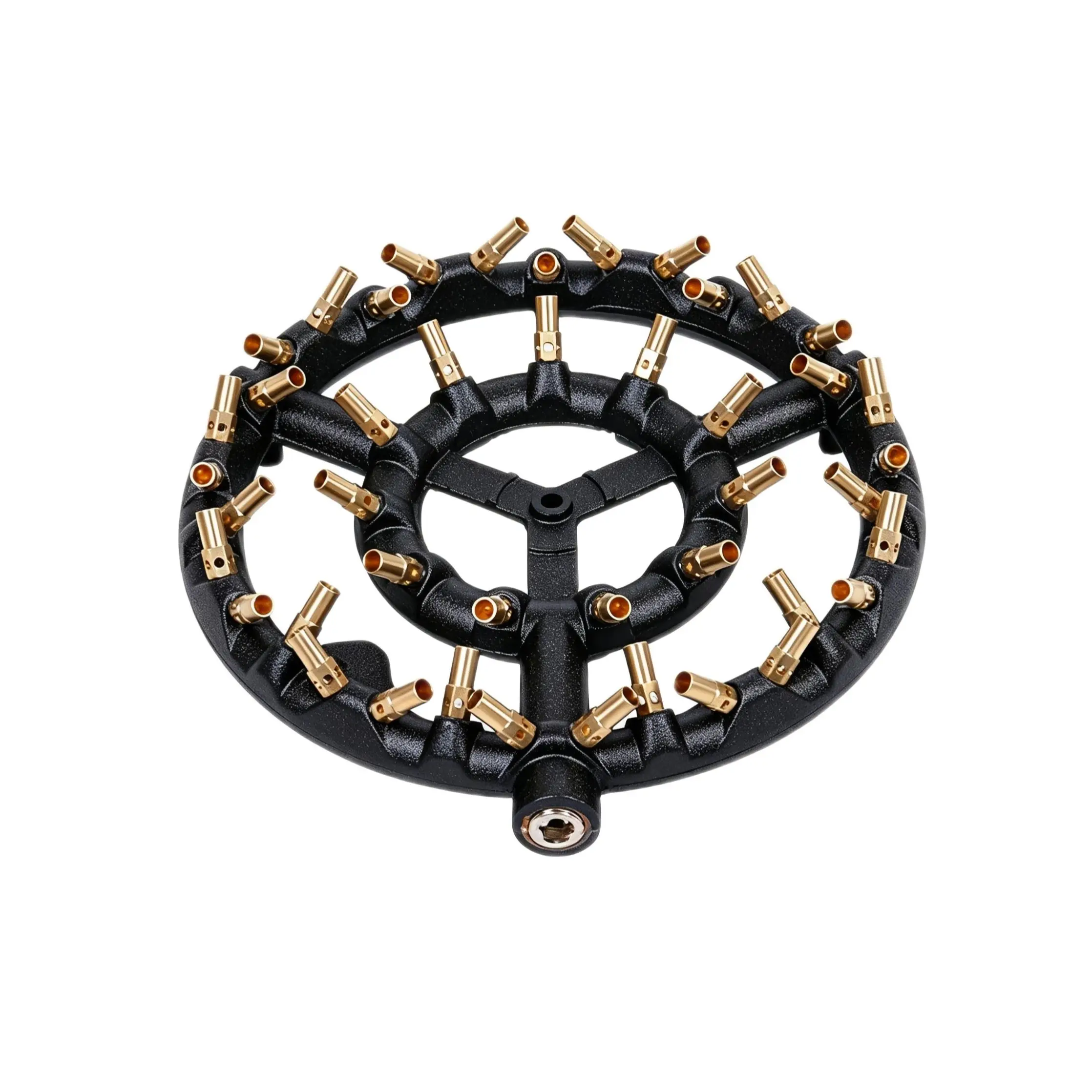
How to Choose Sabaf Burner Replacement Parts for Cost-Sensitive Markets
Sabaf burners are widely recognized for their performance and reliability, but their high unit price and long supply chains often push manufacturers to look for cost-effective replacement parts.
In cost-sensitive markets such as the Middle East, Turkey, Africa, South America, and parts of Asia, stove manufacturers are under constant pressure to balance product quality, safety compliance, and production cost.
This article explains how to choose the right Sabaf burner replacement parts without compromising flame stability, safety standards, or market competitiveness.

Click to get a quote.
Why Sabaf Burner Replacement Parts Matter in Cost-Sensitive Markets
Sabaf burners set a high benchmark in terms of flame distribution and combustion efficiency. However, in price-driven markets:
End consumers are highly price-sensitive
OEM margins are limited
Import duties and logistics costs increase total landed cost
As a result, many stove manufacturers adopt Sabaf-compatible burner parts rather than original branded components to remain competitive.
Key Factors When Selecting Sabaf Burner Replacement Parts
1. Compatibility with Sabaf Burner Design
A reliable replacement part must match the original Sabaf burner in:
Burner head diameter and height
Flame port layout and spacing
Air–gas mixing chamber structure
Venturi and injector alignment
Even small deviations can cause uneven flames, yellow flame issues, or ignition instability.
Tip: Always request dimensional drawings or samples before mass production.
2. Material Selection: Cost vs Performance Balance
Material choice has a direct impact on cost and durability.
Common materials used in Sabaf-compatible parts include:
Cast iron (GG20 / HT200):
Excellent heat resistance, stable flame, lower cost for large burnersAluminum alloy (ADC12):
Lightweight, good for burner bases and venturi partsStainless steel (for flame rings):
Corrosion resistance and long service life
For cost-sensitive markets, a hybrid structure (cast iron burner head + aluminum base) is often the most economical solution.
3. Manufacturing Process and Cost Control
Original Sabaf burners rely heavily on high-precision automated processes, which increases cost.
For replacement parts, smart manufacturers optimize cost through:
Controlled CNC machining only on critical surfaces
Automated drilling for flame ports
Sand blasting instead of polishing where appearance is non-critical
Powder coating or heat-resistant coating instead of chrome plating
This approach maintains performance while significantly reducing unit cost.
4. Gas Type Adaptability (LPG vs Natural Gas)
Cost-sensitive markets often use LPG rather than natural gas. Replacement parts must be designed to handle:
Different injector sizes
Gas pressure variations
Flame height requirements
A good Sabaf burner replacement supplier should offer LPG and NG configurations without redesigning the entire burner structure.
5. Safety and Certification Requirements
Even in cost-driven regions, safety compliance is non-negotiable.
Key standards to consider:
EN 30 (Europe / Turkey)
CE conformity requirements
Local gas appliance regulations
Well-designed Sabaf-compatible burner parts can pass certification when integrated into a compliant stove system, provided materials and tolerances are controlled.
Advantages of Sabaf-Compatible OEM Replacement Parts
Choosing the right replacement parts offers several advantages:
✅ 20–40% lower cost compared to original Sabaf components
✅ Shorter lead times
✅ Flexible OEM customization
✅ Stable performance for mass-market stoves
✅ Easier sourcing for local assembly
This is why many manufacturers serving cost-sensitive markets are gradually shifting from brand-dependent sourcing to OEM-compatible solutions.
How to Evaluate a Reliable Sabaf Burner Replacement Supplier
Before placing orders, manufacturers should verify:
Experience with Sabaf-compatible designs
Ability to supply samples and technical drawings
Stable raw material sourcing
Consistent quality control
Understanding of target market regulations
A supplier that focuses on OEM cooperation, not just parts sales, will deliver better long-term value.
Conclusion
For cost-sensitive markets, choosing Sabaf burner replacement parts is not about copying a brand—it is about replicating performance while optimizing cost.
By focusing on compatibility, material selection, manufacturing efficiency, and gas adaptability, stove manufacturers can deliver competitive products without sacrificing safety or reliability.
The right Sabaf-compatible replacement parts can become a powerful tool to expand market share, protect margins, and improve supply chain flexibility.