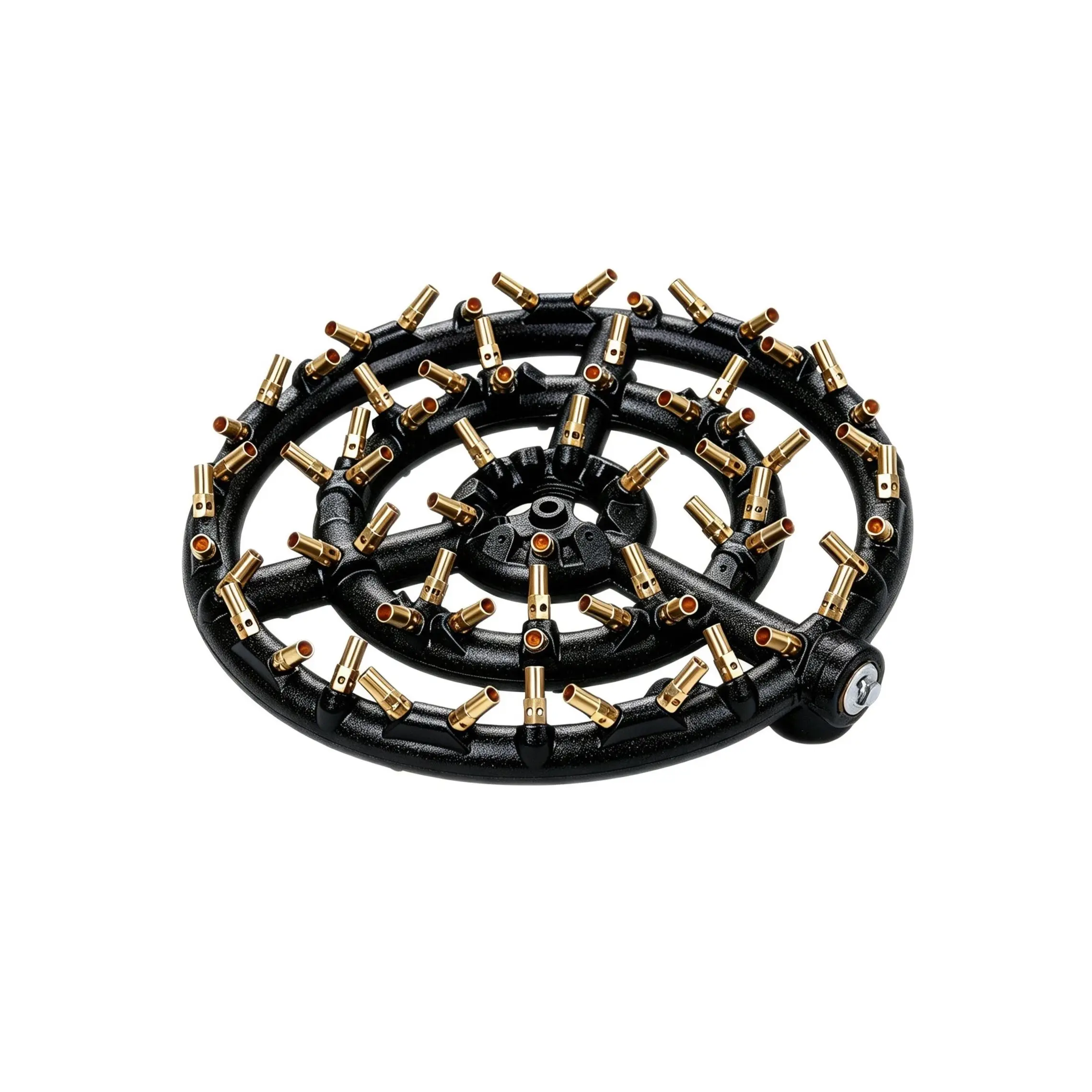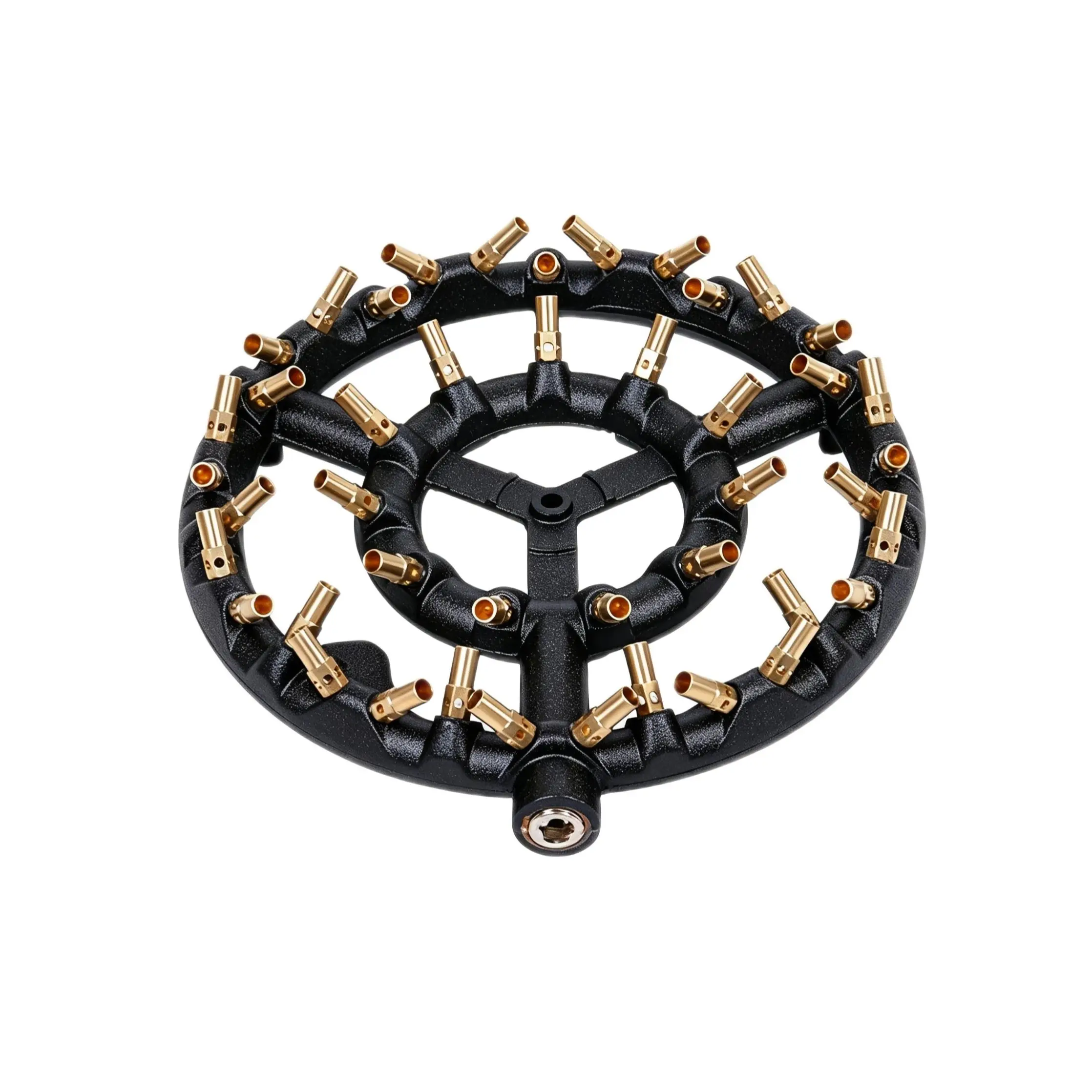
Sabaf Burner Manufacturing Process: From Italian Design to OEM Production
Sabaf burners are widely recognized in the global gas appliance industry for their Italian design, stable flame performance, and compliance with European safety standards. For decades, many gas cooktop manufacturers have relied on Sabaf burner technology as a benchmark. However, with rising costs and supply chain pressures, more OEM manufacturers are exploring Sabaf-compatible burner production while maintaining the same performance standards.
This article explains the complete Sabaf burner manufacturing process, from Italian design principles to large-scale OEM production.
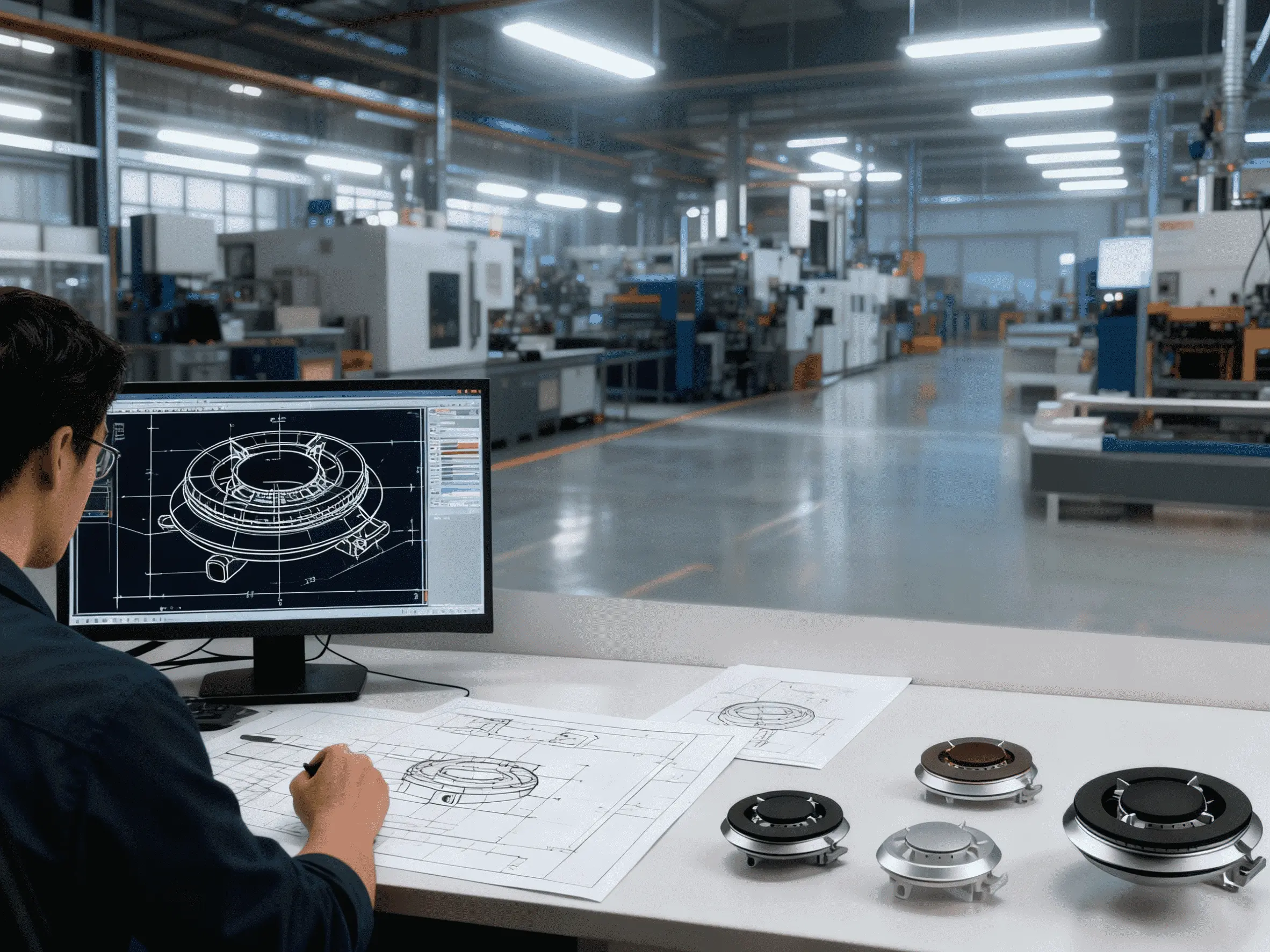
Sabaf burner From design to production
1. Italian Design Philosophy Behind Sabaf Burners
Sabaf burners originated from Italy’s long tradition of gas appliance engineering. The core design philosophy focuses on:
Precise air-gas mixing
Uniform flame distribution
High thermal efficiency
Compliance with EN and CE standards
Italian burner designs prioritize geometry accuracy, especially in flame ports and gas flow channels, which directly impact flame stability and combustion efficiency.
2. Material Selection in Sabaf Burner Manufacturing
Material choice is critical to ensuring durability and safety.
Aluminum Alloy Burner Bodies (ADC12 / EN AC-46000)
Lightweight and corrosion-resistant
Excellent castability for complex shapes
Ideal for high-volume OEM production
Cast Iron Components (GG20 / EN-GJL-200)
Used in heavy-duty or commercial burners
High thermal mass for stable flame performance
Steel and Brass Parts
Used for injectors, brackets, and connection interfaces
Ensure precision and long-term gas tightness
3. Casting Process: Shaping the Burner Core
High-Pressure Die Casting (HPDC)
Most Sabaf-style aluminum burners are produced using high-pressure die casting:
Molten aluminum is injected into precision steel molds
Enables tight dimensional tolerances
Supports complex internal gas channels
HPDC is essential for achieving the consistent quality required by Sabaf burner standards.
Gravity Casting (Selective Models)
Used mainly for thicker or specialty components where structural strength is prioritized.
4. CNC Machining and Dimensional Accuracy
After casting, burner bodies undergo CNC machining to meet strict performance requirements:
Gas inlet threading
Burner seat turning
Injector alignment surfaces
Accurate CNC machining ensures:
Correct air-fuel ratio
Stable ignition
Compatibility with OEM cooktop assemblies
5. Flame Port Drilling and Optimization
Flame port design is one of the most critical steps in the Sabaf burner manufacturing process.
Key requirements include:
Uniform hole diameter
Precise spacing and symmetry
Burr-free edges
OEM manufacturers often adjust flame port patterns to optimize performance for LPG or natural gas markets.
6. Surface Treatment and Coating
Surface finishing improves durability, safety, and visual consistency.
Sand Blasting
Removes casting residues
Enhances coating adhesion
High-Temperature Powder Coating
Protects burner bases and lower structures
Improves corrosion resistance
Decorative Finishes (Selective)
Black enamel or metallic finishes for premium cooktops
Must withstand high operating temperatures
7. Assembly of Sabaf-Style Burner Components
A complete Sabaf burner assembly typically includes:
Burner body
Flame ring
Burner cap
Gas inlet and sealing components
Proper assembly ensures:
Gas tightness
Consistent flame shape
Easy installation for OEM manufacturers
8. Quality Control and Certification Compliance
To meet European and international standards, Sabaf-compatible burners undergo strict testing:
Dimensional inspection
Gas leakage testing
Flame stability and ignition tests
Thermal cycling durability tests
Compliance with CE, EN 30, and local gas appliance regulations is mandatory for EU markets.
9. From Italian Design to OEM Production
While original Sabaf burners are developed in Italy, many OEM manufacturers now produce Sabaf-compatible burners using:
Reverse engineering and performance benchmarking
Cost-optimized materials and tooling
Automated production lines
This approach allows manufacturers to:
Reduce unit costs
Maintain equivalent performance
Improve supply chain flexibility
10. Why OEM Manufacturers Choose Sabaf-Compatible Production
OEM gas stove manufacturers increasingly adopt Sabaf-style burner production because it offers:
Competitive pricing
Stable and proven design architecture
Easier customization for different markets
Faster response to volume demand
Conclusion
The Sabaf burner manufacturing process combines Italian engineering principles with modern OEM production capabilities. From precision die casting and CNC machining to strict quality control, every step is designed to deliver stable flame performance and regulatory compliance.
For stove manufacturers seeking a balance between performance, cost efficiency, and scalability, Sabaf-compatible OEM burner production has become a practical and reliable solution.