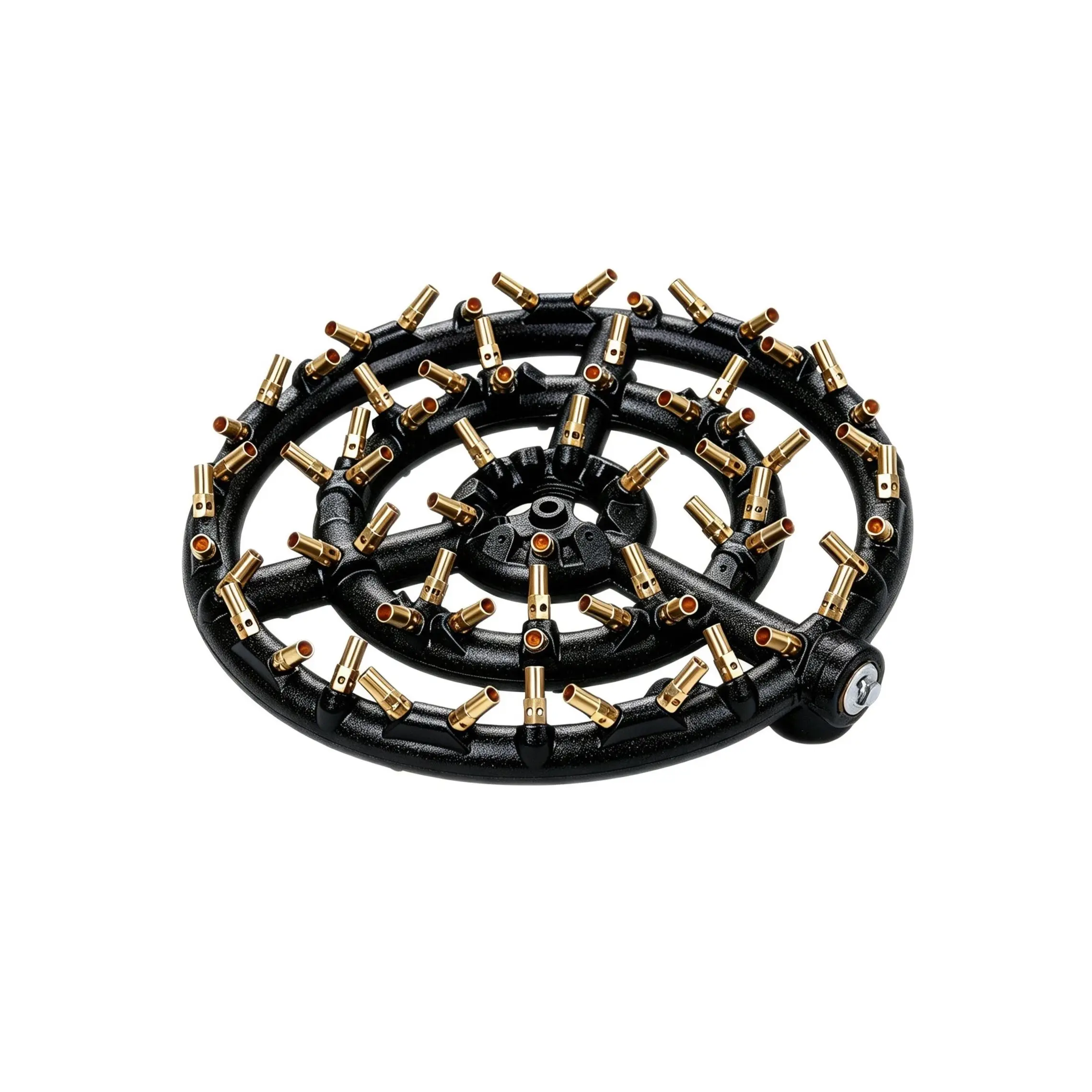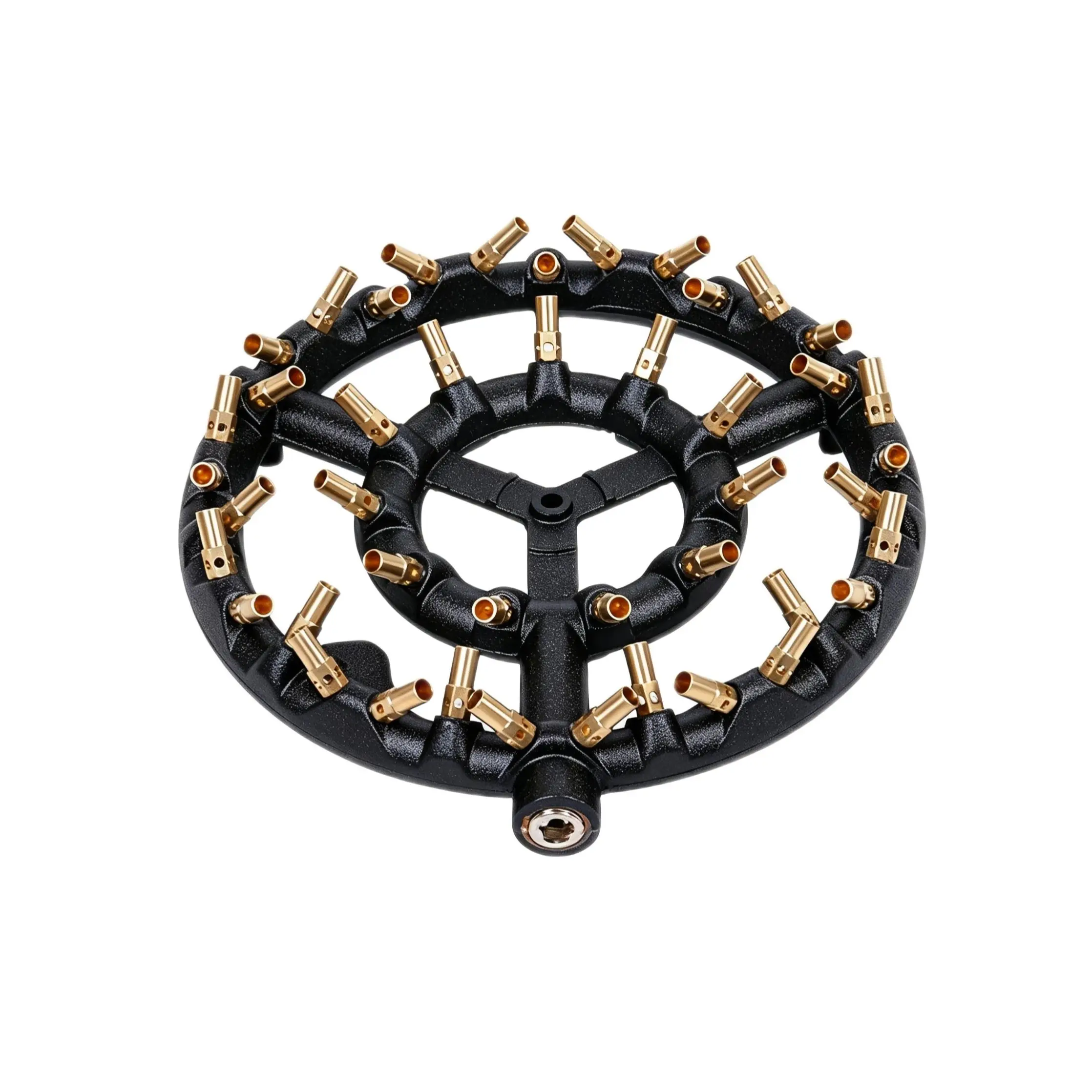
Sabaf Burner for LPG and Natural Gas: Key Technical Differences
In gas cooktop and stove manufacturing, Sabaf burners are widely recognized for their reliability, flame stability, and compliance with international safety standards. However, Sabaf burners designed for LPG and natural gas are not interchangeable without technical modifications. Understanding these differences is essential for OEM manufacturers to ensure performance, safety, and certification compliance.
This article explains the key technical differences between Sabaf burners for LPG and natural gas, helping manufacturers make correct design and sourcing decisions.
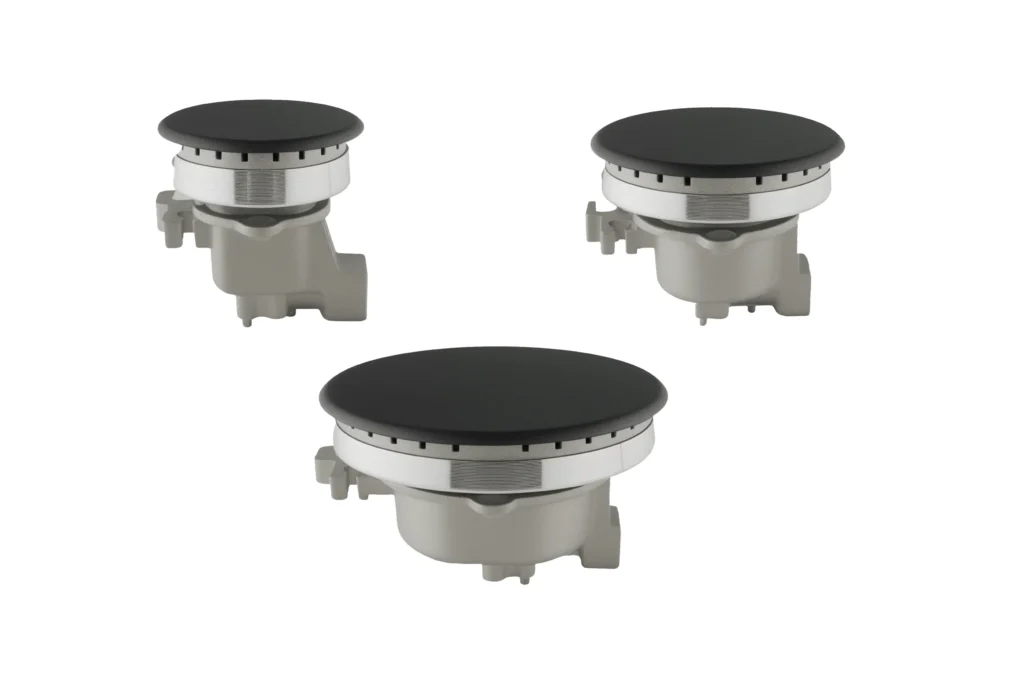

1. Gas Characteristics: LPG vs Natural Gas
The fundamental differences between LPG and natural gas directly influence burner design.
| Gas Type | Main Components | Calorific Value | Supply Pressure |
|---|---|---|---|
| LPG | Propane / Butane | High | High |
| Natural Gas | Methane | Lower | Low |
Because LPG has a higher energy density, burners must be engineered to control flame intensity and prevent overheating.
2. Injector (Nozzle) Diameter Differences
One of the most critical technical distinctions lies in the injector orifice size.
LPG Sabaf burners use smaller injector holes to limit gas flow
Natural gas burners require larger injector diameters to compensate for lower calorific value
Incorrect injector sizing can cause:
Yellow flames
Carbon buildup
Poor combustion efficiency
Safety risks
3. Air-to-Gas Mixing Ratio
Sabaf burners rely on precise primary air adjustment.
LPG burners require higher air mixing precision due to higher combustion energy
Natural gas burners allow larger air tolerance but need stable low-pressure control
The venturi structure and air intake geometry differ accordingly.
4. Flame Port Design and Distribution
Flame port configuration is optimized for different gas types:
LPG burners often feature smaller and more evenly distributed flame ports
Natural gas burners use larger flame ports to maintain flame continuity
This ensures:
Uniform heat distribution
Stable flame shape
Reduced flame lift or flame-out risk
5. Material Selection and Thermal Resistance
Because LPG combustion produces higher localized temperatures, Sabaf burners for LPG typically use:
Higher-grade aluminum alloys
Optimized cast iron compositions
Enhanced thermal fatigue resistance
Natural gas burners operate at relatively lower peak temperatures, allowing slightly broader material tolerance.
6. Ignition and Flame Stability Requirements
Ignition behavior differs between gas types:
LPG ignites faster and requires accurate spark positioning
Natural gas needs consistent gas flow for stable ignition
Sabaf burner ignition pin placement and flame detection design reflect these requirements.
7. Efficiency and Heat Output Control
Sabaf burners are tuned differently for thermal efficiency:
LPG burners focus on controlling excessive heat output
Natural gas burners focus on maximizing combustion efficiency
Both designs aim to meet energy efficiency regulations while maintaining cooking performance.
8. Safety Standards and Certification Compliance
Sabaf burners for LPG and natural gas must meet different regulatory standards:
EN 30 gas appliance standards
Country-specific gas pressure requirements
CE certification tests for flame stability and emissions
Using the wrong burner configuration can lead to certification failure.
9. OEM Compatibility and Conversion Considerations
While some Sabaf burner models are designed to support dual-gas conversion, this requires:
Injector replacement
Air shutter adjustment
Performance re-testing
Manufacturers should never assume plug-and-play compatibility.
Conclusion
The technical differences between Sabaf burners for LPG and natural gas extend far beyond injector size. Variations in air mixing, flame port design, materials, and ignition behavior are essential for safe and efficient operation.
For OEM gas stove manufacturers, understanding these distinctions helps avoid performance issues, certification risks, and after-sales problems. Whether sourcing original Sabaf burners or compatible OEM alternatives, gas type-specific design is critical.