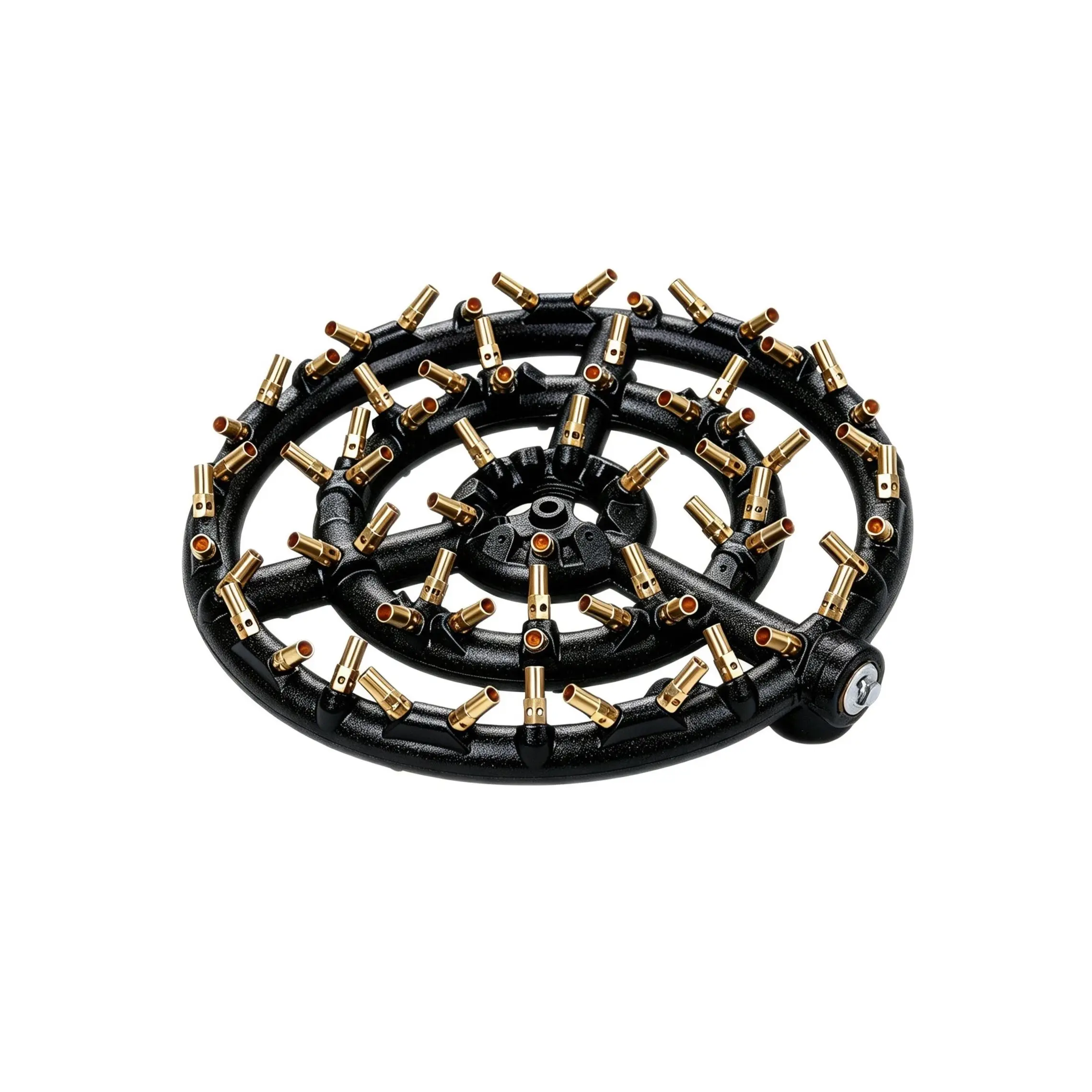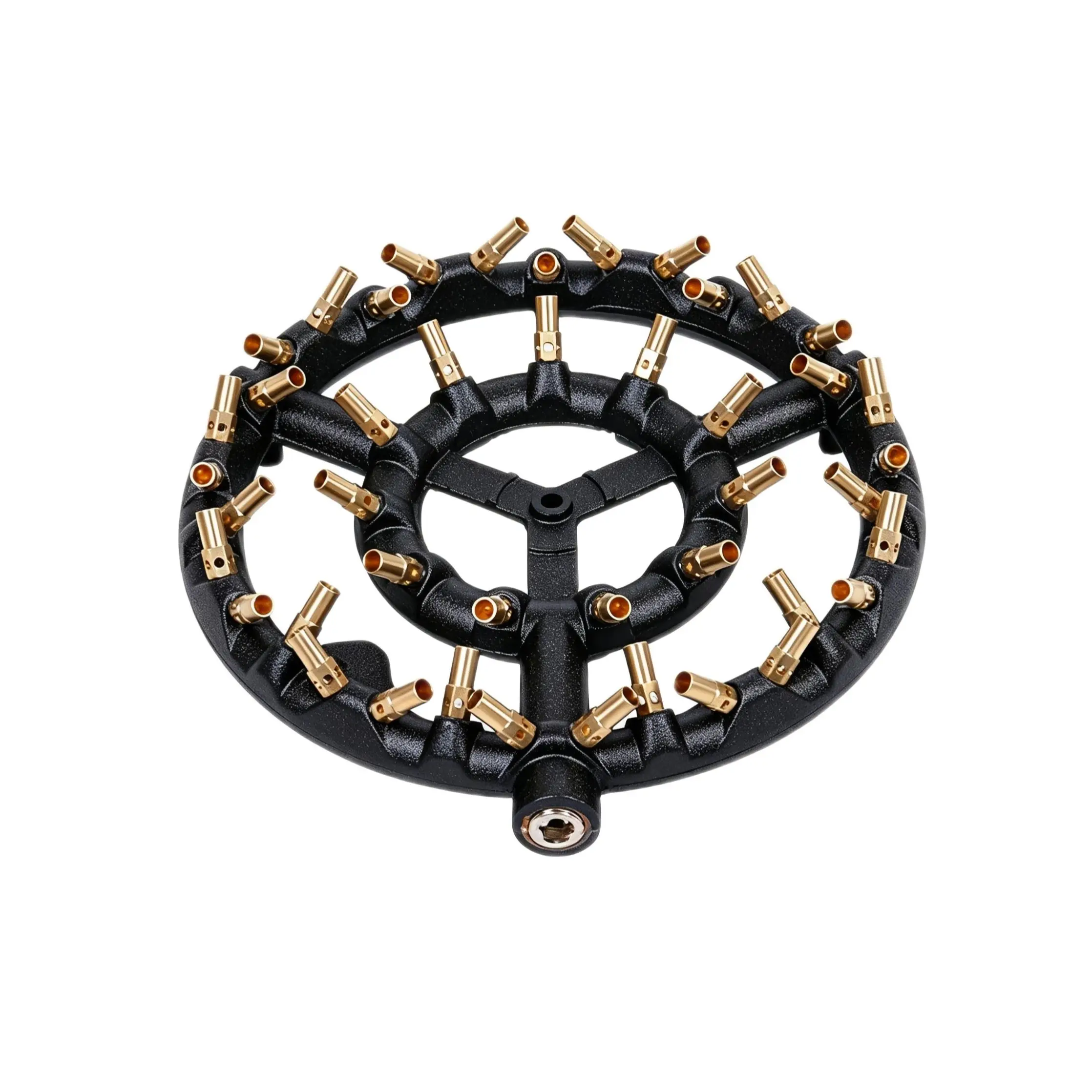
Sabaf Burner Explained: Structure, Materials, and Performance in Gas Cooktops
Sabaf burners are widely recognized in the global gas cooktop industry for their precise combustion performance, durability, and compliance with European safety standards. As a leading Italian burner technology supplier, Sabaf has set a benchmark for gas burner design used by many premium and mid-range stove manufacturers worldwide.
This article provides a technical explanation of Sabaf burners, focusing on their structure, materials, and performance, and explains why they are commonly referenced when evaluating OEM gas cooktop burner parts.

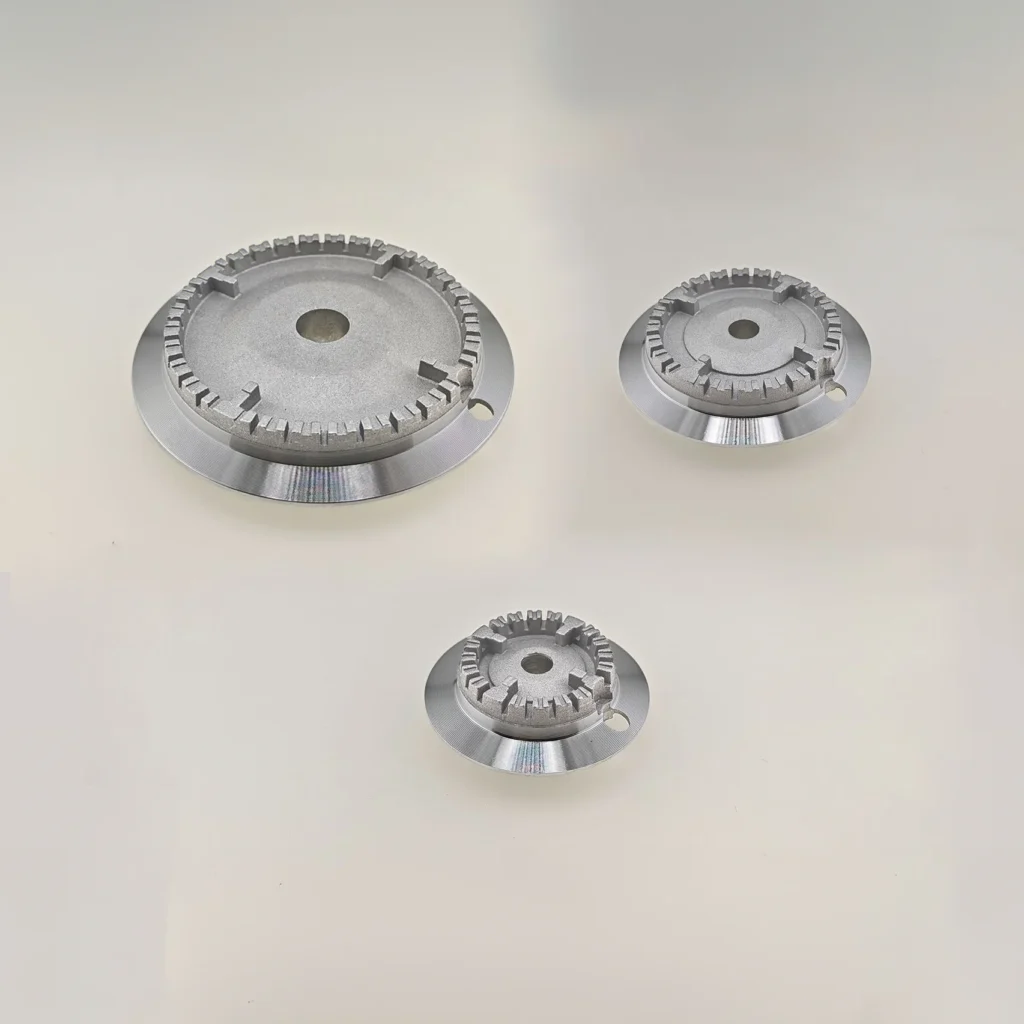
1. What Is a Sabaf Burner?
A Sabaf burner is a pre-engineered gas burner system designed for household and commercial gas cooktops. It integrates optimized air–gas mixing, stable flame ports, and durable materials to ensure consistent combustion across a wide range of gas pressures and usage conditions.
Sabaf burners are commonly used in:
Built-in gas cooktops
Freestanding gas stoves
Professional and semi-commercial cooking equipment
2. Sabaf Burner Structure and Key Components
A typical Sabaf burner consists of several precision-matched components:
2.1 Burner Head
Responsible for flame distribution
Designed with evenly spaced flame ports
Ensures uniform heat output and flame stability
2.2 Burner Base
Supports the burner head
Connects the venturi system to the cooktop body
Provides structural strength and thermal resistance
2.3 Venturi Tube (Air Intake System)
Controls primary air intake
Optimizes air–gas mixing ratio
Enhances combustion efficiency
2.4 Gas Injector (Nozzle)
Precisely calibrated orifice
Controls gas flow rate
Customized for LPG or natural gas
3. Materials Used in Sabaf Burners
Material selection is a critical factor in Sabaf burner performance and lifespan.
3.1 Cast Iron
High thermal stability
Excellent heat retention
Common grades comparable to GG20 / HT200
3.2 Aluminum Alloy
Lightweight design
Fast heat response
Often used for burner bases and venturi parts
3.3 Brass Components
Used for injectors
Corrosion-resistant
High machining accuracy
3.4 Surface Treatments
High-temperature coatings
Anti-corrosion plating
Wear-resistant finishes for long-term use
4. Performance Characteristics of Sabaf Burners
4.1 Flame Stability
Uniform flame distribution
Minimal flame lift or blow-off
Stable under varying gas pressures
4.2 Energy Efficiency
Optimized combustion chamber design
Reduced gas consumption
Consistent heat transfer to cookware
4.3 Noise and Ignition Performance
Low combustion noise
Reliable ignition response
Even flame propagation
5. Safety and Certification Compliance
Sabaf burners are engineered to meet:
EN 30 gas appliance standards
CE certification requirements
European and international gas safety regulations
Their standardized designs simplify certification processes for stove manufacturers.
6. Manufacturing Precision and Process Control
Sabaf burners are produced using:
Controlled casting processes
CNC machining for critical interfaces
Strict dimensional tolerances
Automated inspection systems
These processes ensure consistency across large production volumes.
7. Sabaf Burners in OEM Gas Cooktop Design
Many stove manufacturers reference Sabaf burners as:
A benchmark for flame performance
A structural template for OEM alternatives
A baseline for certification testing
As a result, numerous OEM gas cooktop burner parts are designed to be dimensionally compatible with Sabaf-style burners.
8. Comparison with OEM Gas Cooktop Burners
While Sabaf burners remain a premium solution, modern OEM burners can achieve:
Comparable flame stability
Similar material composition
Equivalent safety performance
More flexible customization options
This makes OEM gas burners attractive for cost-sensitive markets.
9. Application Scenarios
Sabaf burners are commonly selected for:
High-end European gas cooktops
Export-oriented appliance brands
Markets with strict safety certification requirements
10. Conclusion
Sabaf burners represent a well-engineered balance of structure, material quality, and combustion performance in gas cooktops. Their proven design, stable flame behavior, and regulatory compliance make them a trusted choice for stove manufacturers worldwide.
At the same time, understanding the structure and materials of Sabaf burners allows OEM manufacturers to develop cost-effective, compatible alternatives that meet similar performance and safety expectations.