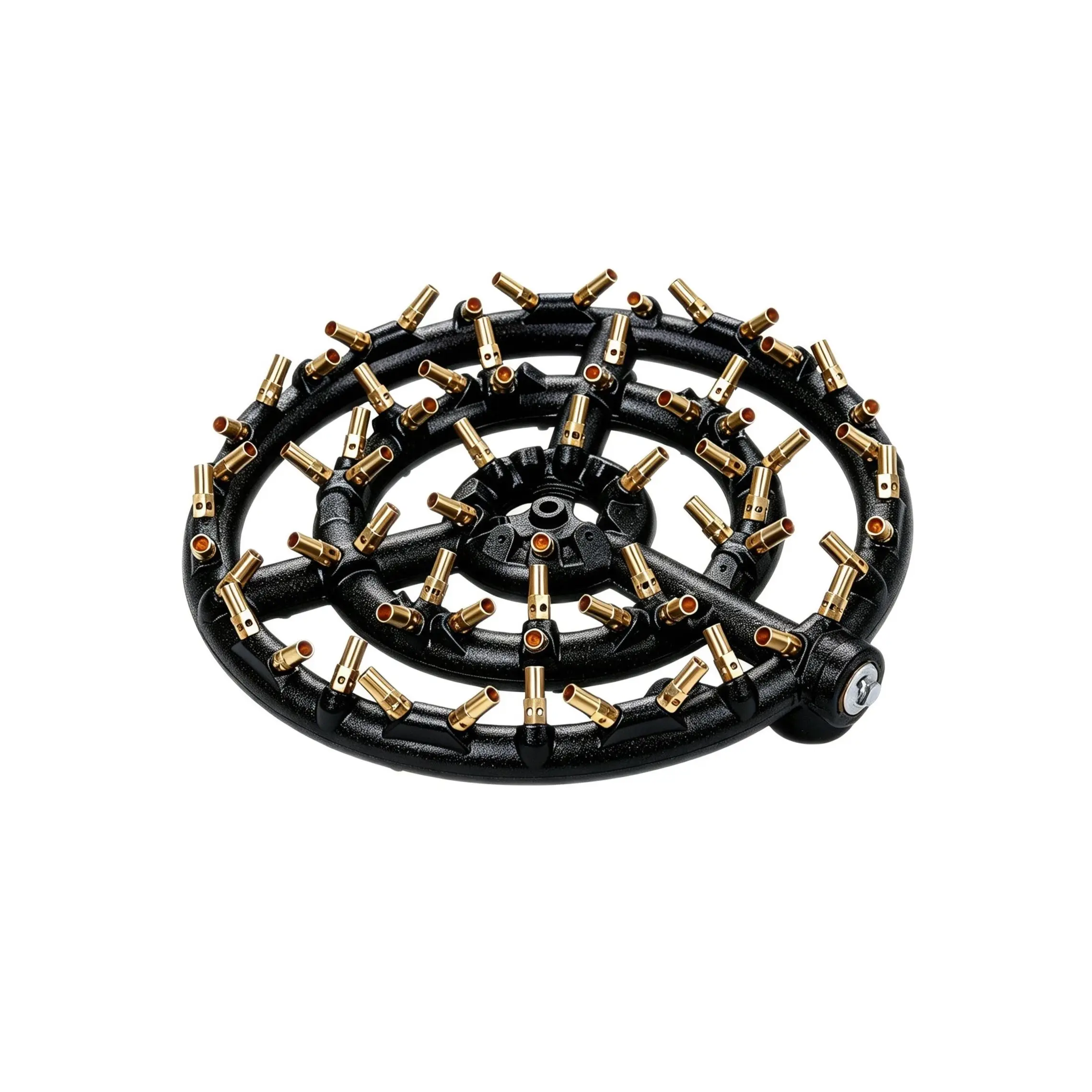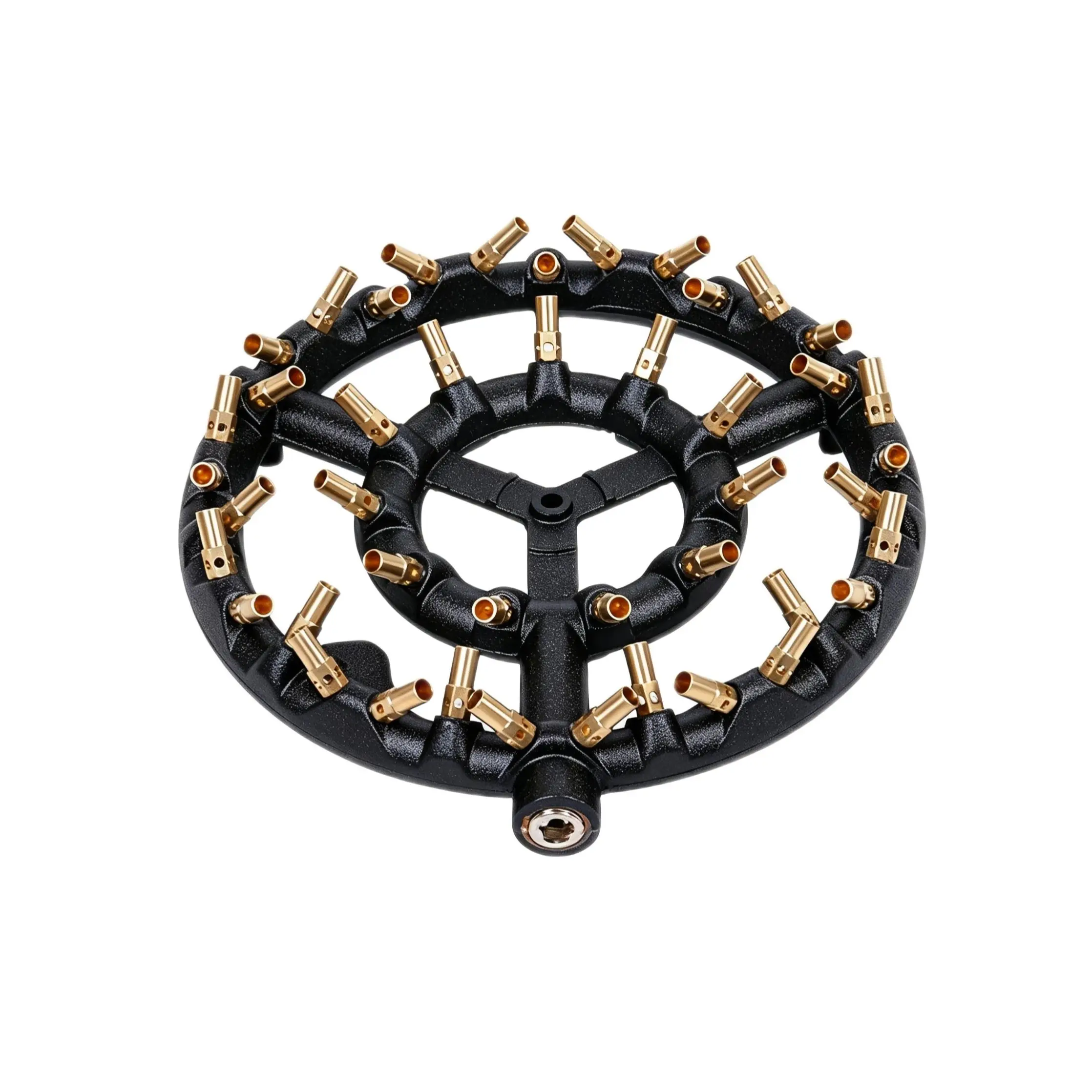
Sabaf Burner Compatible Parts: A Practical Guide for OEM Gas Stove Production
In the global gas stove industry, Sabaf burners are widely used as a reference standard due to their reliable performance, stable flame characteristics, and compliance with European safety regulations. As production costs and import duties continue to rise, many stove manufacturers are now seeking Sabaf burner compatible parts that can deliver comparable performance while offering greater cost flexibility.
This practical guide explains what Sabaf burner compatible parts are, how they are used in OEM gas stove production, and what manufacturers should consider when sourcing them.
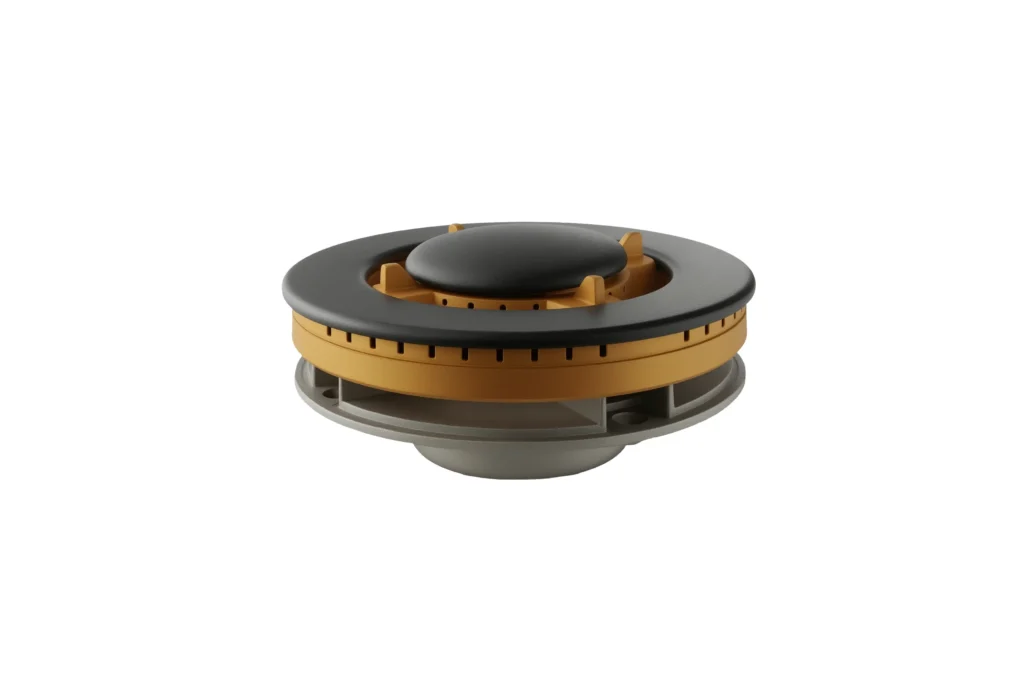

1. What Are Sabaf Burner Compatible Parts?
Sabaf burner compatible parts are OEM-manufactured components designed to match the structure, dimensions, and functional performance of original Sabaf burners. These parts are not branded as Sabaf but are engineered to:
Fit existing Sabaf-style burner assemblies
Maintain similar flame stability and heat output
Support CE and EN certification requirements
They are commonly used in both household and commercial gas cooktops.
2. Key Sabaf-Compatible Burner Components
2.1 Burner Head
Matches original flame port layout
Ensures uniform flame distribution
Available in aluminum alloy or cast iron
2.2 Burner Base
Compatible mounting interface
Designed for stable air-gas mixing
High dimensional consistency
2.3 Flame Ring / Flame Spreader
Controls secondary combustion
Improves flame stability at low gas pressure
Critical for energy efficiency
2.4 Venturi Tube and Air Intake Parts
Optimized air inlet diameter
Supports correct primary air ratio
Reduces flame lift and yellow flame issues
2.5 Gas Injector (Nozzle)
Customized for LPG or natural gas
Precision-machined brass
Ensures accurate gas flow control
3. Material Selection for Sabaf-Compatible Parts
Material choice directly affects burner durability and performance.
3.1 Aluminum Alloy (ADC12 / AlSi)
Lightweight and cost-effective
Fast thermal response
Commonly used for burner bases and heads
3.2 Cast Iron (GG20 / HT200)
Excellent heat resistance
Stable flame retention
Preferred for high-power or commercial burners
3.3 Brass and Steel Components
Used for injectors and fixing parts
Corrosion-resistant
High machining accuracy
4. Manufacturing Process and Quality Control
Reliable Sabaf-compatible burner parts require controlled production processes:
Precision casting (gravity, low-pressure, or die casting)
CNC machining for critical interfaces
Sandblasting or surface coating
Dimensional inspection and leak testing
Consistent tolerances are essential to ensure interchangeability with original Sabaf burners.
5. Performance and Safety Requirements
To be suitable for OEM gas stove production, compatible parts must meet:
Stable flame under varying gas pressures
Even heat distribution
Reliable ignition performance
Compliance with CE and EN 30 standards
Performance testing should be conducted using both LPG and natural gas where applicable.
6. Advantages of Using Sabaf-Compatible Parts in OEM Production
For gas stove manufacturers, Sabaf-compatible parts offer several benefits:
Reduced component costs
Flexible customization options
Shorter lead times
Easier sourcing for export markets
These advantages are especially important for manufacturers supplying cost-sensitive regions.
7. Common Application Scenarios
Sabaf burner compatible parts are widely used in:
Built-in gas cooktops
Freestanding gas stoves
Commercial kitchen equipment
Export-oriented OEM stove production
They are particularly suitable for manufacturers targeting Europe, the Middle East, and Central Asia.
8. How to Select a Reliable Supplier
When sourcing Sabaf-compatible burner parts, OEM manufacturers should evaluate:
Experience in gas burner production
Material grade transparency
Quality inspection standards
Certification support capability
Long-term cost stability
A qualified supplier should be able to provide samples and performance data upon request.
Conclusion
Sabaf burner compatible parts provide a practical and cost-effective solution for OEM gas stove production. By matching the structure, materials, and performance of original Sabaf burners, these components allow manufacturers to maintain flame stability and energy efficiency while improving cost control.
For stove manufacturers seeking reliable alternatives without compromising safety or performance, well-engineered Sabaf-compatible parts are an increasingly attractive choice in today’s competitive global market.