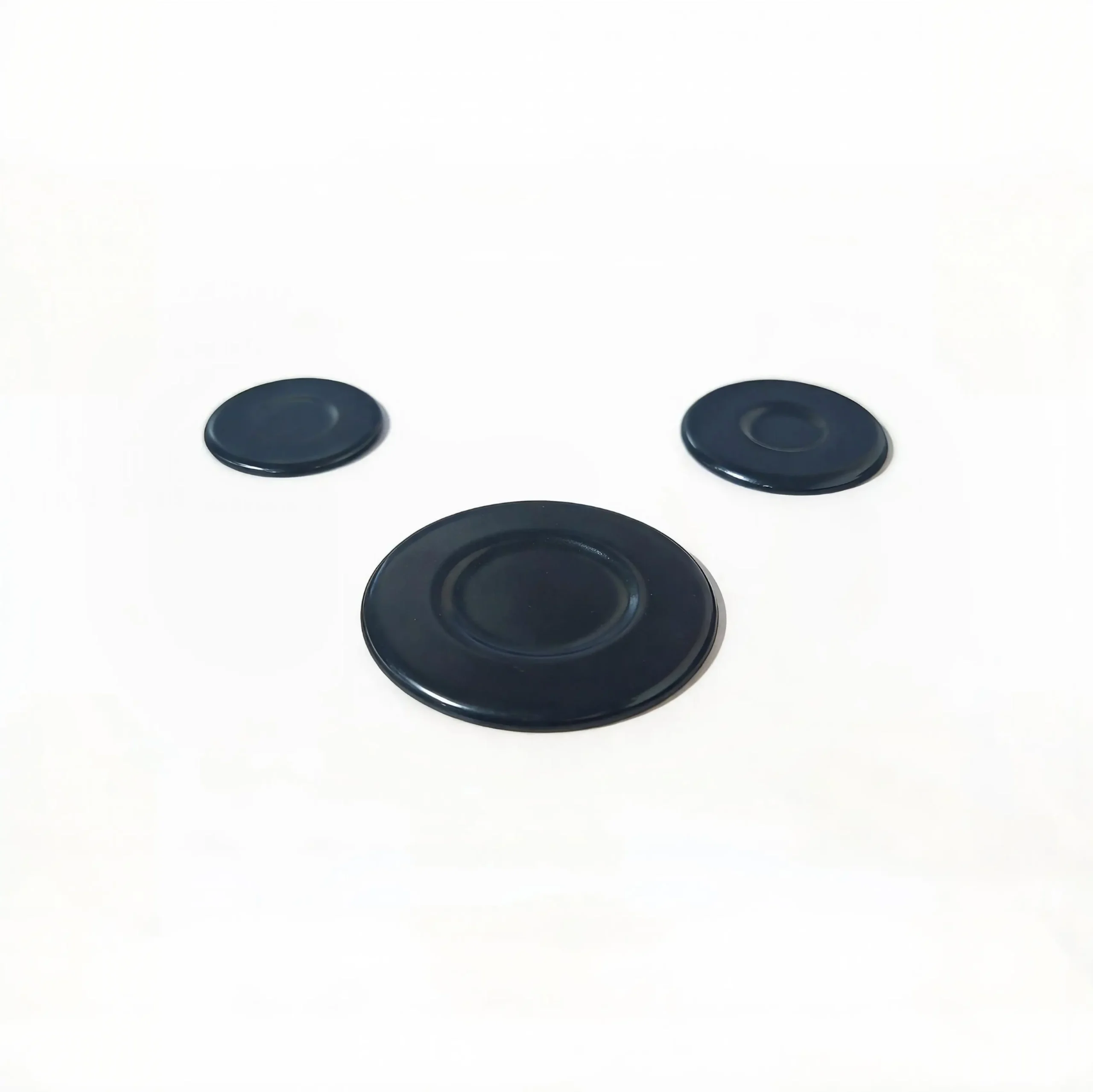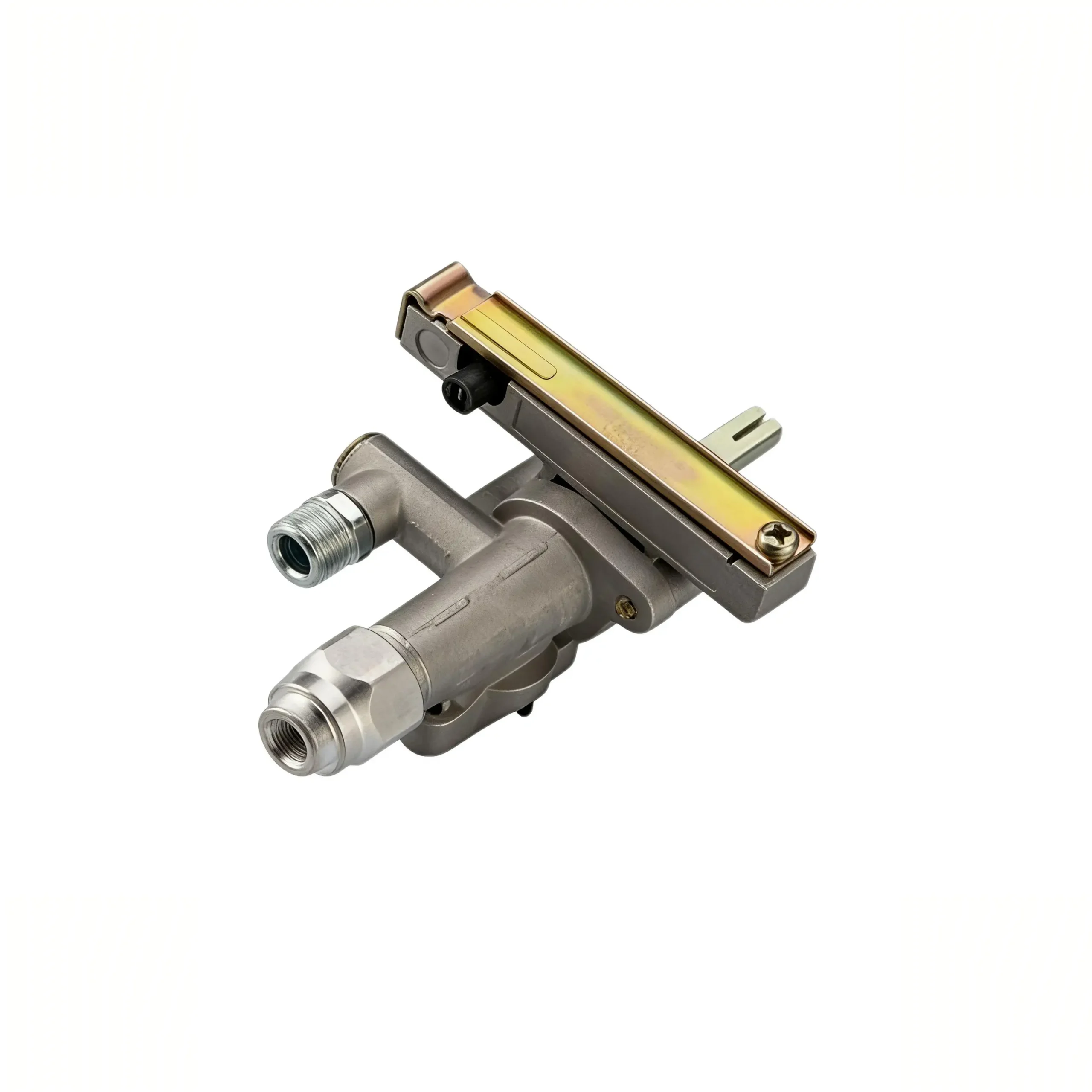
How to Choose Reliable Gas Stove Burner Parts for OEM Stove Production
Choosing reliable gas stove burner parts is a critical step in OEM stove production. Burner components directly affect flame stability, thermal efficiency, product lifespan, and compliance with international safety standards. For stove manufacturers targeting long-term cooperation and stable quality, selecting the right burner parts supplier is just as important as product design itself.
This guide explains how OEM manufacturers can evaluate and choose reliable gas stove burner parts for commercial and household stove production.


1. Understand the Role of Burner Parts in OEM Stove Performance
Gas stove burner parts are not just functional components — they determine how the entire stove performs in real cooking environments.
Key performance factors influenced by burner parts include:
Flame stability and uniformity
Heat output and thermal efficiency
Resistance to high temperatures and corrosion
Long-term durability under continuous use
For OEM production, unstable or low-quality burner parts often lead to customer complaints, certification failures, and costly after-sales issues.
2. Choose the Right Burner Material for Your Target Market
Cast Iron Burners for Commercial Applications
Cast iron burners are widely used in commercial gas stoves due to their excellent heat retention and structural strength. They are suitable for high-power burners and professional kitchens where long operating hours are required.
Key advantages:
High thermal mass
Strong mechanical strength
Stable flame under heavy cookware
Steel and Stainless Steel Burner Components
Steel flame rings and burner accessories are commonly used to balance cost and performance. For higher-end OEM stoves, stainless steel flame rings offer superior oxidation resistance and longer service life.
OEM buyers should always confirm:
Material grade (carbon steel, SUS 201, SUS 304)
Actual wall thickness
Manufacturing consistency
3. Pay Close Attention to Surface Treatment Technology
Surface treatment is often overlooked, but it plays a decisive role in burner lifespan.
Common surface treatments for gas stove burner parts include:
High-temperature inorganic coating
Heat-resistant powder coating
Stainless steel natural finish
For burner flame rings and high-temperature zones, standard zinc plating is not recommended due to poor heat resistance. OEM manufacturers should prioritize coatings specifically designed for burner applications.
Reliable suppliers should clearly explain:
Coating type
Heat resistance range
Corrosion protection performance
4. Evaluate Flame Port Design and Machining Accuracy
Flame port design directly affects combustion efficiency and gas distribution.
When evaluating burner parts, OEM manufacturers should check:
Uniform flame port diameter
Smooth inner walls without burrs
Accurate port spacing for even flame output
Poor flame port machining often results in uneven flames, noise, or incomplete combustion — issues that seriously impact product quality.
5. Confirm Compatibility with LPG and Natural Gas
Reliable gas stove burner parts should be adaptable to different gas types.
OEM buyers should verify:
Burner compatibility with LPG and Natural Gas
Nozzle options and gas flow calibration
Stable ignition performance under both gas conditions
Suppliers experienced in OEM projects usually provide technical support for gas conversion requirements.
6. Assess Supplier Manufacturing Capability, Not Just Price
Low prices often hide risks. For OEM stove production, supplier capability matters more than unit cost.
Key indicators of a reliable burner parts supplier include:
In-house mold development
Stable casting or stamping processes
Consistent quality control standards
Experience with export markets and OEM cooperation
A qualified supplier should be able to provide samples, technical drawings, and clear process explanations.
7. Check Compliance with International Standards
OEM gas stoves are often required to meet regional standards such as:
CE (Europe)
EN standards
Local gas appliance regulations
Burner parts must be designed with these requirements in mind. Choosing a supplier familiar with international compliance reduces certification risks and shortens development cycles.
8. Build Long-Term Cooperation Instead of One-Time Purchasing
For OEM manufacturers, reliable burner parts are not about a single order, but long-term stability.
A trustworthy supplier should offer:
Stable pricing structure
Consistent material sourcing
Engineering support for future models
Clear communication and documentation
Long-term cooperation helps OEM brands maintain consistent product quality and market reputation.
Conclusion
Selecting reliable gas stove burner parts is a strategic decision in OEM stove production. By focusing on material quality, surface treatment, flame port design, gas compatibility, and supplier capability, OEM manufacturers can significantly improve product performance and reduce long-term risks.
Investing in the right burner parts partner ensures stable production, satisfied customers, and sustainable growth in competitive stove markets.
📩 Looking for Gas Stove Burner Parts for LPG or Natural Gas?
We manufacture OEM gas stove burner parts tailored for LPG and natural gas stoves, offering customized designs, stable quality, and export-ready solutions.
Contact us to request technical details, samples, or quotations.
Email: jasonchenzs185@gmail.com
WhatsAPP: +1 2132728460