How to Choose Reliable Gas Cooktop Burner Parts for OEM Stove Production
Choosing reliable gas cooktop burner parts is a critical decision for OEM gas stove manufacturers. Burner components directly affect flame stability, thermal efficiency, safety compliance, and the overall lifespan of gas cooktops. Poor-quality burner parts often lead to unstable flames, uneven heating, customer complaints, and certification failures.
In this guide, we explain how OEM manufacturers can evaluate and select high-quality gas cooktop burner parts for long-term, stable production.

1. Understand the Role of Gas Cooktop Burner Parts in OEM Production
Gas cooktop burner parts are not just individual components; they are part of a complete combustion system. A standard burner assembly usually includes:
Burner base (burner body)
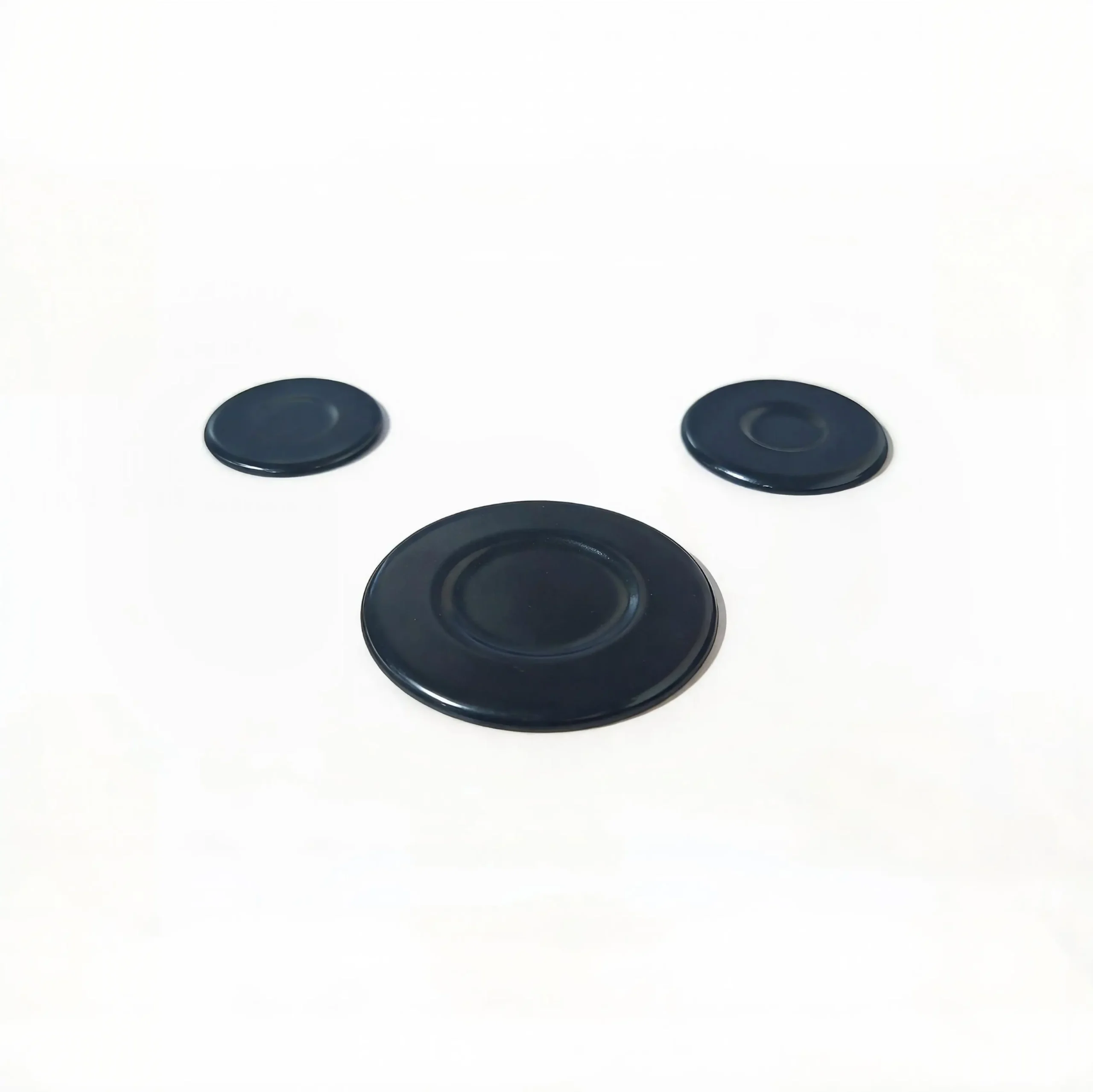
Burner cap
Flame ports
Venturi or air mixing structure
Ignition and flame distribution areas
For OEM stove production, these parts must work together precisely to ensure consistent gas flow, proper air mixing, and stable combustion.
2. Select the Right Material for Burner Parts
Material selection is one of the most important factors when choosing reliable gas cooktop burner parts.
Common Materials Used:
Gray cast iron (GG20 / GG25) – widely used for commercial and residential cooktops due to good heat resistance and machinability
Aluminum alloy – lightweight and corrosion-resistant, suitable for mid-range household cooktops
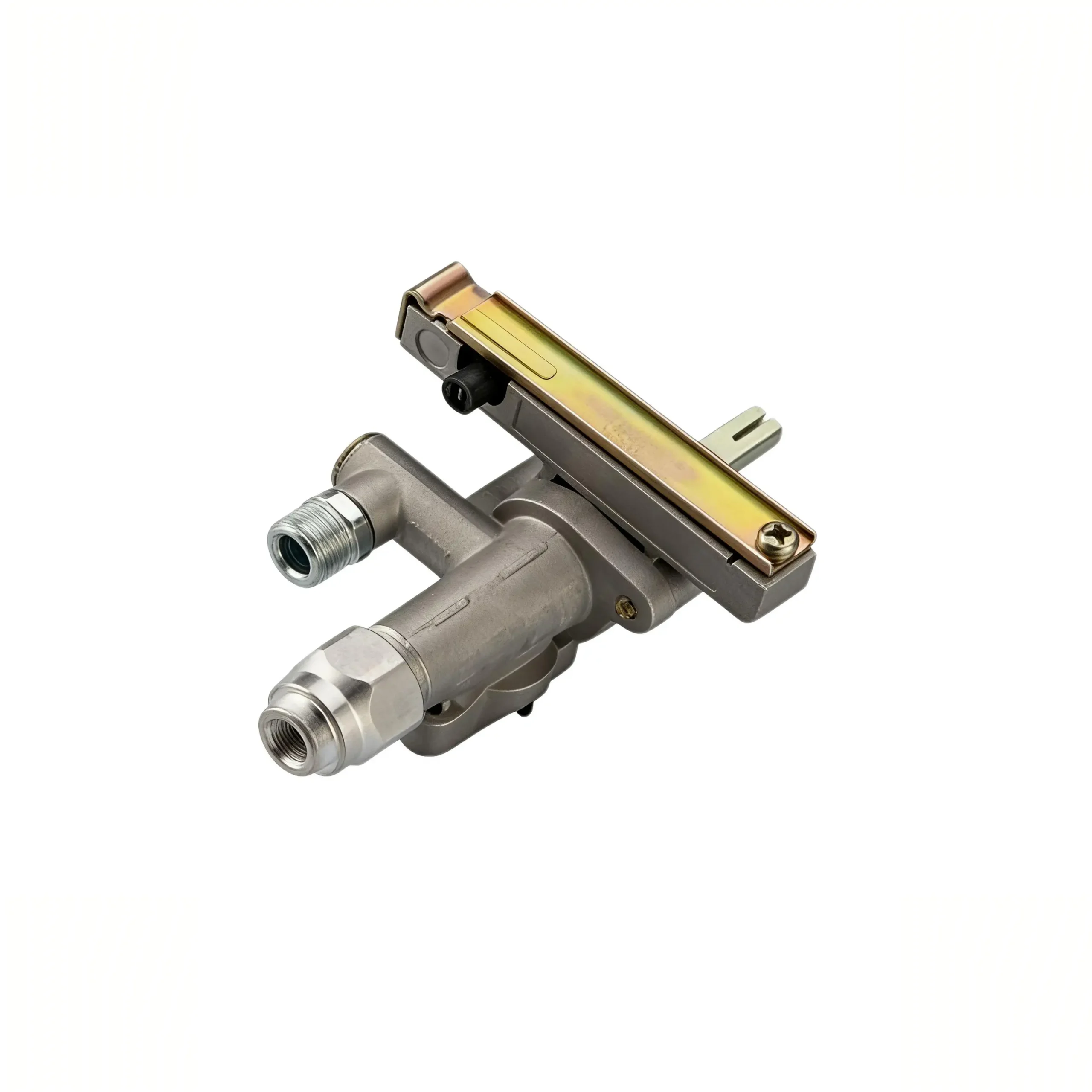
Brass or steel components – often used in specific burner structures or gas flow parts
High-quality OEM burner parts should:
Withstand continuous high temperatures
Resist thermal shock during frequent heating and cooling
Maintain dimensional stability over long-term use
3. Check Manufacturing Processes and Machining Accuracy
Reliable gas cooktop burner parts require strict manufacturing control. OEM manufacturers should pay attention to:
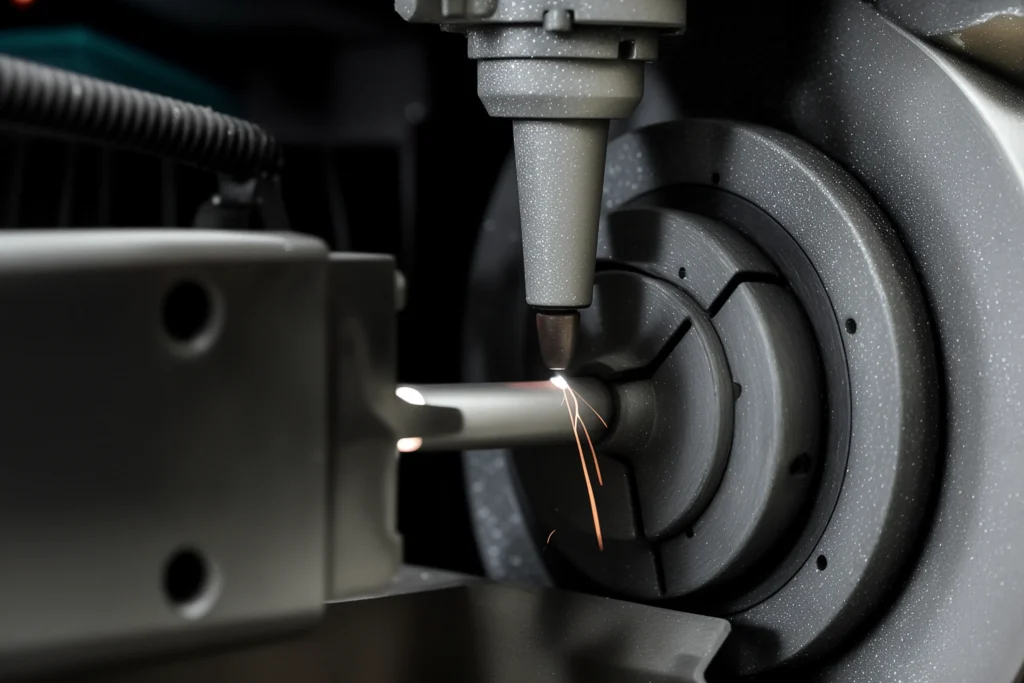
CNC machining accuracy for gas inlets and burner interfaces
Drilling precision for flame ports to ensure uniform flame distribution
Casting quality with minimal porosity and defects
Well-machined burner parts improve flame symmetry, reduce gas leakage risks, and ensure smooth assembly during stove production.
4. Evaluate Surface Treatment and Corrosion Resistance
Surface treatment plays a key role in durability and appearance. Common surface processes for gas cooktop burner parts include:
Shot blasting or sandblasting
High-temperature resistant coating
Zinc plating or heat-resistant paint (for non-flame-contact areas)
A reliable supplier should clearly explain:
Which surfaces are treated
Coating thickness
Temperature resistance limits
This ensures the burner maintains performance even after long-term exposure to heat, moisture, and kitchen grease.
5. Ensure Compatibility with Gas Types and Standards
OEM gas cooktops are often designed for different gas types, such as:
LPG (Liquefied Petroleum Gas)
Natural Gas (NG)
Reliable gas cooktop burner parts must be designed to:
Support correct gas pressure
Match gas nozzle specifications
Comply with CE, EN, or local safety standards
Improper burner design can lead to incomplete combustion, yellow flames, or excessive carbon deposits.
6. Focus on Consistency and Batch Stability
For OEM stove manufacturers, consistency is just as important as quality. A qualified burner parts supplier should provide:
Stable material sourcing
Consistent casting batches
Repeatable machining tolerances
Long-term mold and tooling management
This ensures that every production batch of gas cooktop burner parts performs the same, reducing assembly issues and warranty risks.
7. Assess Supplier Experience and OEM Capability
When selecting a burner parts supplier, OEM manufacturers should evaluate:
Experience in gas cooktop burner parts manufacturing
Ability to support custom designs and OEM drawings
Understanding of international market requirements
An experienced OEM supplier can help optimize burner structure, reduce cost, and improve overall stove performance.
8. Balance Cost with Long-Term Performance
Low prices may look attractive initially, but unreliable gas cooktop burner parts often result in higher costs later due to:
Production delays
Quality complaints
Certification failures
Increased after-sales service costs
OEM manufacturers should focus on total cost of ownership, not just unit price.
Conclusion
Choosing reliable gas cooktop burner parts is essential for successful OEM stove production. By focusing on material quality, manufacturing precision, surface treatment, gas compatibility, and supplier reliability, OEM manufacturers can build gas cooktops that deliver stable performance, safety compliance, and long-term customer satisfaction.
A well-chosen burner partner is not just a component supplier, but a key contributor to your brand’s quality and reputation.