How Gas Stove Burner Parts Affect Flame Stability and Efficiency
Introduction
Flame stability and thermal efficiency are two of the most important performance indicators of a gas stove. At the core of both factors are the gas stove burner parts. For stove manufacturers and OEM suppliers, understanding how burner parts influence flame behavior and energy efficiency is essential for producing reliable, safe, and competitive gas stoves.
This article explains how different gas stove burner parts impact flame stability and efficiency, and what manufacturers should consider when designing or sourcing burner components.
What Is Flame Stability in Gas Stoves?
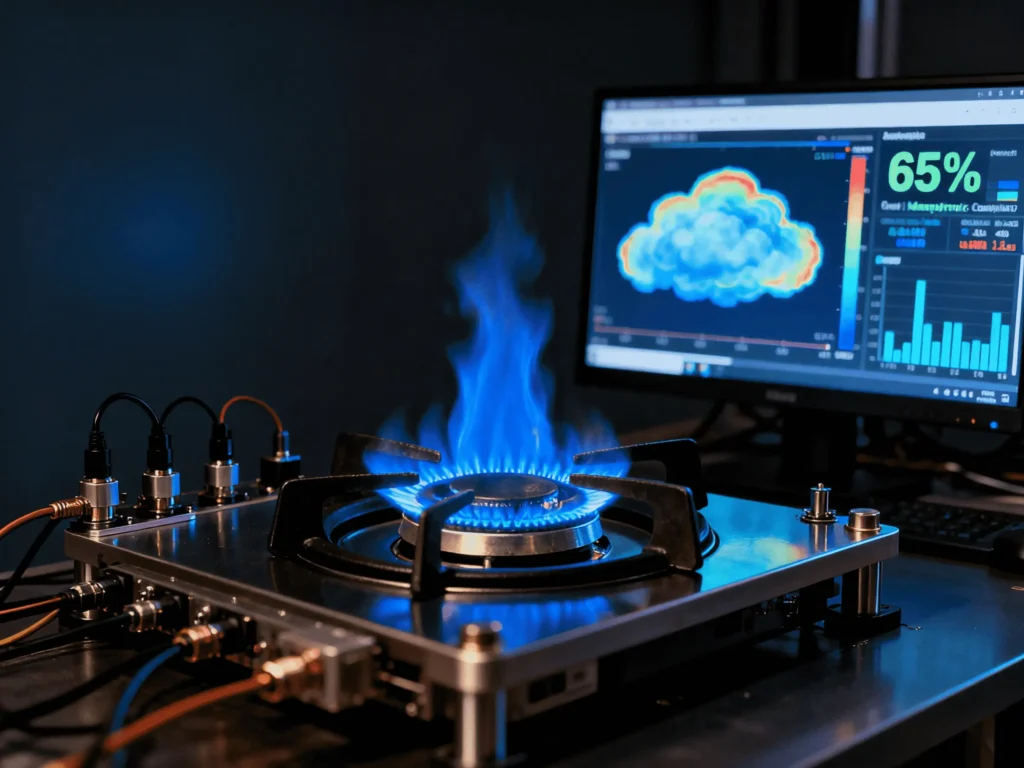
Flame stability refers to the ability of a gas stove flame to remain consistent, evenly distributed, and securely attached to the burner ports during operation.
An unstable flame may result in:
Flame lifting or floating
Yellow or uneven flames
Flame extinguishing during cooking
Increased safety risks
Well-designed gas stove burner parts ensure stable combustion under different gas pressures and cooking conditions.
Key Gas Stove Burner Parts That Influence Flame Stability
1. Burner Head Design
The burner head is the main structure where combustion occurs. Its design directly affects flame shape and distribution.
Key factors include:
Number and size of flame ports
Uniformity of port spacing
Surface flatness and precision
Poorly machined burner heads often cause uneven flames or flame lifting, especially under high gas pressure.
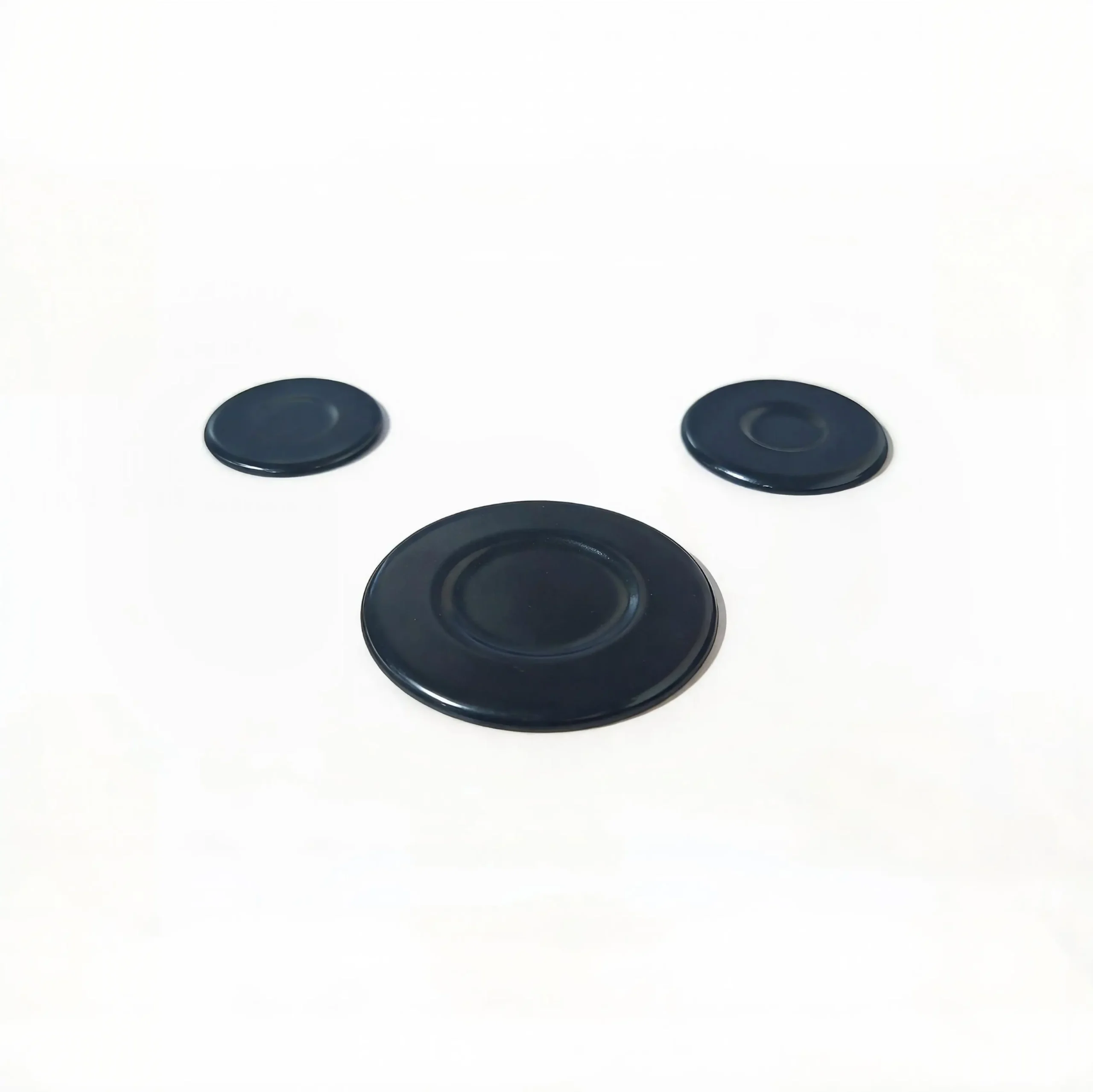
2. Burner Cap and Flame Distribution
The burner cap helps control how flames spread across the burner surface.
A properly designed burner cap:
Ensures even flame distribution
Reduces local overheating
Prevents flame instability caused by airflow
In commercial gas stoves, heavy-duty burner caps are especially important for maintaining stable flames during long operating hours.
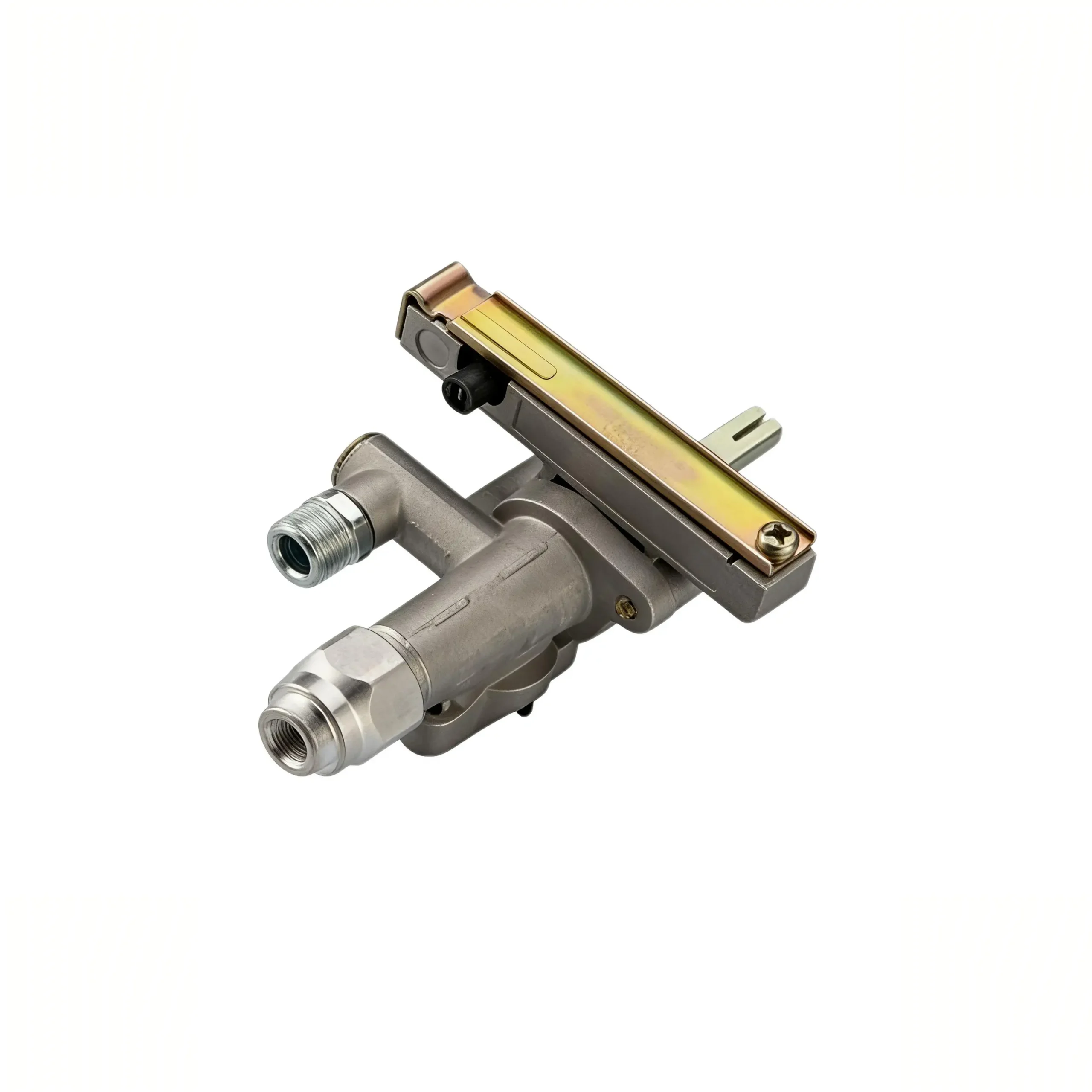
3. Injector (Gas Nozzle) Accuracy
The injector controls the amount of gas entering the burner system. Even small deviations in injector diameter can significantly affect flame stability.
Too much gas → unstable or noisy flames
Too little gas → weak or extinguishing flames
Precision drilling and strict quality control are essential for consistent injector performance.
4. Venturi and Air Mixing System
The venturi system draws primary air into the gas stream before ignition. Proper air-gas mixing is critical for stable combustion.
Efficient venturi design:
Prevents yellow flames
Improves flame attachment
Reduces carbon monoxide emissions
How Gas Stove Burner Parts Affect Thermal Efficiency
Thermal efficiency refers to how effectively a gas stove converts fuel energy into usable heat for cooking.
High-quality gas stove burner parts improve efficiency by:
Promoting complete combustion
Reducing heat loss
Ensuring even heat distribution
Inefficient burner parts often result in higher gas consumption and slower cooking performance.
Material Selection and Efficiency
Aluminum Gas Stove Burner Parts
Aluminum burners offer good heat conductivity and fast heat transfer, making them suitable for household stoves and mass production.
Efficiency advantages:
Rapid heat response
Lightweight structure
Cost-effective manufacturing
Brass Gas Stove Burner Parts
Brass burners are known for durability and stable combustion, especially in high-end or commercial applications.
Efficiency advantages:
Consistent flame performance
Long-term dimensional stability
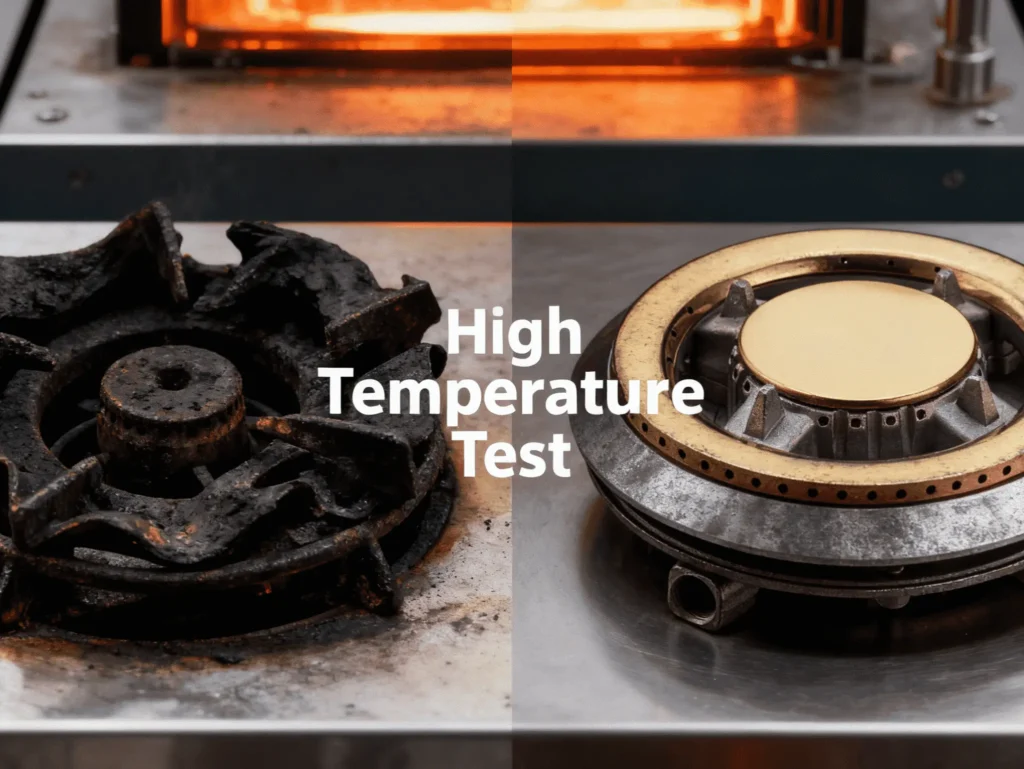
Better resistance to thermal deformation
LPG vs Natural Gas: Design Considerations
Gas type has a major influence on burner performance.
| Factor | LPG | Natural Gas |
|---|---|---|
| Gas pressure | Higher | Lower |
| Injector size | Smaller | Larger |
| Flame behavior | Strong & compact | Softer & longer |
Gas stove burner parts must be specifically designed for the intended gas type to achieve optimal flame stability and efficiency.
Common Problems Caused by Poor Burner Parts
Manufacturers may encounter the following issues when using low-quality burner parts:
Uneven flame distribution
Increased gas consumption
Excessive noise during operation
Difficulty passing safety certification
These problems often lead to higher defect rates and customer complaints.
OEM Considerations for Stove Manufacturers
When sourcing gas stove burner parts, manufacturers should evaluate:
Design consistency across batches
Material quality and casting precision
Compatibility with ignition systems and gas valves
Experience with export and certification requirements
Reliable OEM burner suppliers help manufacturers achieve stable performance and long-term cost control.
Safety and Certification Impact
Stable flames and high efficiency are essential for meeting safety standards such as CE and EN regulations.
Well-designed gas stove burner parts contribute to:
Lower emission levels
Reduced risk of flame failure
Improved certification success rates
Conclusion
Gas stove burner parts play a decisive role in flame stability and thermal efficiency. From burner head design and injector accuracy to material selection and air mixing structure, every detail affects stove performance and safety.
For stove manufacturers, choosing high-quality gas stove burner parts from experienced OEM suppliers is essential to achieving reliable combustion, energy efficiency, and long-term product success.
📩 Looking for High-Performance Gas Stove Burner Parts?
We manufacture gas stove burner parts designed for stable flames, high efficiency, and OEM applications for both LPG and natural gas stoves.
Contact us for technical specifications, samples, or a quotation.
Email:jasonchenzs185@gmail.com
WhatsApp: +1 2132728460