The True Cost of a Gas Burner Head: Why Quality Beats Price Every Time for OEMs
The Deceptive Allure of the Unit Price
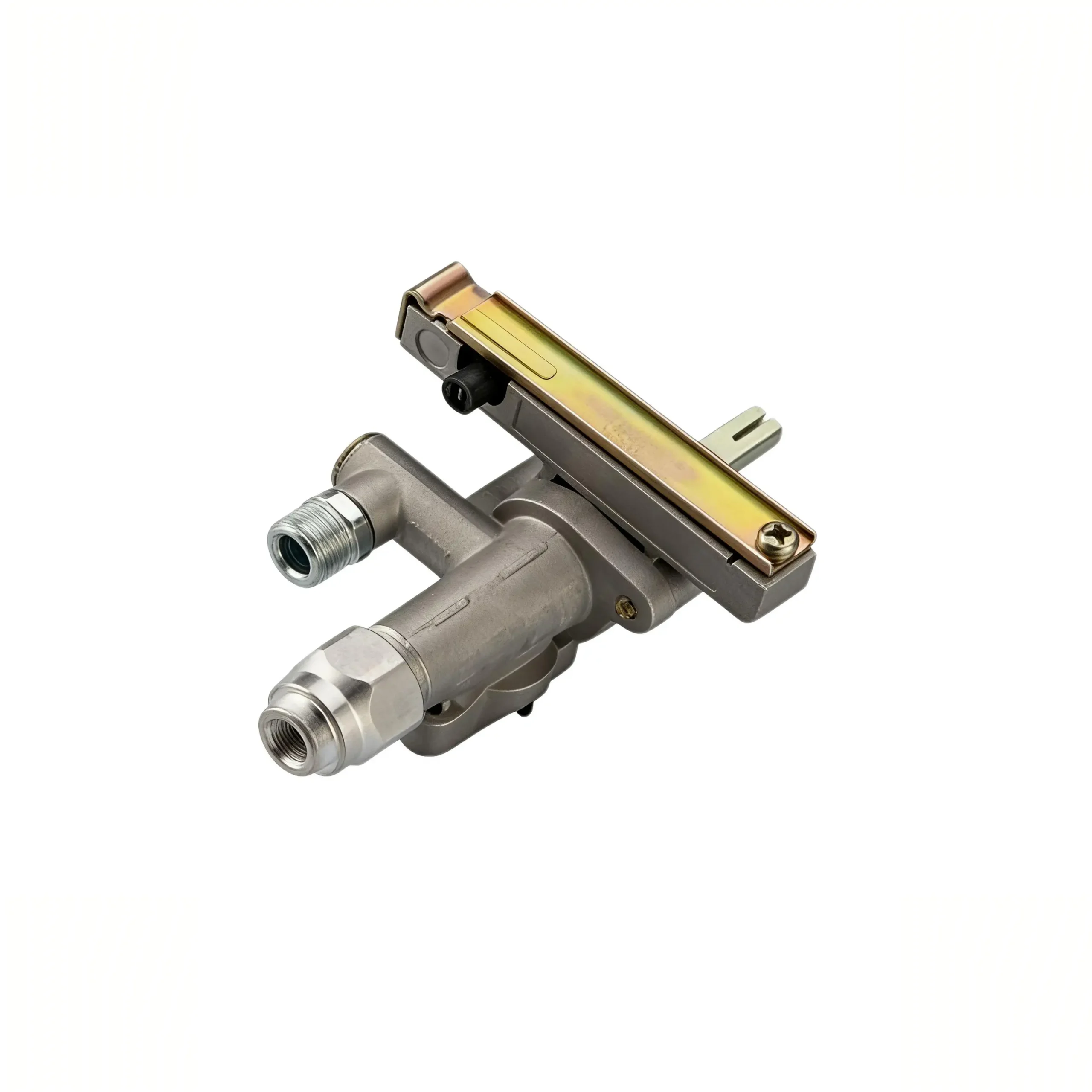
In the competitive world of gas cooker manufacturing, procurement decisions often gravitate toward the most compelling unit price. For Original Equipment Manufacturers (OEMs), the upfront savings on a low-cost gas burner head can appear as an immediate boost to profit margins. However, this initial calculation is dangerously incomplete. The true cost of a critical component like a burner head—or its pivotal sub-component, the Vulcan burner cap is a multifaceted equation spanning production lines, warranty departments, brand reputation, and long-term market share. This analysis reveals why for discerning OEMs, investing in engineering quality and manufacturing precision isn’t an expense; it’s the most strategic cost-saving and brand-building decision available.

1. The Visible Costs: Warranty, Rework, and Line Downtime
Poor-quality burner heads fail predictably, generating immediate, measurable financial losses.
Warranty Claim Avalanche: A burner head suffering from inconsistent casting (leading to clogged ports) or substandard alloy (causing warping) will manifest in the field as yellow flames, uneven heating, or failure to ignite. Each incident triggers a warranty claim. The cost includes not just the replacement part and gas stove accessories kit, but also the service call logistics, technician labor, and administrative overhead. A single-digit percentage saving on the component cost can be erased by one warranty service visit.
Factory Rework and Scrap: Inferior components have higher dimensional variance. A burner cap that doesn’t seat perfectly may require manual inspection and adjustment on the assembly line, slowing throughput. Out-of-spec parts may be discovered during functional testing, causing scrap and forcing line stoppages to troubleshoot and replace the faulty batch. This disrupts just-in-time production schedules and increases labor costs per unit.
Compliance Recertification Risk: If a batch of low-quality gas burners fails to meet the certified emissions or safety standards (e.g., EN 30, ANSI Z21.1) in post-market surveillance, the OEM may face a costly and brand-damaging recall, followed by the expensive process of re-qualifying the appliance with a new component.
2. The Hidden Costs: Performance, Efficiency, and Brand Equity
The deeper costs are less visible on a balance sheet but ultimately more decisive for the business.
Compromised Core Performance: The gas burner is the “engine” of the cooker. A cheaply made burner head with poor flame stability and inefficient combustion directly undermines the appliance’s primary function: cooking. This results in:
Higher Energy Consumption: Inefficient burners waste gas, causing the appliance to fail increasingly stringent energy efficiency regulations (like EU Ecodesign) and perform poorly in competitive comparisons, hurting sales.
Inferior User Experience: Slow boil times, uneven simmering, and noisy flames lead to customer dissatisfaction. In the age of online reviews, a pattern of complaints about “weak flames” or “uneven heating” on a specific model can permanently sink its sales potential.
Erosion of Brand Premium and Loyalty: An OEM invests millions in building a brand associated with reliability, innovation, and quality. A single, persistent component failure like a warping burner cap that becomes a known issue among consumers shatters that perception. Customers do not blame the anonymous parts supplier; they blame the brand on the gas cooker. Regaining lost trust is exponentially more expensive than the marginal cost of a high-quality burner head from the outset.
Stifled Innovation: Low-cost suppliers typically offer standardized, dated designs. Partnering with a quality-focused manufacturer that invests in R&D—exemplified by advanced components like a precision-engineered Vulcan burner cap gives OEMs access to innovation: better flame designs for wok cooking, easier-to-clean surfaces, or alloys that enable new form factors. This drives product differentiation and allows for commanding higher price points.
3. The Quality Dividend: How Premium Components Pay for Themselves
Investing in a high-quality gas burner head from a trusted manufacturer generates a positive return across the product lifecycle.
| Cost Area | Low-Quality Burner Head Impact | High-Quality Burner Head (e.g., with Vulcan Cap) Dividend |
|---|---|---|
| Procurement | Low unit price | Slightly higher unit price, but total cost reduction. |
| Production | Line slowdowns, rework, scrap. | Smooth assembly, perfect fit, zero defect PPM (Parts Per Million). |
| Performance | High variance, inefficiency, poor UX. | Consistent efficiency, superior cooking performance, positive reviews. |
| After-Sales | High warranty claim rate and cost. | Drastically reduced warranty claims and service costs. |
| Brand Value | Erodes trust, supports a “discount” image. | Reinforces premium positioning, builds loyalty, enables innovation. |
Supply Chain Stability and Partnership: Quality-oriented manufacturers are not just vendors; they are engineering partners. They provide consistent supply, full material traceability, and collaborate on solving design challenges. They stand behind their gas stove accessories and components with technical support and reliability data, reducing the OEM’s operational risk.
Future-Proofing: As global efficiency and emissions standards tighten, an OEM already using top-tier, certified gas burners is ahead of the curve. There is no need for a frantic, costly re-engineering project to meet new regulations; the foundation is already secure.
4. Case in Point: The Vulcan Burner Cap as a Metaphor for Value
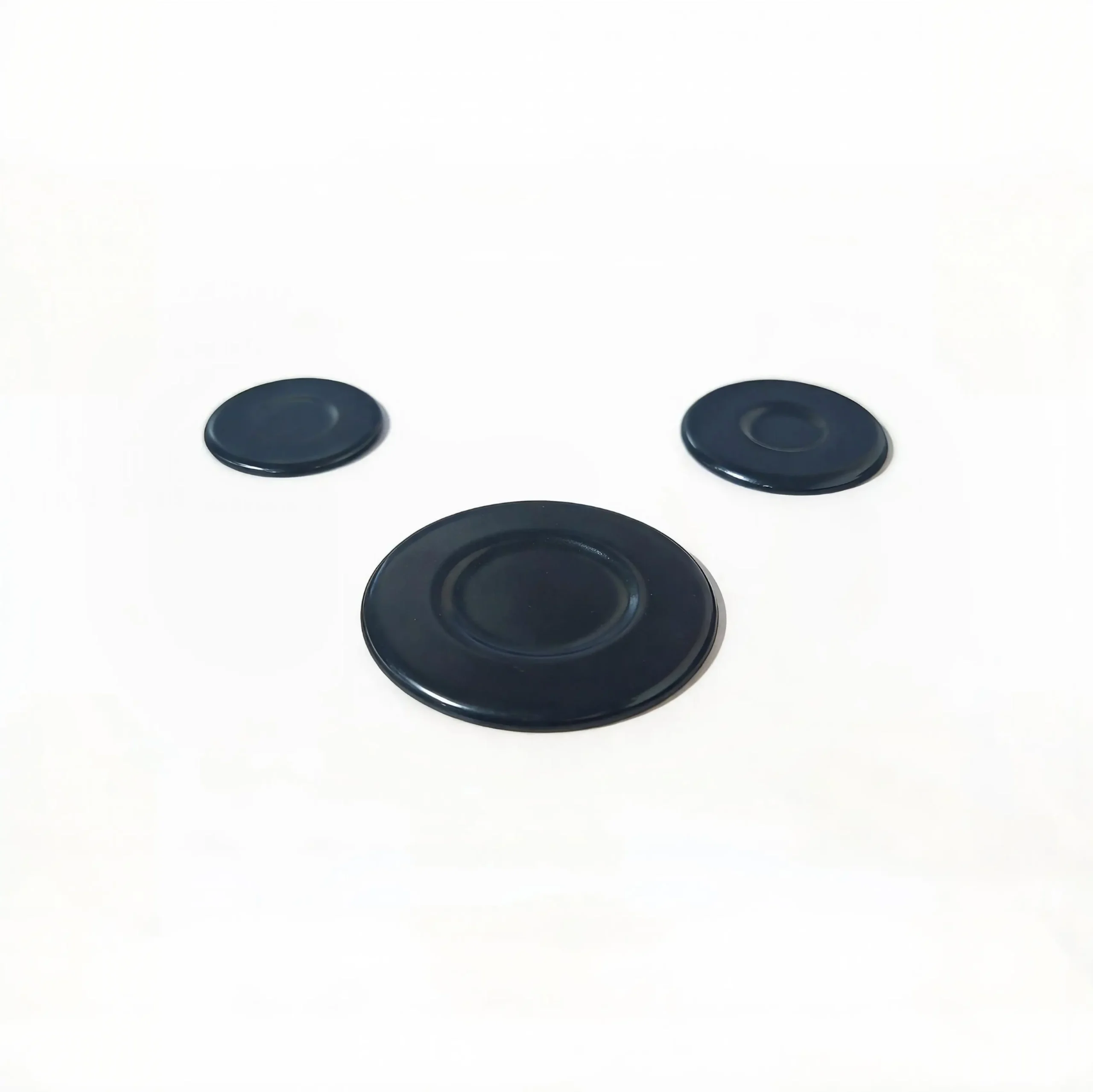
The Vulcan burner cap is not merely a part; it is a manifestation of the quality philosophy. Its value proposition illustrates the core argument:
Precision Engineering: Its ports are perfectly formed and deburred, ensuring optimal, quiet, and stable flames from the first use to the ten-thousandth. This consistency is impossible with low-tolerance casting.
Superior Material: Made from a dedicated, heat-resistant alloy, it resists warping and corrosion, maintaining its shape and function for the lifetime of the appliance. This directly prevents the most common field failure modes.
Integrated Design: It is designed as part of a system, ensuring perfect alignment with the burner base. This eliminates assembly issues and guarantees published performance metrics are achieved in every unit.
For the OEM, specifying this cap means eliminating a universe of potential problems, from manufacturing hiccups to negative customer reviews about flame quality. Its higher price is not a cost but an insurance policy and a performance enhancer.
Conclusion: Redefining “Cost” as Total Lifecycle Value
For the strategic OEM, the critical calculation shifts from Unit Price to Total Lifecycle Cost. The cheap gas burner head is a Trojan horse, introducing hidden expenses in warranty, reputation management, and missed market opportunities. It locks the appliance into mediocrity.
Conversely, the decision to source high-quality gas burners and components like the Vulcan burner cap is an investment in operational smoothness, product excellence, and brand strength. It pays dividends through seamless production, delighted customers, minimal after-sales burdens, and the freedom to innovate. In the long-term battle for market leadership in the gas cooker industry, true cost efficiency is achieved not by buying the cheapest parts, but by partnering with suppliers who share a commitment to engineering integrity. Quality doesn’t cost; it pays—every single time.