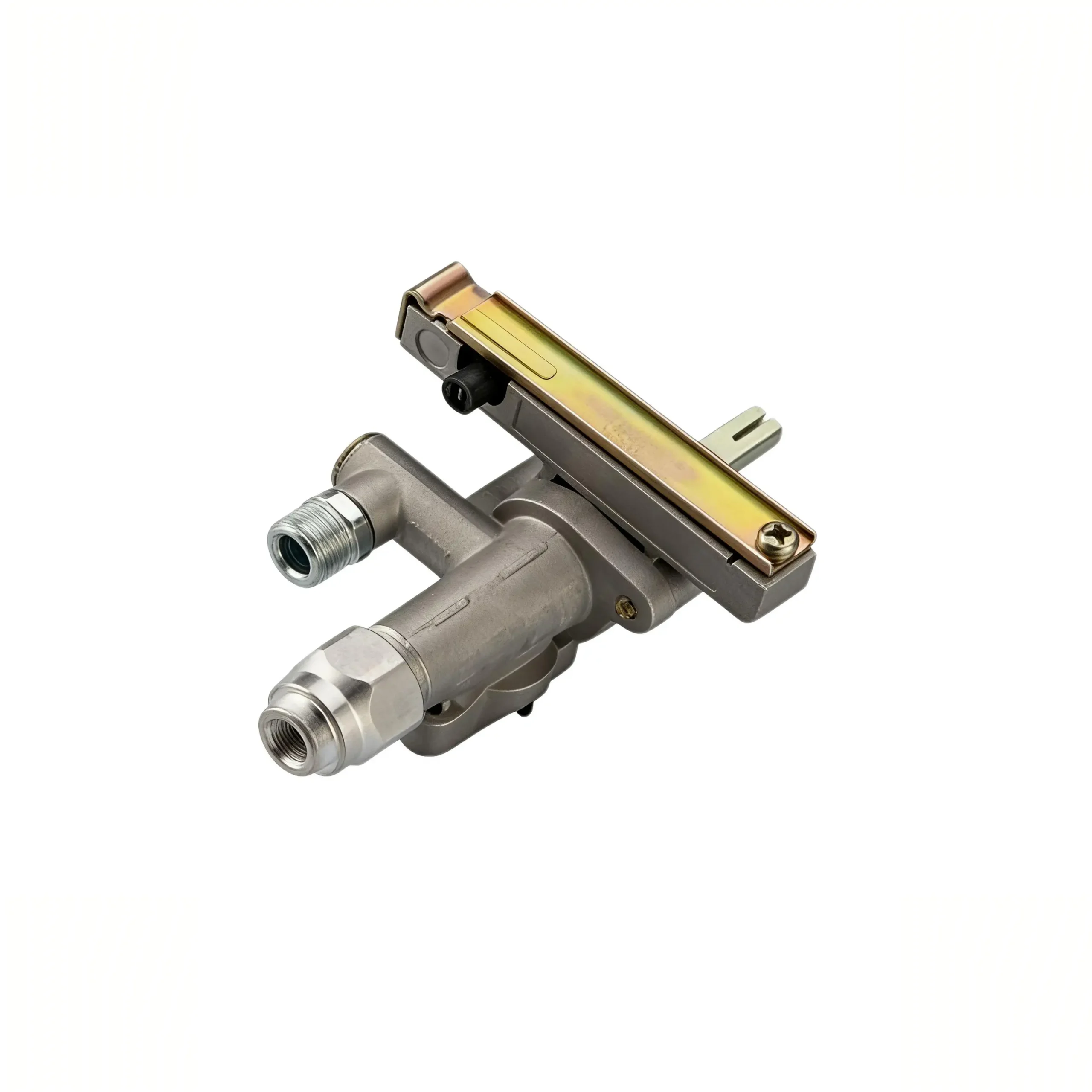
Gas Stove Burner Parts Manufacturing Process: From Raw Material to Finished Burner
Introduction
The manufacturing process of gas stove burner parts plays a critical role in determining burner performance, durability, and safety. For stove manufacturers and OEM buyers, understanding how burner parts are produced—from raw material selection to final inspection—helps ensure consistent quality and long-term reliability.
This article provides a step-by-step overview of the gas stove burner parts manufacturing process, explaining how professional manufacturers transform raw materials into finished burners suitable for residential and commercial gas stoves.


Step 1: Raw Material Selection
The quality of gas stove burner parts starts with the right raw materials. Common materials include:
Cast iron for burner bodies
Carbon steel or stainless steel for flame rings and caps
Brass or alloy steel for gas injectors
Material selection is based on heat resistance, mechanical strength, corrosion resistance, and cost efficiency. Reputable manufacturers source certified materials to ensure consistent chemical composition and performance.
Step 2: Casting or Forming of Burner Bodies
Cast Iron Burner Manufacturing
For heavy-duty and commercial burners, cast iron is widely used. The process includes:
Sand casting or shell molding
Controlled pouring to avoid internal porosity
Cooling and shakeout
Rough surface cleaning
Proper casting techniques ensure uniform wall thickness and structural stability under high temperatures.
Steel Burner Component Forming
Steel burner parts are typically produced through:
Sheet metal stamping
Deep drawing
Laser cutting or punching
These processes provide precise dimensions and efficient mass production.
Step 3: Machining and Precision Processing
After casting or forming, burner parts undergo machining operations such as:
CNC turning and milling
Drilling of flame ports
Threading for gas connections
Precision machining ensures accurate gas flow, proper flame distribution, and compatibility with OEM stove designs.
Step 4: Surface Treatment and Coating
Surface treatment improves durability and appearance while protecting burner parts from corrosion and oxidation. Common surface treatments include:
High-temperature heat-resistant coating
Enamel coating
Electroplating (zinc or nickel, where applicable)
Anti-rust oil treatment
For cast iron burners, heat-resistant black coatings are commonly used to withstand continuous thermal cycling.
Step 5: Assembly of Burner Components
Individual parts are assembled into a complete burner unit, including:
Burner body
Flame ring or burner cap
Gas injector and mixing chamber
Correct assembly ensures proper air-gas mixing and stable combustion performance.
Step 6: Quality Inspection and Testing
Quality control is a critical stage in burner manufacturing. Inspections typically include:
Dimensional measurement
Visual surface inspection
Gas flow and pressure testing
Flame stability and ignition testing
Only burners that meet internal quality standards and customer specifications are approved for shipment.
Step 7: Packaging and Delivery
Finished gas stove burner parts are carefully packed to prevent damage during transportation. Packaging methods vary based on:
Product weight and size
Export requirements
Customer labeling and branding needs
Export-oriented manufacturers often provide customized packaging solutions for OEM clients.
Importance of a Controlled Manufacturing Process
A standardized manufacturing process ensures:
Consistent product quality
Reduced defect rates
Stable long-term supply
Easier OEM customization
For stove manufacturers, choosing a supplier with a transparent and well-controlled production process reduces sourcing risks.
Conclusion
The gas stove burner parts manufacturing process involves multiple precise steps, from raw material selection to final testing. Each stage directly affects burner performance, safety, and lifespan. For OEM stove manufacturers, partnering with an experienced burner parts manufacturer ensures reliable quality, cost efficiency, and long-term cooperation.