Gas Stove Burner Parts for Stove Manufacturers: Specifications and OEM Options
Introduction
For stove manufacturers, gas stove burner parts are among the most critical components that determine flame performance, energy efficiency, safety, and product lifespan. Whether producing residential gas stoves or commercial cooking equipment, choosing the right burner parts—and the right OEM supplier—directly affects product quality and market competitiveness.
This article provides a complete overview of gas stove burner parts specifications, common materials, structural options, and OEM customization solutions designed specifically for stove manufacturers.


What Are Gas Stove Burner Parts?
Gas stove burner parts are the core assemblies responsible for gas distribution, ignition, and flame control. In a complete burner system, these parts ensure stable combustion for LPG or natural gas while maintaining safety and durability under high temperatures.
Typical gas stove burner parts include:
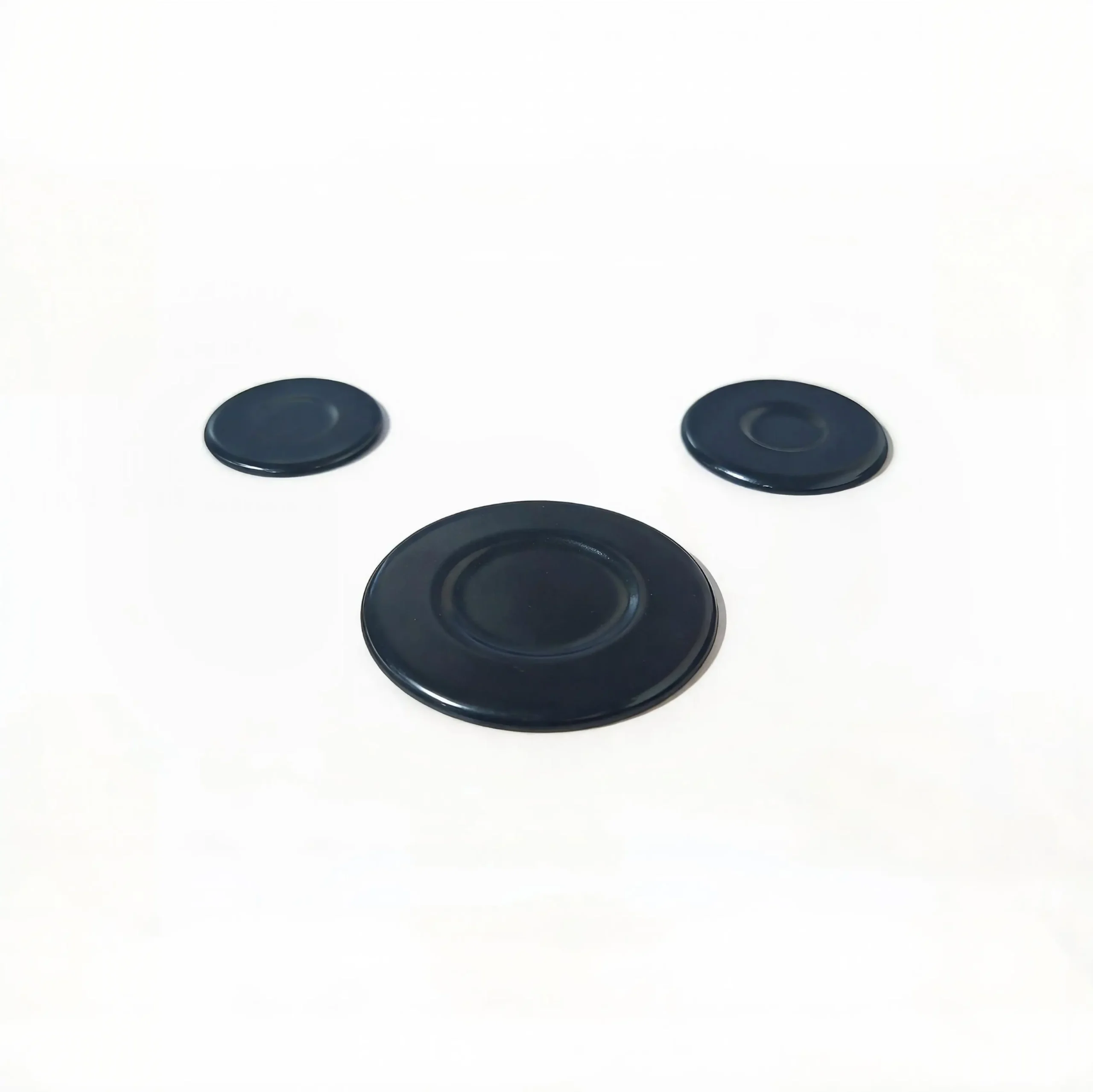
Burner head / burner cap
Burner base
Flame port ring
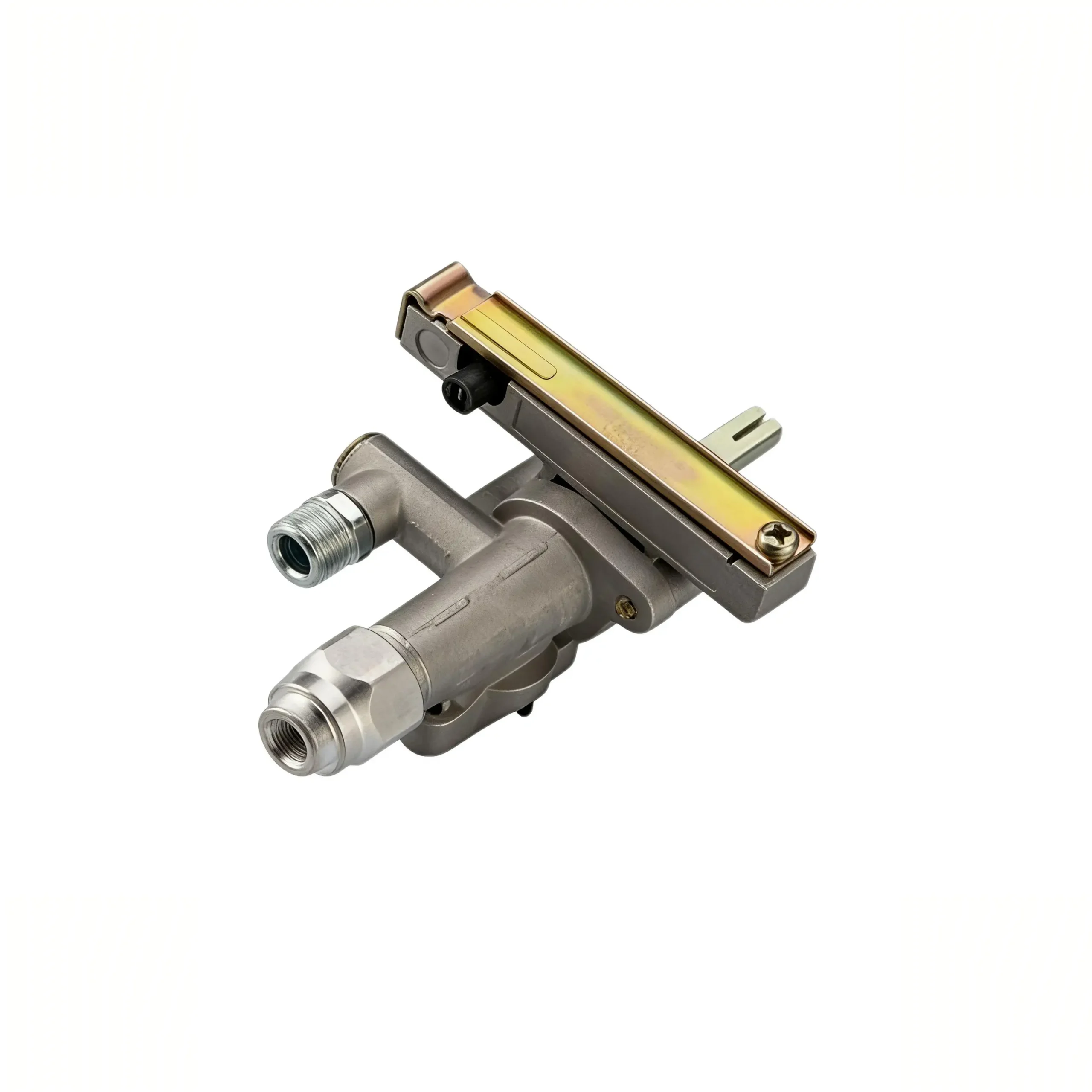
Gas injector (nozzle)
Mixing tube (venturi)
Ignition interface area
Each component must meet strict dimensional and material standards to ensure consistent flame output and compatibility with stove designs.
Key Specifications for Gas Stove Burner Parts
When sourcing gas stove burner parts for OEM production, manufacturers should evaluate the following specifications:
1. Material Options
Common materials used in gas stove burner parts include:
Cast iron – excellent heat resistance, ideal for commercial stoves
Steel (galvanized or coated) – cost-effective and widely used
Aluminum alloy – lightweight with good thermal conductivity
Brass – often used for injectors due to precision machining
Material selection impacts durability, corrosion resistance, and manufacturing cost.
2. Flame Port Design
Flame hole size, quantity, and distribution affect:
Flame stability
Heat uniformity
Gas efficiency
Noise level during operation
OEM burner parts can be customized with single-ring, double-ring, or multi-ring flame port designs based on cooking performance requirements.
3. Gas Type Compatibility
Burner parts must be optimized for different gas sources:
LPG burners: smaller injector diameter, higher gas pressure
Natural gas burners: larger injector diameter, lower pressure
Professional OEM suppliers provide burner parts designed specifically for LPG or natural gas applications.
4. Heat Output and Power Rating
Gas stove burner parts are typically rated by thermal output (kW or BTU). Manufacturers should ensure burner specifications align with:
Target cooking performance
Energy efficiency regulations
Local market standards
OEM Options for Stove Manufacturers
One of the biggest advantages of working with a professional gas stove burner parts manufacturer is access to flexible OEM solutions.
1. Custom Dimensions and Designs
OEM suppliers can customize:
Burner diameter and height
Flame ring structure
Gas inlet position
Compatibility with existing stove molds
This ensures seamless integration into your stove models.
2. Branding and Packaging
OEM services may include:
Laser marking or logo stamping
Customized packaging for bulk shipment
Private labeling for international markets
3. Mold Development Support
For new stove models, experienced OEM suppliers can assist with:
Mold design optimization
Cost reduction strategies
Sample testing and revisions
This is especially important for long-term stove manufacturing projects.
4. Quality Control and Testing
Reliable OEM gas stove burner parts suppliers provide:
Gas leakage testing
Flame stability testing
Dimensional inspection
Material composition verification
Consistent quality is essential for large-scale stove production.
How to Choose a Reliable Gas Stove Burner Parts Supplier
Stove manufacturers should evaluate suppliers based on:
Experience in OEM burner parts manufacturing
Ability to meet international standards
Stable production capacity
Customization flexibility
Clear communication and technical support
A long-term OEM partnership helps reduce costs, improve product consistency, and shorten development cycles.
Conclusion
Choosing the right gas stove burner parts for stove manufacturers is not just about price—it’s about performance, safety, and long-term reliability. By focusing on precise specifications, suitable materials, and professional OEM options, stove manufacturers can build competitive products that meet global market demands.
Working with an experienced OEM supplier ensures that every burner part contributes to better flame control, higher efficiency, and stronger brand reputation.