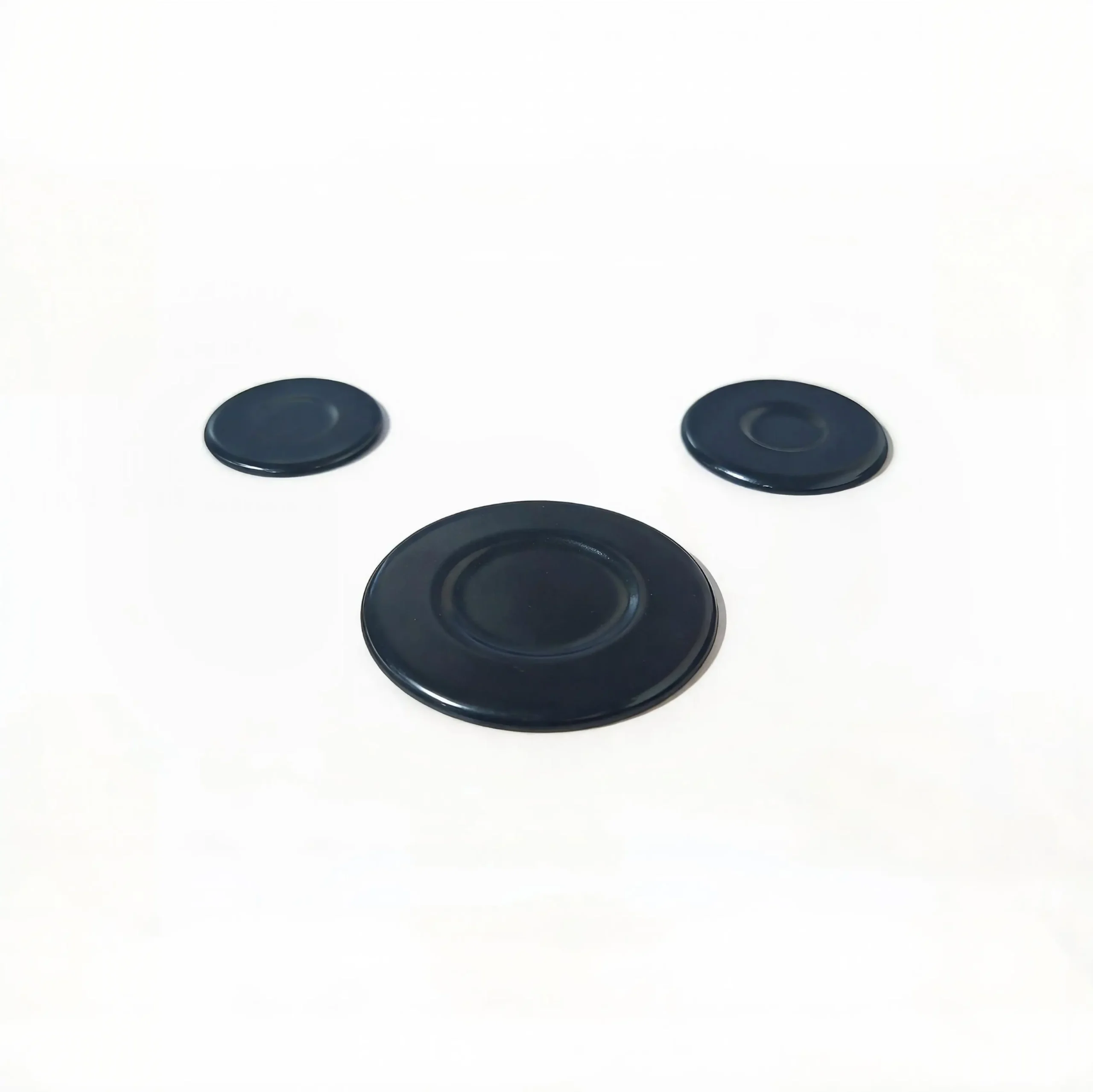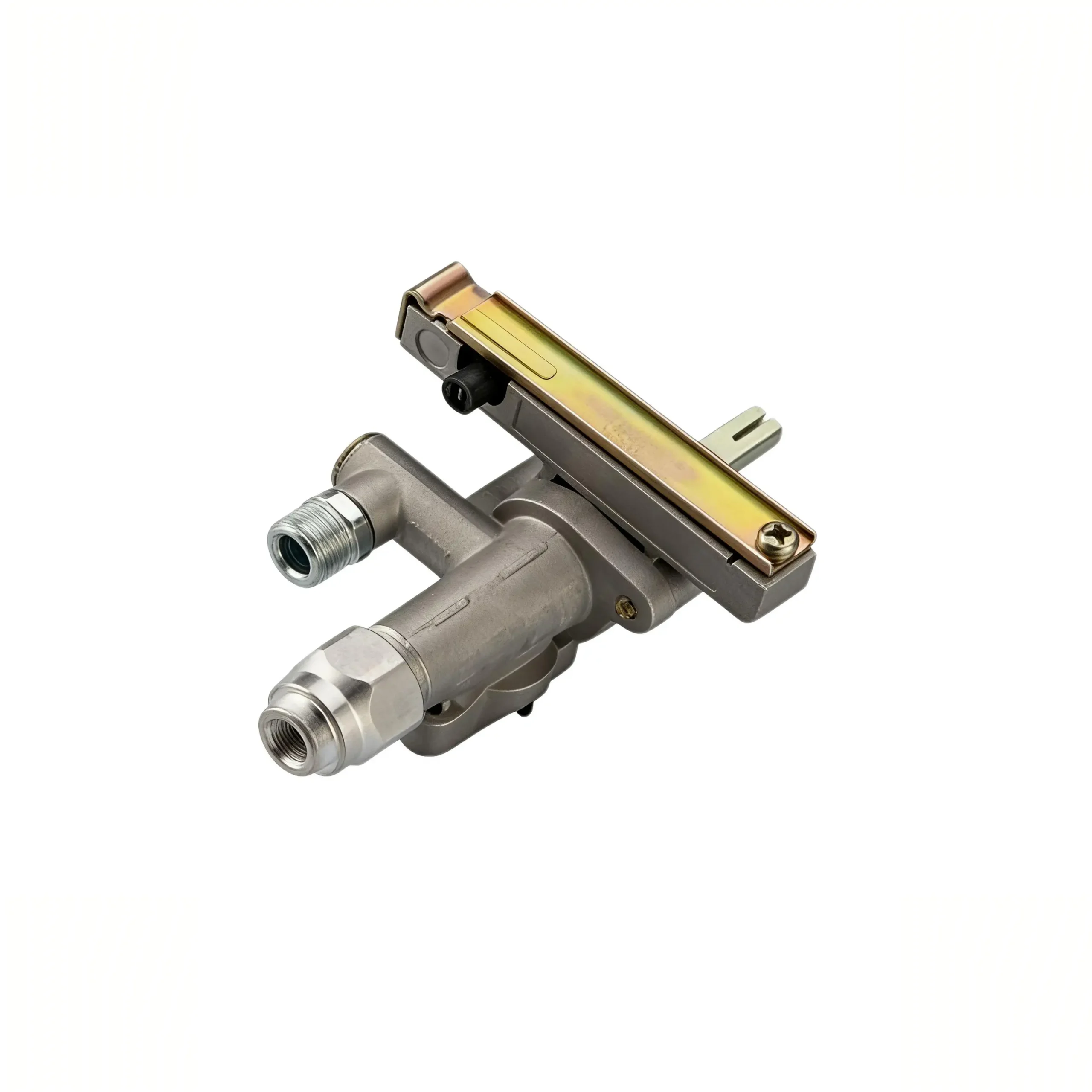
Gas Stove Burner Parts for LPG and Natural Gas: Key Differences
Introduction
Gas stove burner parts must be precisely designed according to the type of gas used. LPG and natural gas differ significantly in pressure, calorific value, and combustion characteristics. For stove manufacturers and OEM suppliers, understanding these differences is essential to ensure flame stability, safety compliance, and energy efficiency.
This article explains the key differences between gas stove burner parts for LPG and natural gas, focusing on design, materials, and application requirements.


Understanding LPG and Natural Gas Characteristics
LPG (Liquefied Petroleum Gas)
LPG typically consists of propane or butane and is supplied at relatively higher pressure. It has a higher calorific value and produces a stronger flame.
Key characteristics of LPG:
Higher gas pressure
Strong and compact flame
Requires precise gas flow control
Natural Gas
Natural gas is mainly composed of methane and is supplied at lower pressure through pipeline systems. The flame is generally softer and longer.
Key characteristics of natural gas:
Lower gas pressure
Lower calorific value per unit volume
Requires optimized air-gas mixing
Key Differences in Gas Stove Burner Parts Design
1. Injector (Nozzle) Size
The injector controls the amount of gas entering the burner system and is one of the most critical differences between LPG and natural gas burner parts.
| Gas Type | Injector Size |
|---|---|
| LPG | Smaller diameter |
| Natural Gas | Larger diameter |
Incorrect injector sizing can lead to unstable flames, excessive gas consumption, or safety issues.
2. Burner Head Structure
Burner head design must be adapted to the combustion characteristics of each gas type.
LPG burner heads require smaller and more precisely distributed flame ports to control stronger gas flow.
Natural gas burner heads typically use larger ports to maintain stable combustion at lower pressure.
3. Air-Gas Mixing System
Proper air-gas mixing is essential for clean and efficient combustion.
LPG burners require controlled air intake to prevent overly aggressive flames.
Natural gas burners rely on optimized venturi design to compensate for lower gas pressure.
Material Selection for LPG and Natural Gas Burner Parts
Aluminum Burner Parts
Aluminum is widely used for both LPG and natural gas burner parts due to its good thermal conductivity and cost efficiency.
Typical applications:
Household gas stoves
Built-in gas hobs
Standard OEM production
Brass Burner Parts
Brass offers higher durability and corrosion resistance, making it suitable for premium or commercial gas stoves.
Typical applications:
Commercial kitchens
High-end residential stoves
Export models requiring certification
Flame Stability and Efficiency Considerations
Well-designed gas stove burner parts ensure:
Stable flame attachment
Even heat distribution
Reduced gas consumption
Lower emission levels
Using LPG burner parts on natural gas stoves, or vice versa, often results in poor flame performance and safety risks.
Safety Standards and Certification
Gas stove burner parts must comply with regional safety regulations depending on the target market.
Common requirements include:
CE certification for the European market
EN standards for gas appliances
Internal performance and durability testing
Correct burner design for each gas type significantly improves certification success rates.
OEM Considerations for Stove Manufacturers
When sourcing gas stove burner parts for LPG and natural gas, manufacturers should consider:
Custom injector sizing
Burner head compatibility
Material consistency
Stable production and lead time
Experience with export and certification projects
A reliable OEM burner supplier helps reduce development risks and ensures consistent product performance.
Conclusion
Gas stove burner parts for LPG and natural gas differ in injector size, burner structure, air-gas mixing, and performance requirements. Understanding these key differences allows stove manufacturers to design safer, more efficient, and more reliable gas stoves.
Partnering with experienced manufacturers of gas stove burner parts ensures optimal combustion performance and long-term production stability for both LPG and natural gas applications.
📩 Looking for Gas Stove Burner Parts for LPG or Natural Gas?
We manufacture OEM gas stove burner parts tailored for LPG and natural gas stoves, offering customized designs, stable quality, and export-ready solutions.
Contact us to request technical details, samples, or quotations.
Email:jasonchenzs185@gmail.com
WhatsApp:+1 2132728460