Gas Stove Burner Parts Compatible with Italian Burners: A Cost-Effective Alternative
Introduction
Italian gas burners are widely recognized for their stable flame performance, refined design, and long service life. As a result, many stove manufacturers around the world adopt Italian burner standards in their residential and commercial gas stoves. However, rising costs and long lead times have pushed manufacturers to seek cost-effective alternatives without compromising performance.
This article explains how gas stove burner parts compatible with Italian burners can offer a reliable and economical solution for OEM stove manufacturers.


Why Italian Burners Are Widely Used in Stove Manufacturing
Italian burners have become an industry benchmark due to several key advantages:
Proven flame stability and combustion efficiency
Mature structural design and standardized dimensions
Compatibility with international gas appliance standards
Strong reputation in both household and commercial markets
Many OEM stove designs are originally developed around Italian burner specifications, making compatibility a critical requirement when selecting alternative burner parts.
What Does “Compatible with Italian Burners” Mean?
Compatibility does not mean copying blindly. For professional OEM production, compatibility with Italian burners typically includes:
Matching burner diameter and height
Compatible flame port layout and gas flow design
Interchangeable mounting structure
Stable ignition and flame performance similar to Italian originals
A qualified manufacturer focuses on functional compatibility while optimizing materials and processes to reduce cost.
Key Gas Stove Burner Parts That Can Be Replaced
Stove manufacturers commonly replace the following components while keeping the original stove structure unchanged:
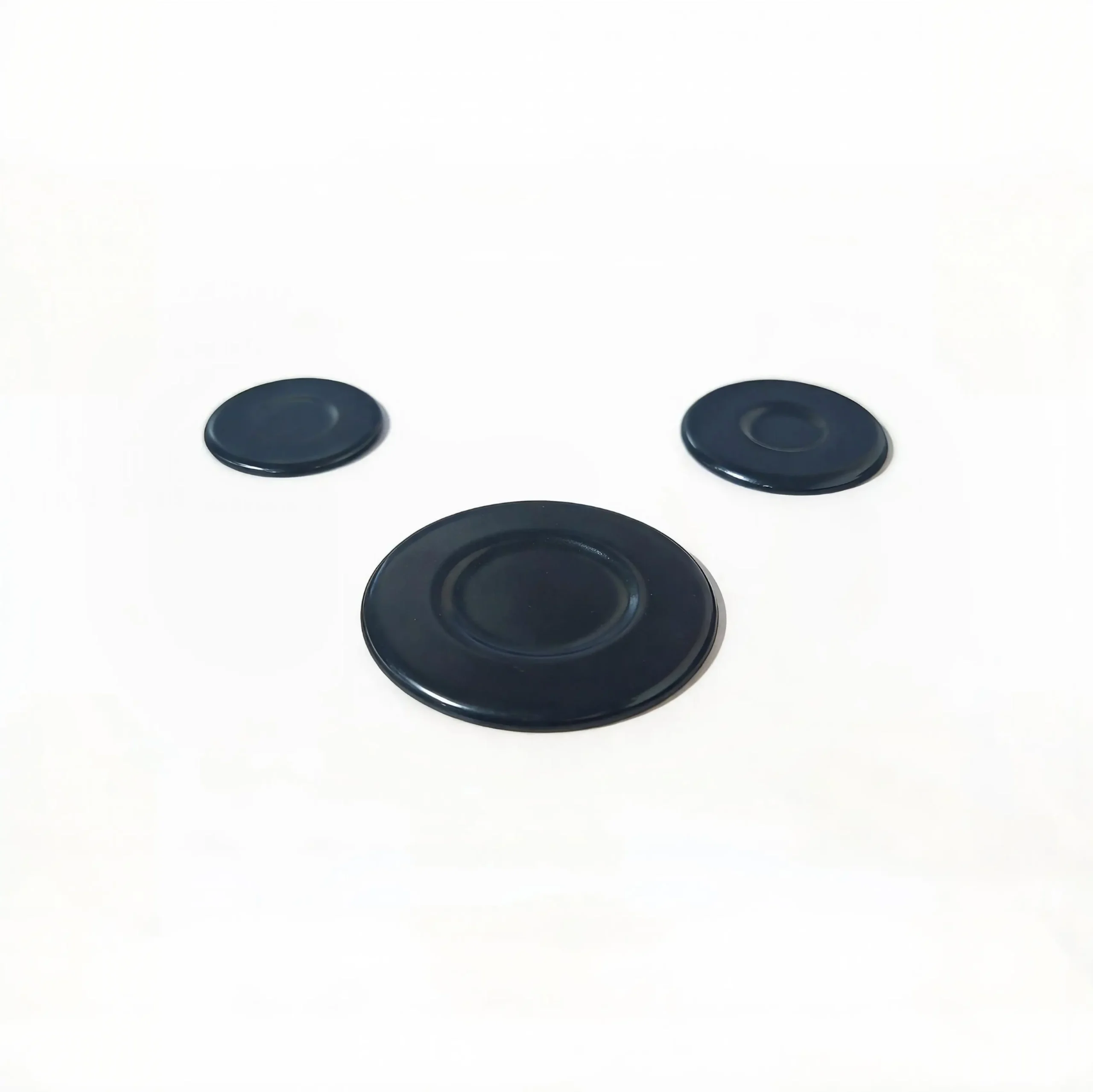
Burner heads and burner caps
Flame rings
Burner bases
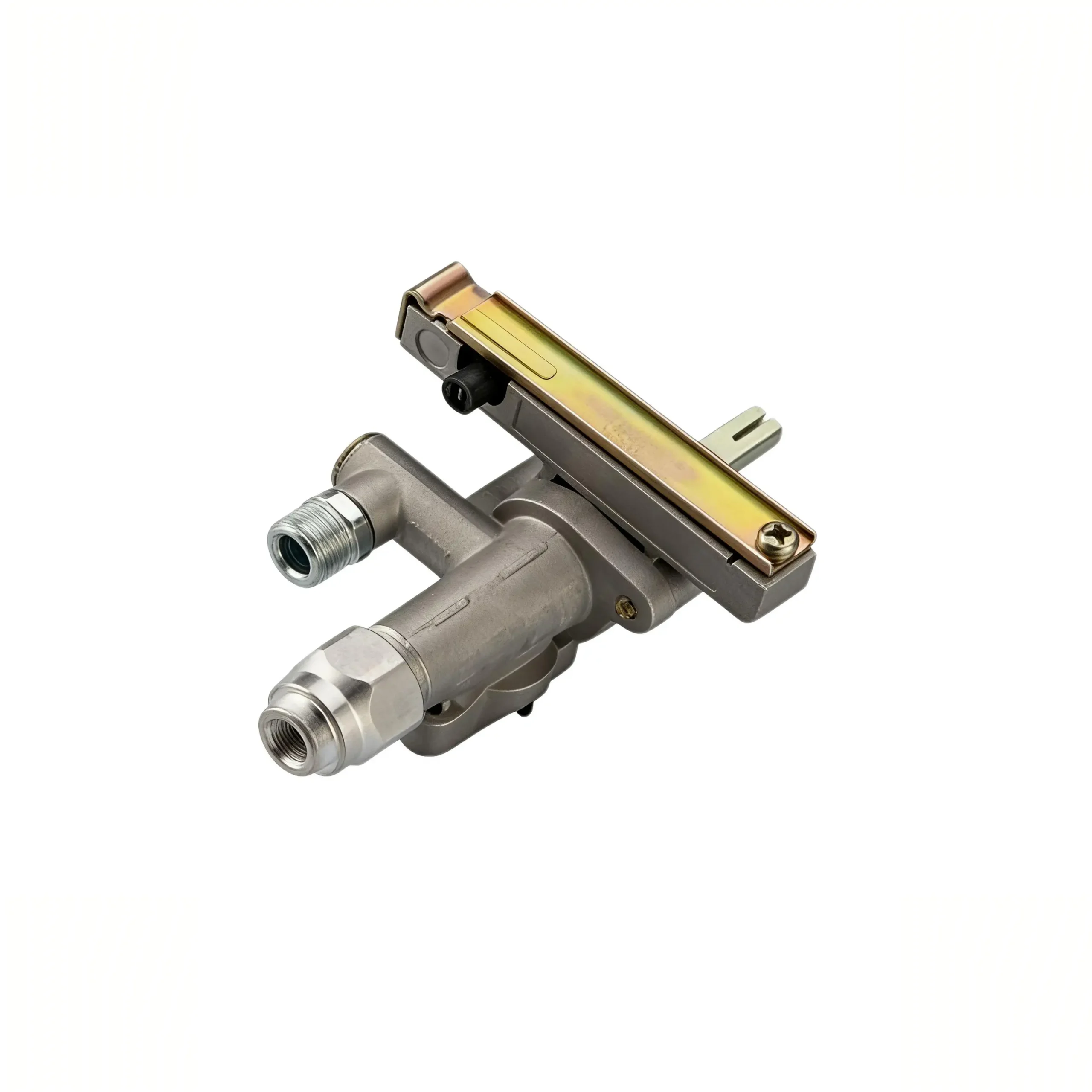
Gas injectors (with correct calibration)
By maintaining dimensional accuracy, these parts can be directly installed in stoves designed for Italian burners.
Material and Manufacturing Optimization for Cost Reduction
Cast Iron Burner Bodies
Cast iron remains the preferred material for burners requiring high thermal stability. By optimizing casting processes and wall thickness, manufacturers can achieve performance comparable to Italian burners at a lower cost.
Steel or Stainless Steel Flame Rings
Depending on target market and budget:
Heat-resistant coated steel flame rings provide a balanced solution
Stainless steel flame rings offer extended lifespan for premium models
These options allow OEMs to tailor cost and durability without redesigning the stove.
Performance Comparison: Italian Burners vs Compatible Alternatives
| Aspect | Italian Burners | Compatible Alternative Burner Parts |
|---|---|---|
| Flame stability | Excellent | Comparable |
| Heat output | High | Adjustable to OEM needs |
| Structural compatibility | Standardized | Fully compatible |
| Unit cost | High | Significantly lower |
| Lead time | Longer | Shorter and flexible |
With proper engineering, compatible burner parts can meet or closely match the performance of original Italian burners.
OEM Advantages of Using Compatible Burner Parts
For stove manufacturers, choosing compatible alternatives offers several OEM advantages:
Reduced production cost per unit
Greater flexibility in order quantity
Faster response to market demand
Easier customization for different markets
OEM suppliers with experience in international projects can also provide technical support to ensure seamless integration.
Gas Type Compatibility and Testing
Reliable compatible burner parts are designed to support:
LPG
Natural gas
Manufacturers conduct gas flow calibration and flame testing to ensure safety and efficiency under different gas conditions. This is especially important for export-oriented stove brands.
How to Choose a Reliable Supplier for Italian-Compatible Burner Parts
When sourcing alternatives, stove manufacturers should focus on suppliers who can provide:
Dimensional drawings and technical specifications
Stable production capacity
Consistent material quality
Sample testing and validation support
Experience with European and international markets
A professional supplier understands that compatibility, not just low price, determines long-term success.
Conclusion
Gas stove burner parts compatible with Italian burners offer stove manufacturers a practical and cost-effective alternative in today’s competitive market. By maintaining structural compatibility and performance standards while optimizing materials and manufacturing processes, OEMs can significantly reduce costs without sacrificing quality.
For manufacturers seeking reliable alternatives to Italian burners, working with an experienced OEM burner parts supplier is the key to achieving both performance and profitability.