The Future of Fire: 5 Trends Shaping Gas Burner Head Technology
Introduction: Igniting a New Era of Combustion
The humble gas burner head, long considered a mature technology, is on the cusp of a transformative revolution. Driven by global demands for sustainability, connectivity, and unparalleled performance, the core component of the gas cooker is being re-engineered from the ground up. This evolution extends far beyond incremental improvements, heralding a future where combustion is intelligent, adaptive, and seamlessly integrated into the digital home. For OEMs and suppliers of gas stove accessories, understanding these trends is critical to leading the next generation of appliance design. From advanced materials science in components like the Vulcan burner cap to AI-driven flame modulation, we explore the five powerful trends that are fundamentally reshaping the future of fire.


Trend 1: Ultra-Low Emissions & Hydrogen-Ready Combustion
The imperative for decarbonization is pushing burner technology toward a zero-carbon future.
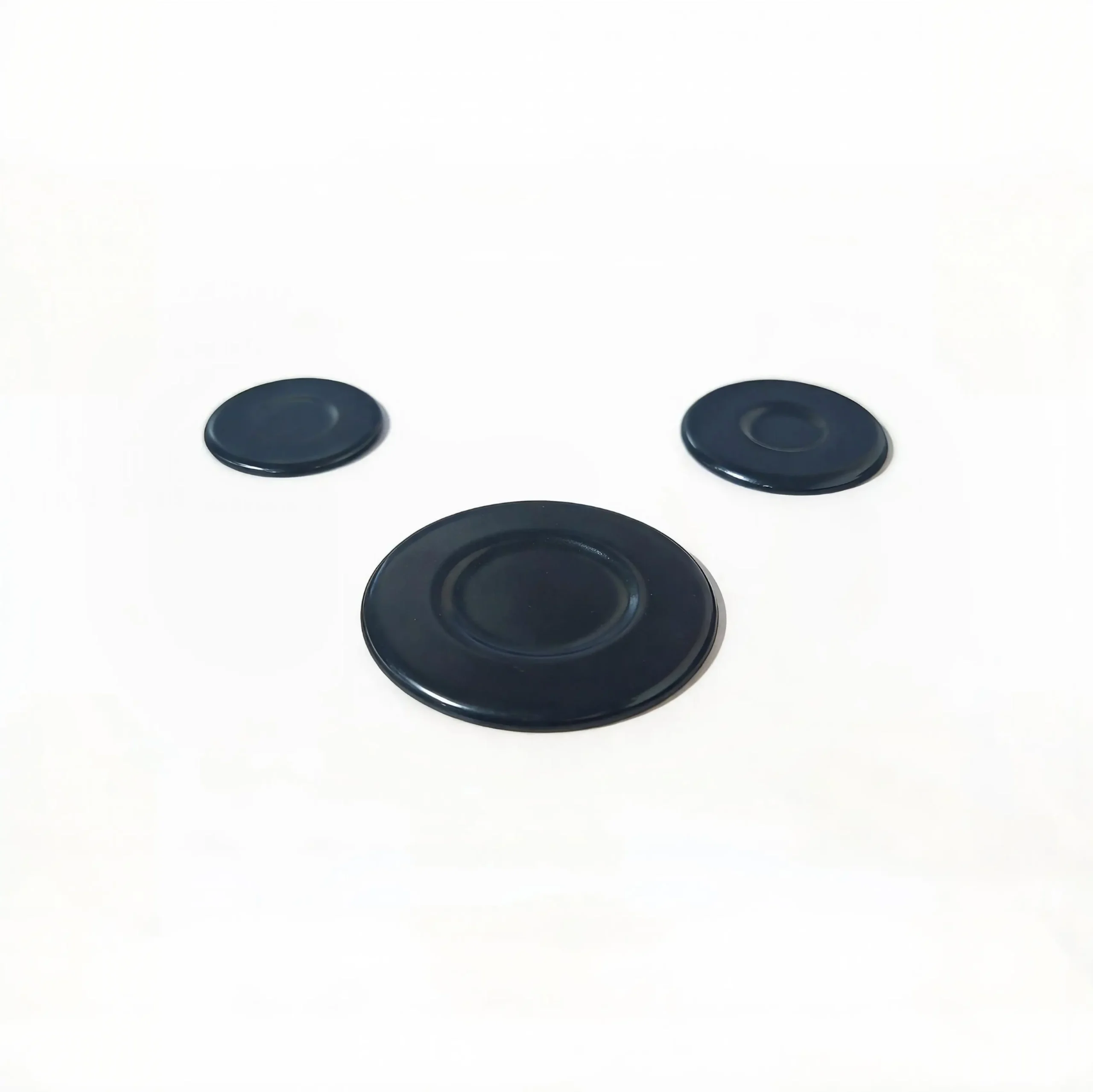
Micro-Mix and Laminar Flow Designs: Moving beyond traditional atmospheric burners, next-generation heads employ thousands of microscopic ports to create numerous tiny, perfectly mixed flames. This design, often seen in advanced Vulcan burner cap prototypes, achieves near-complete combustion at the source, reducing nitrogen oxides (NOx) and carbon monoxide (CO) emissions by up to 70% compared to current standards. The ultra-compact flame matrix also minimizes convective heat loss, directing energy upward with surgical precision.
Hydrogen and Renewable Gas Blending: The future energy grid will include hydrogen. Burner heads are being developed with special materials (hydrogen-resistant alloys) and redesigned injection systems to safely and efficiently burn natural gas blended with 20-30% hydrogen, and eventually, 100% hydrogen. This requires rethinking every aspect, as hydrogen’s high flame speed and low energy density demand smaller port diameters and enhanced flame stabilization features to prevent flashback and ensure silent operation.
Integrated Catalytic Combustion: Research is focusing on burner caps coated with catalytic metals (like palladium or platinum). These catalysts enable flameless or surface-stabilized combustion at lower temperatures, virtually eliminating NOx formation—a technology poised to transition from high-end commercial equipment to premium residential gas cookers.
Trend 2: Intelligent, Sensor-Driven Flame Modulation
The gas burner is becoming a responsive, data-generating appliance.
Real-Time Feedback Loops: Future burner systems will integrate a suite of sensors directly into the burner head assembly or the burner cap itself. Thermocouples, optical flame sensors, and even ultrasonic flow meters will provide live data on flame temperature, stability, and gas composition. This data feeds into a microprocessor that continuously adjusts the gas valve and primary air shutter, optimizing the flame millisecond-by-millisecond for efficiency and safety.
Predictive Maintenance and Diagnostics: These sensors will enable the gas cooker to self-diagnose issues. It could alert the user: “Left rear burner port partially clogged” or “Gas pressure fluctuation detected,” often recommending a specific cleaning procedure or the use of a dedicated maintenance gas stove accessory. This transforms the user experience from reactive troubleshooting to proactive care.
Auto-Adjusting to Cookware: Using weight or inductive sensors, the cooktop will detect the size, material, and even bottom flatness of a pot. The intelligent burner will then automatically shape and modulate its flame to match—concentrating a fierce, focused flame under a small wok, or spreading a gentle, even flame under a large stockpot—maximizing thermal transfer and eliminating wasted energy.
Trend 3: Advanced Materials & Additive Manufacturing (3D Printing)
Material science and production methods are unlocking previously impossible designs.
Custom Alloys for Extreme Performance: New aluminum-scandium alloys and high-silicon aluminum composites offer greater strength at high temperatures, allowing for thinner, more thermally efficient burner cap designs with intricate internal gas channels that were impossible to cast traditionally.
Ceramic and Cermet Integration: The use of advanced ceramics (like silicon carbide) in high-wear areas provides exceptional durability and corrosion resistance. Cermets (ceramic-metal composites) are being explored for their ability to withstand thermal shock while providing unique radiative properties.
The Rise of Additive Manufacturing: 3D printing, particularly via Direct Metal Laser Sintering (DMLS), allows for the creation of monolithic burner heads with complex internal geometries. Imagine a single-piece burner with integrated, tortuous gas mixing pathways, optimized heat fins, and custom flame ports—all printed to exact digital specifications. This allows for ultra-rapid prototyping, mass customization, and performance optimization that subtractive manufacturing (like casting) cannot match. A future Vulcan burner cap might be a lightweight, lattice-structured component that maximizes heat distribution while minimizing material use.
Trend 4: Enhanced User Experience (UX) & Seamless Cleaning
The battle for the kitchen is won on convenience and aesthetics.
Flame Visualization and Control: LED-integrated burner rings that project a halo of light onto the cooktop surface, changing color to indicate heat level (blue for low, red for high). Touch-free gesture control or voice command (“simmer the front left burner”) will become standard in high-end models.
The “Spill-Proof” Burner Head: Future designs will focus on creating a completely sealed top surface. The burner cap and base will unite with tight, gasketed interfaces or clever labyrinth seals, making it impossible for liquids, crumbs, or food debris to penetrate the critical gas delivery system. Cleaning will involve simply wiping a smooth, uninterrupted surface.
Self-Cleaning and Anti-Stick Coatings: Advanced nanocoatings, derived from aerospace or automotive industries, will be applied to burner caps. These permanent coatings create a super-hydrophobic and oleophobic surface, causing most spills to bead up and preventing proteins and sugars from baking on, making cleanup effortless with a wipe.
Trend 5: Modularity & Ecosystem Integration
The gas cooker evolves from an appliance into a platform.
Plug-and-Play Burner Modules: Instead of a fixed cooktop, imagine a magnetic or bayonet-mount surface where users can snap in different specialized burner modules: a powerful wok burner, a gentle simmer burner, a griddle plate with integrated heating, or even an induction module. This turns the gas stove into a customizable cooking platform, with the burner head as a swappable gas stove accessory.
Integration with Kitchen IoT: The smart burner will communicate with other kitchen devices. It could preheat the oven when it senses you’re searing a steak, activate the hood extractor at an optimal speed based on smoke/steam, or sync with a recipe app to automatically set precise, time-controlled heat levels for each cooking step.
Performance Tracking and Gamification: Apps will track cooking habits, energy usage, and even suggest maintenance for gas burners. They could offer challenges or tutorials to cook more efficiently, turning the mastery of flame into an engaging, data-rich experience.
Conclusion: The Intelligent Flame
The trajectory of gas burner head technology is clear: it is moving from a dumb, mechanical part to an intelligent, adaptive, and sustainable thermal system. The trends of ultra-low emissions, sensor-driven intelligence, advanced materials, user-centric design, and modular ecosystems are converging to redefine what a gas cooker can be.
For manufacturers, this means the core value is shifting from simply producing a Vulcan burner cap to engineering a sophisticated thermal management node. The future belongs to those who view the burner not as an isolated component, but as the dynamic, connected, and clean-beating heart of the kitchen. The fire of the future will be smarter, cleaner, and more responsive than we ever imagined, ensuring that gas cooking remains not just relevant, but at the forefront of culinary innovation for decades to come.