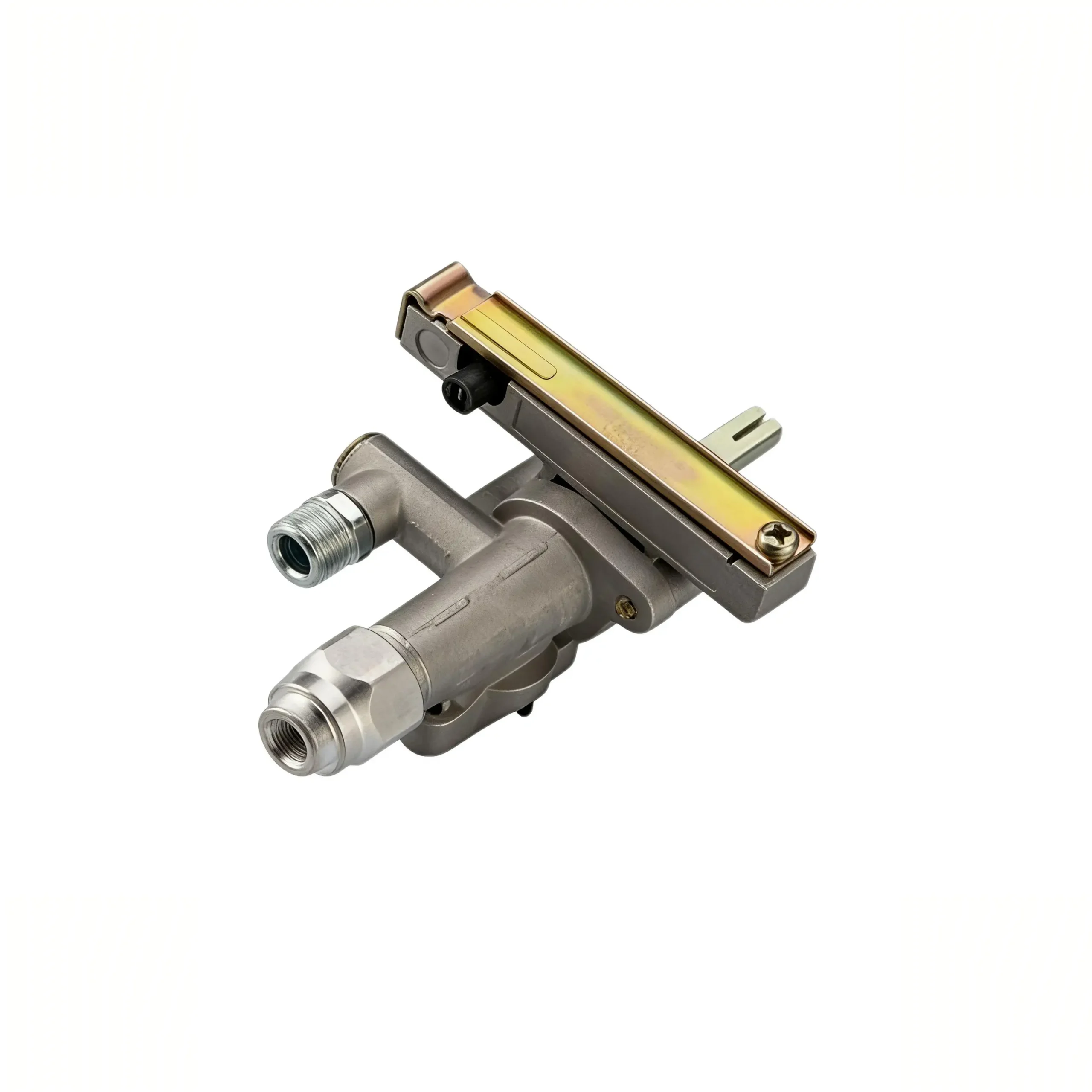
Gas Control Valve Manufacturing Process: Materials, Safety Standards, and Quality Control
The gas control valve plays a critical role in gas stoves and cooktops. It regulates gas flow, controls flame output, and directly affects user safety. For OEM gas stove manufacturers, understanding the gas control valve manufacturing process helps reduce sourcing risks and ensures stable product quality.
This article explains how gas control valves are manufactured, focusing on materials, safety standards, and quality control from an OEM perspective.
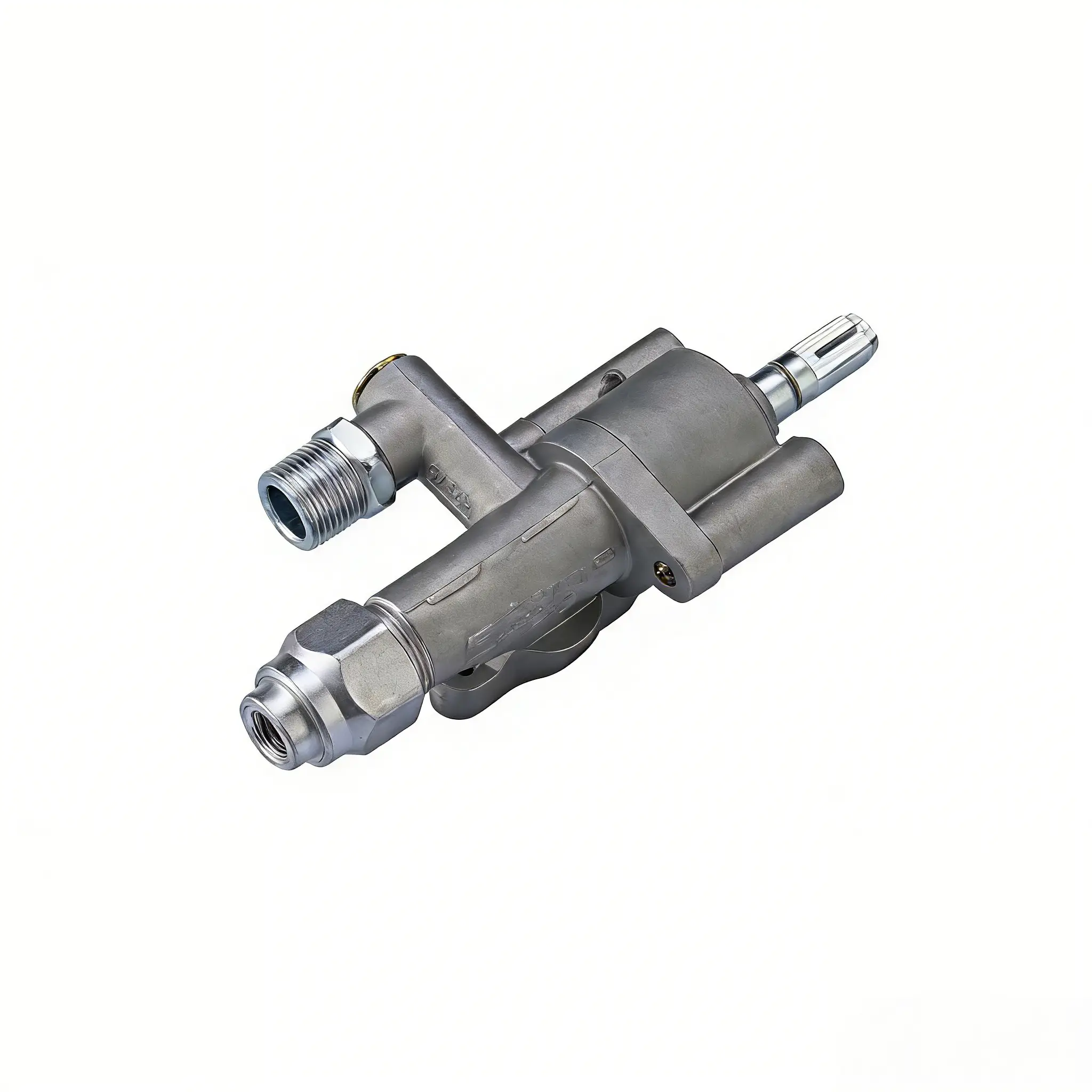
Gas control valve
Gas control valves regulate gas flow and ensure safe operation in gas stoves and cooktops. We manufacture reliable gas control valves for household and commercial gas appliances. Our products offer smooth adjustment, stable performance, and long service life. With over 15 years of manufacturing experience, we focus on precise assembly and strict quality control. These gas control valves work with natural gas and LPG systems. We support OEM customization to match different stove designs and market requirements.
Materials Used in Gas Control Valve Manufacturing
Material selection determines durability, sealing performance, and long-term reliability. Manufacturers choose materials based on gas type, cost targets, and certification requirements.
Valve Body Materials
Most gas control valve bodies use the following materials:
Brass: Offers excellent corrosion resistance and precise machining performance. Many premium gas control valves use brass bodies.
Zinc alloy: Provides a cost-effective solution for large-volume production with stable dimensional accuracy.
Aluminum alloy: Reduces weight and suits compact or modular stove designs.
Each material supports different market requirements and pricing strategies.
Internal Components and Sealing Parts
Internal components must handle frequent rotation and long-term gas exposure. Common materials include:
Stainless steel or carbon steel for spindles and springs
High-temperature rubber or polymer for sealing components
Manufacturers select sealing materials carefully to ensure gas tightness under pressure and heat.
Gas Control Valve Manufacturing Process
A stable manufacturing process ensures consistent performance and safety compliance.
Forming the Valve Body
Manufacturers typically produce valve bodies using:
Die casting for zinc and aluminum alloy valves
Forging or bar machining for brass valves
These methods provide strong structural integrity and consistent dimensions.
CNC Machining and Precision Processing
After forming, CNC machines process key interfaces and internal channels. Precise machining ensures smooth gas flow and accurate assembly with burners and gas pipelines.
Manufacturers control tolerances strictly to prevent leakage and uneven torque during operation.
Assembly of Internal Mechanisms
Skilled technicians assemble the spindle, spring system, and sealing elements. Proper alignment ensures smooth rotation and stable gas regulation.
Manufacturers apply torque control during assembly to maintain consistent operating force across production batches.
Surface Treatment and Finishing
Surface treatment improves corrosion resistance and appearance. Common processes include plating, coating, or surface passivation.
Manufacturers select surface treatments based on usage environment and customer specifications.
Safety Standards for Gas Control Valves
Gas control valves must meet strict safety requirements, especially for export markets.
International Safety Standards
OEM gas control valves usually comply with:
CE and EN standards for the European market
National gas appliance regulations in target regions
Manufacturers design valves to meet pressure limits, temperature resistance, and operational durability defined by these standards.
Flame Failure Protection and Gas Type Compatibility
Many gas control valves integrate flame failure protection systems. These systems automatically shut off gas when the flame goes out, reducing safety risks.
Manufacturers also calibrate valves for specific gas types, such as natural gas or LPG. Each gas type requires different flow rates and pressure control.
Quality Control in Gas Control Valve Production
Reliable manufacturers implement quality control at every production stage.
Leak and Airtightness Testing
Manufacturers test each gas control valve under pressure to confirm airtight sealing. This step prevents gas leakage during real-world use.
Functional Performance Testing
Valves undergo rotation, opening, and closing tests to ensure smooth operation. Manufacturers also test torque consistency to guarantee user-friendly control.
Lifecycle and Durability Testing
To verify long-term reliability, manufacturers perform repeated operation cycles. These tests simulate years of household or commercial use.
Dimensional and Visual Inspection
Quality teams inspect critical dimensions to ensure compatibility with burners, knobs, and stove bodies. Final visual checks confirm surface quality and assembly accuracy.
Why Manufacturing Transparency Matters for OEM Buyers
For gas stove manufacturers, understanding how suppliers produce gas control valves brings several advantages:
Better control over product quality
Reduced certification and compliance risks
Stable mass production for long-term projects
Improved cost control without sacrificing safety
Suppliers with transparent manufacturing processes often deliver more consistent results.
Conclusion
The gas control valve manufacturing process combines precise material selection, controlled machining, strict safety compliance, and comprehensive quality control. For OEM gas stove manufacturers, choosing the right valve supplier directly affects safety performance, certification success, and market competitiveness.
By focusing on materials, safety standards, and quality assurance, manufacturers can produce reliable gas stoves that meet global market expectations.