The OEM's Blueprint to Custom Burner Head Development: From Concept to Mass Production
Have a unique appliance design? Our step-by-step guide walks you through the complete custom burner head development process, ensuring a perfect fit and optimal performance.
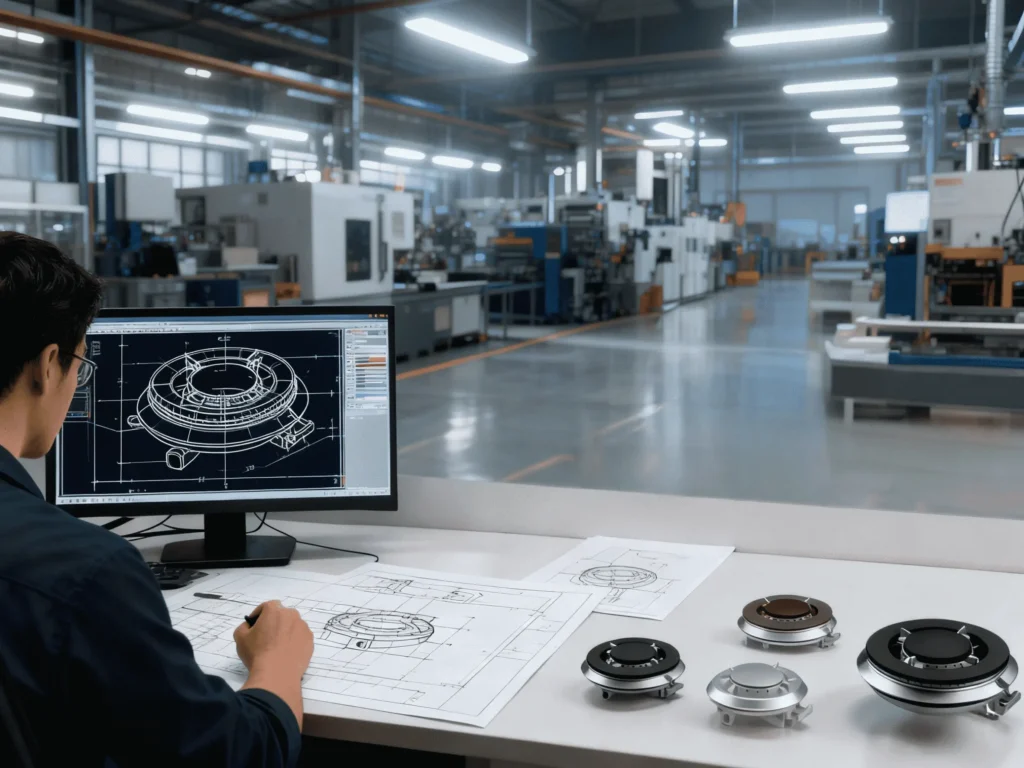
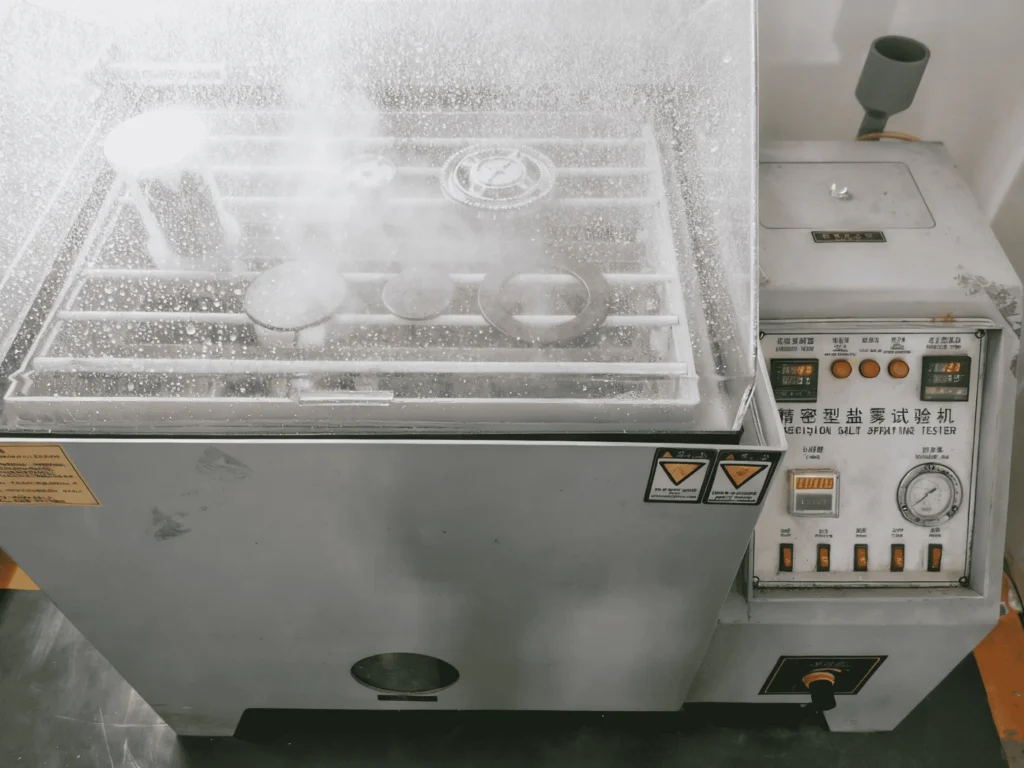
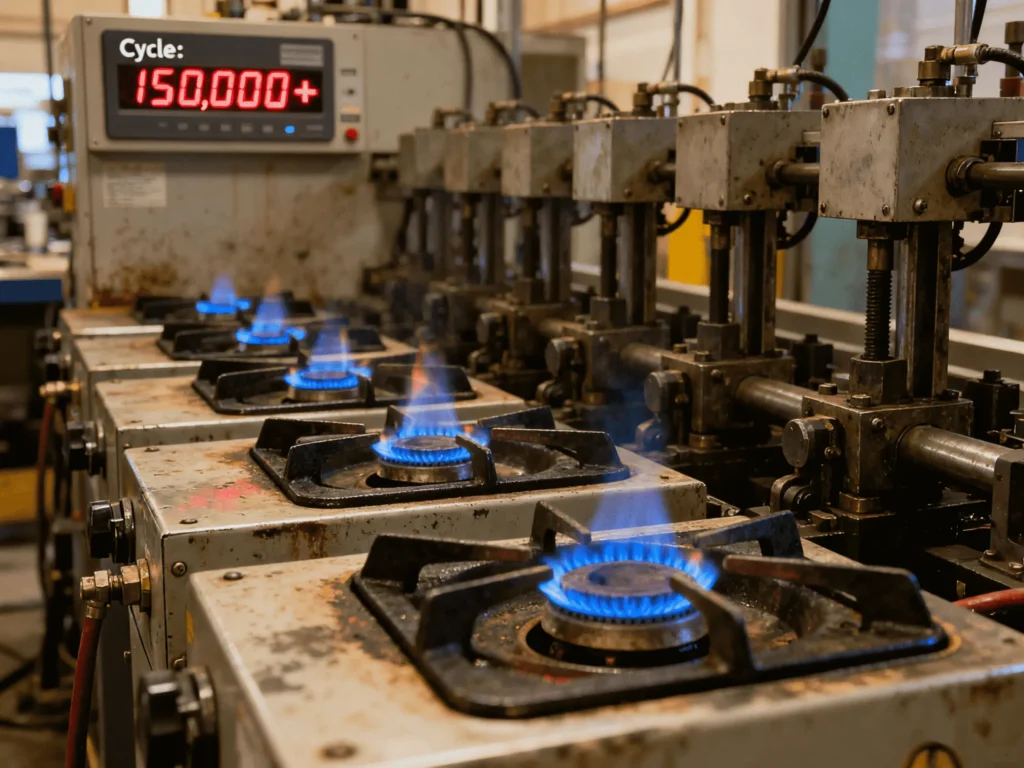
Introduction: Position custom burner development not as a luxury, but as a necessary step for innovative appliance design that stands out in the market.
Phase 1: Discovery & Feasibility (The Blueprint):
- Requirements Workshop: Detail the information exchange: desired heat output, physical dimensions, gas type, special features (e.g., dual-flame, specific flame pattern).
- Technical & Manufacturing Feasibility Analysis: Explain how engineers assess the design for performance, safety, and cost-effective manufacturability.
Phase 2: Design & Engineering (The Virtual Model):
- CAD Modeling & CFD Analysis: Show how digital twins are created and optimized for airflow and combustion.
- Material Selection Review: Revisit material choices based on the specific application and cost targets.
Phase 3: Prototyping & Validation (The Physical Proof):
- Rapid Prototyping: Discuss methods like 3D printing for initial form/fit checks.
- Functional Sample Tooling: Explain the creation of a limited-run mold to produce fully functional samples for testing.
- Rigorous Sample Testing: Describe the battery of tests (as in Blog Post 17) performed on the custom samples.
Phase 4: Production & Quality Assurance (The Launch):
- Mass Production Tooling: Detail the investment in high-volume, durable molds.
- Initial Production Run (IPR) and First Article Inspection (FAI): Explain the rigorous validation of the first parts off the production line.
- Continuous Monitoring: Outline the ongoing quality control throughout the product lifecycle.
Conclusion: A successful custom project is a partnership, blending the OEM’s vision with the manufacturer’s engineering expertise.
CTA: “Ready to bring your unique appliance vision to life? Contact our ODM project management team to initiate a design consultation.”