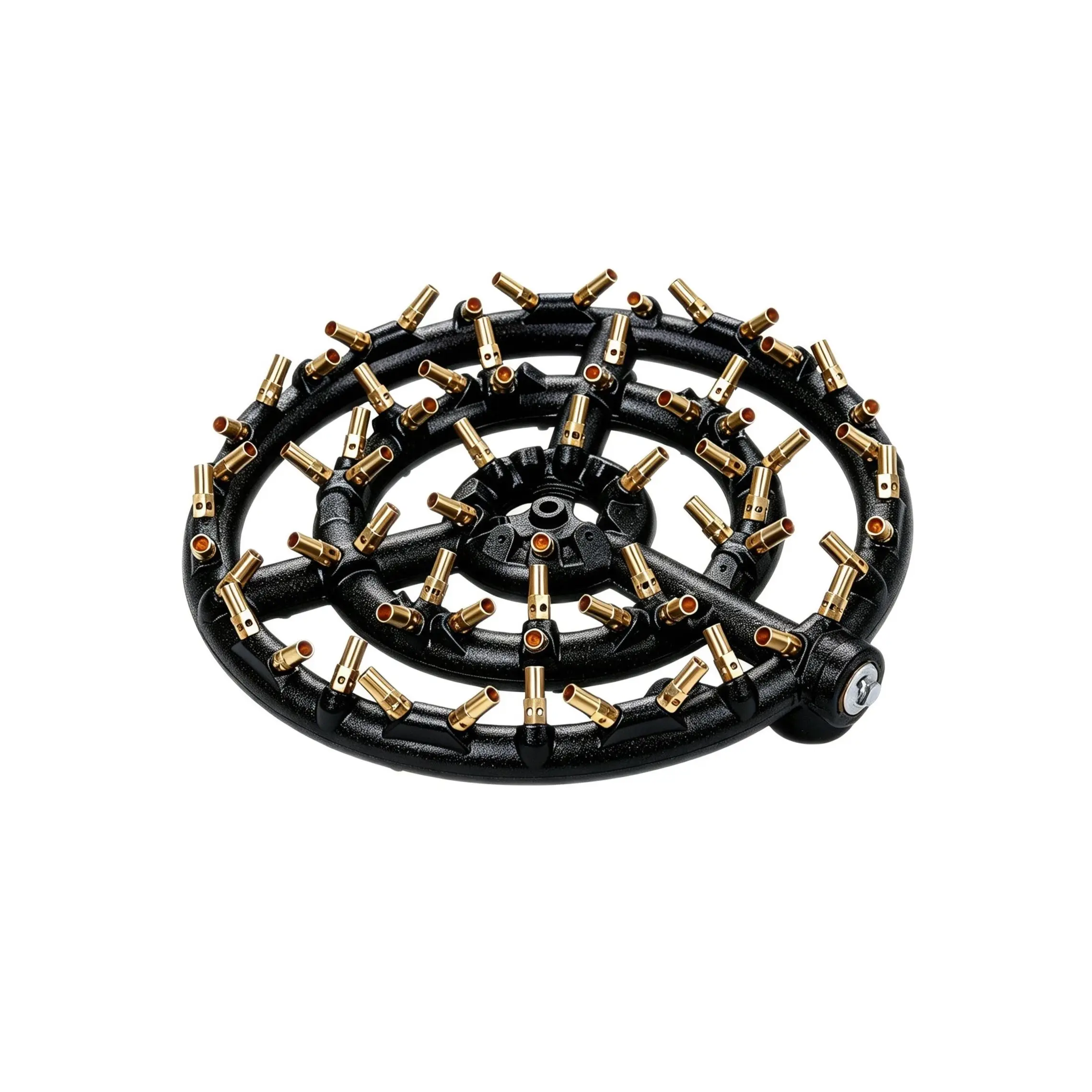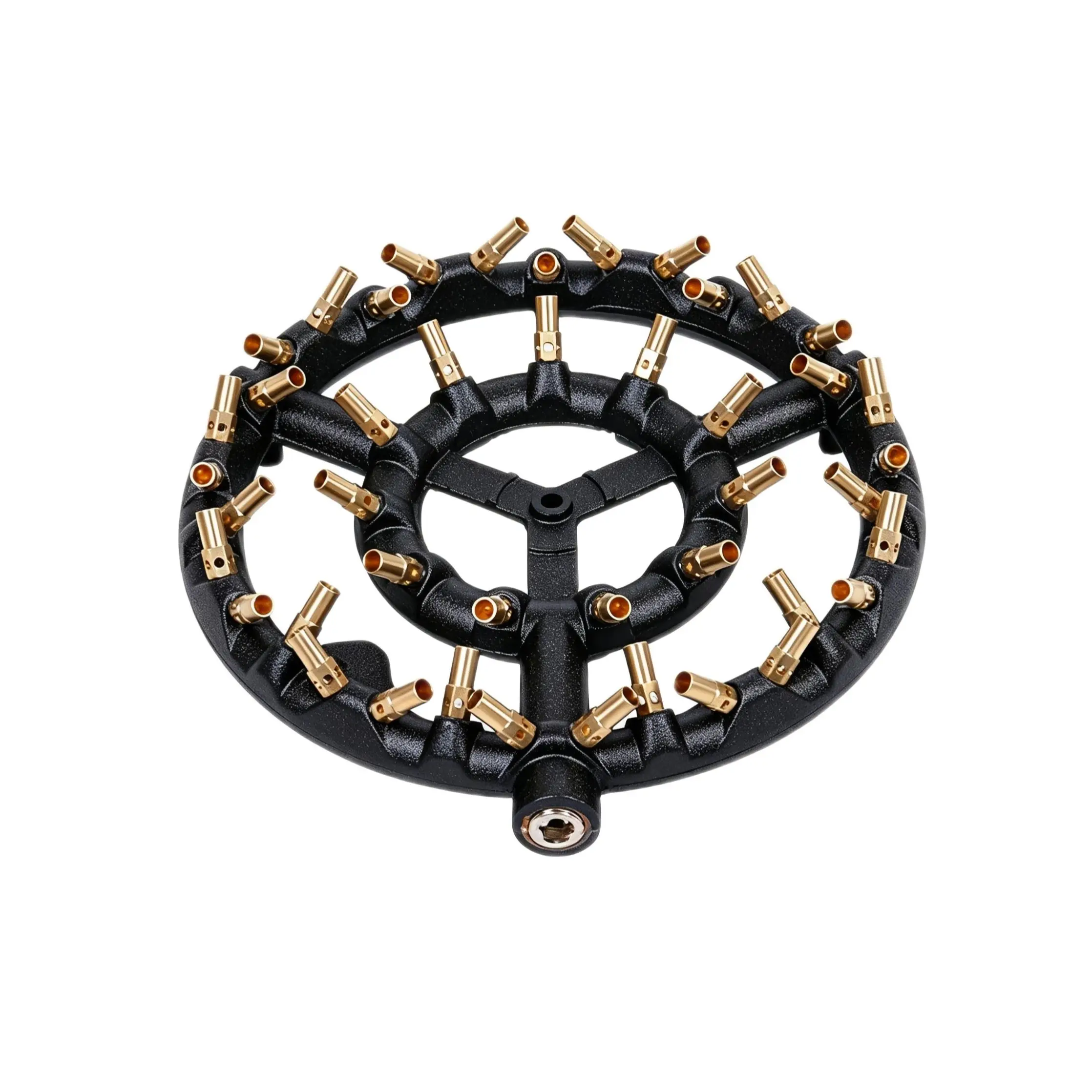
Commercial Gas Burner Parts Explained: Components and Functions for Better Performance
In commercial kitchen equipment, performance depends on the efficiency and reliability of core components. Among these, commercial gas burner parts play a vital role in delivering stable flame, high heat output, and safe operation.
For restaurant equipment manufacturers, distributors, and OEM buyers, understanding how each burner component works helps improve product design and reduce maintenance issues. This guide explains the main components of a commercial gas burner and how their functions contribute to better performance in industrial cooking equipment.

Enter product center
Why Understanding Burner Components Matters
Commercial kitchens operate under continuous high heat and heavy workloads. Burner systems must deliver consistent performance throughout long operating hours.
A clear understanding of commercial gas burner parts helps:
- Improve combustion efficiency
- Ensure stable flame performance
- Reduce equipment downtime
- Extend product lifespan
For B2B buyers, this knowledge supports better sourcing decisions and product optimization.
Main Commercial Gas Burner Parts and Their Functions
1. Burner Head
The burner head forms the core of the gas burner system. It distributes gas and creates the flame pattern used in cooking.
Key functions:
- Ensures even gas distribution
- Produces stable and uniform flames
- Supports high heat output
Cast iron is commonly used for burner heads due to its durability and heat resistance.
2. Burner Cap
The burner cap sits on top of the burner head and controls how the flame spreads.
Functions include:
- Protecting burner ports from blockage
- Stabilizing flame shape
- Improving heat distribution
A well-designed burner cap enhances overall combustion efficiency.
3. Gas Injector (Nozzle)
The gas injector controls the flow of gas into the burner.
Key roles:
- Regulates gas volume
- Ensures proper air-to-gas ratio
- Affectsflame intensity and efficiency
Precision injectors are critical for maintaining optimal burner performance.
4. Venturi Tube (Air-Gas Mixing Tube)
The venturi tube mixes gas with air before combustion.
Benefits include:
- Improved combustion efficiency
- Cleaner flame with reduced emissions
- Better heat utilization
Efficient mixing ensures stable and powerful flame performance.
5. Ignition System
The ignition system starts the burner and supports daily operation.
Common types:
- Piezo ignition
- Electronic ignition
Reliable ignition systems improve convenience and reduce startup issues.
6. Thermocouple (Flame Safety Device)
The thermocouple detects whether the flame is active. It shuts off the gas supply if the flame goes out.
Key advantages:
- Prevents gas leakage
- Enhances operational safety
- Meets international safety standards
This component is essential in modern commercial kitchen equipment.
7. Gas Valve
The gas valve controls gas flow and pressure.
Functions include:
- Adjusting flame intensity
- Ensuring stable gas supply
- Supporting precise cooking control
High-quality valves contribute to consistent burner performance.
8. Burner Frame and Support Structure
The burner frame holds all components together and supports cookware.
Key features:
- Structural stability under heavy loads
- Heat resistance
- Long-term durability
A strong support system ensures safe and efficient operation.
How These Components Work Together
Each part in a burner system performs a specific function, but overall performance depends on how well they work together.
A complete commercial gas burner assembly ensures:
- Efficient gas flow and mixing
- Stable ignition and flame control
- High heat output with minimal energy loss
When all components function correctly, the burner delivers reliable performance in demanding environments.
How High-Quality Burner Parts Improve Performance
Using high-quality commercial gas burner parts leads to measurable improvements in equipment performance.
Key benefits include:
- More stable flame distribution
- Higher heat efficiency
- Lower gas consumption
- Reduced maintenance requirements
These advantages are critical for industrial cooking equipment and restaurant stoves.
Tips for Choosing the Right Burner Parts
1. Focus on Material Quality
Choose durable materials such as cast iron, brass, and stainless steel for long-term performance.
2. Ensure Precision Manufacturing
Look for components with accurate machining and consistent quality.
3. Match Application Requirements
Select parts based on the specific needs of the equipment, such as wok burners or gas ranges.
4. Verify Safety Compatibility
Ensure compatibility with safety systems like thermocouples and ignition devices.
5. Work with Reliable Manufacturers
Choose an experienced OEM gas burner parts manufacturer that offers stable quality and customization services.
Benefits for Restaurant Equipment Manufacturers
Understanding and selecting the right burner components helps manufacturers:
- Improve product design
- Enhance equipment performance
- Reduce after-sales issues
- Increase competitiveness in global markets
High-quality burner systems create more reliable commercial kitchen equipment.
Conclusion
Understanding commercial gas burner parts and their functions is essential for achieving better performance in industrial cooking equipment. Each component plays a critical role in heat output, flame stability, and safety.
For restaurant equipment manufacturers and distributors, investing in high-quality burner components ensures long-term reliability and customer satisfaction.
Request a Quote for Commercial Gas Burner Parts
If you are sourcing commercial gas burner parts, our factory provides:
- Full range of burner components
- OEM and customized solutions
- Stable production for bulk orders
- Professional export support
Contact us today to receive product catalogs, technical specifications, and competitive pricing.