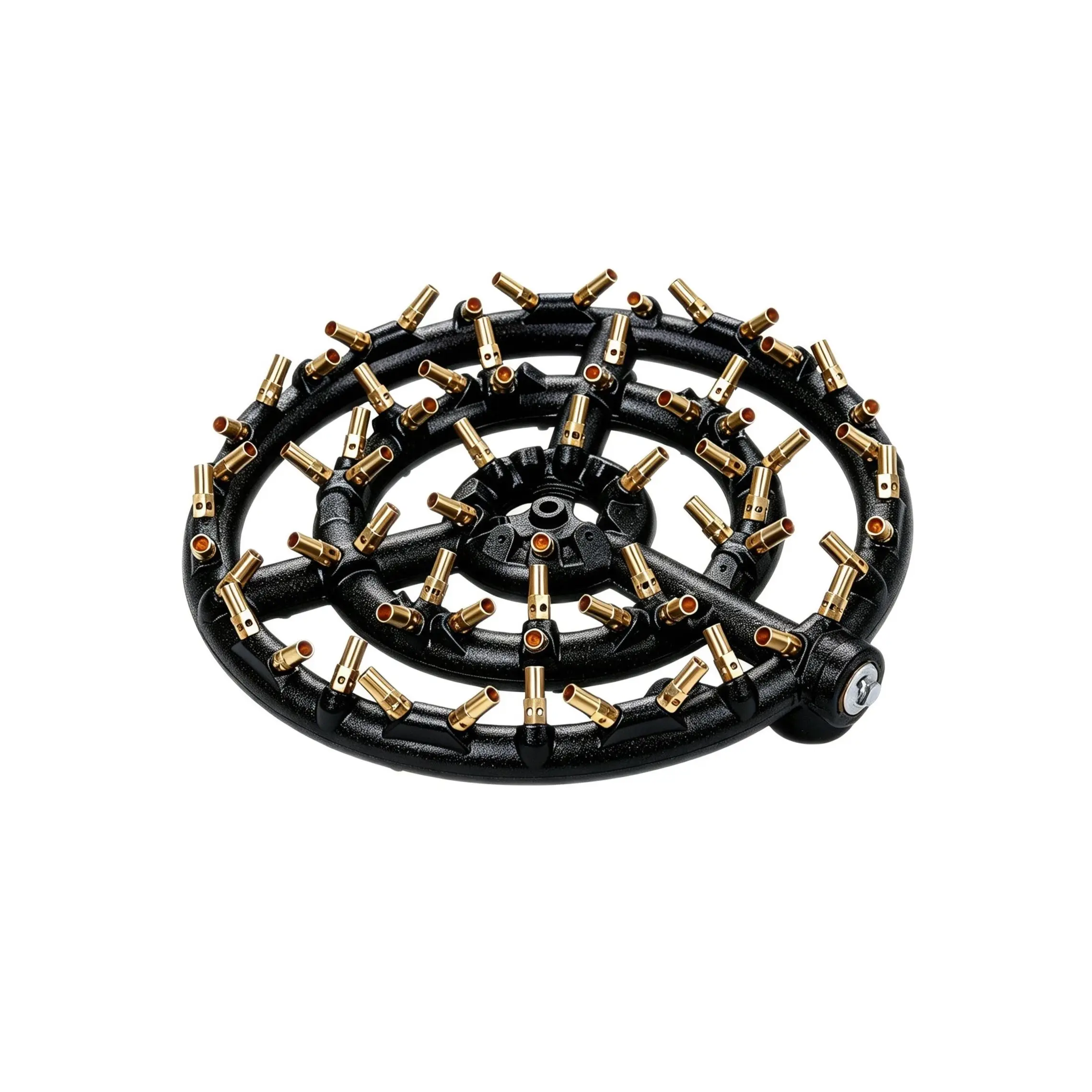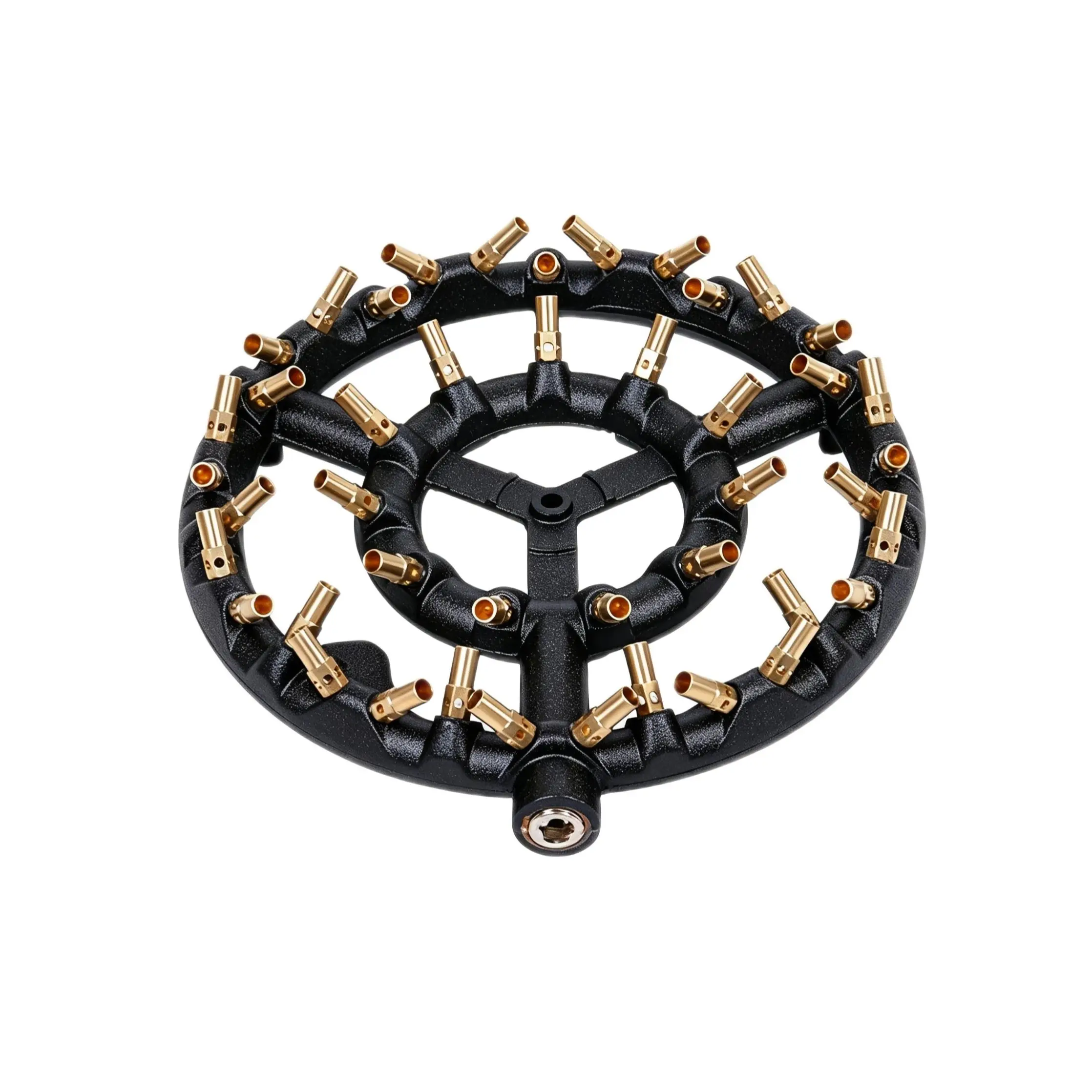
Gas Stove Burner Cap for OEM Production: Cost-Effective Solutions for Stove Manufacturers
In today’s highly competitive gas stove market, stove manufacturers face constant pressure to reduce costs while maintaining safety, performance, and product consistency. Among all critical components, the gas stove burner cap plays a key role in flame stability, heat distribution, and overall cooking efficiency.
This article explores how stove manufacturers can achieve cost-effective gas stove burner cap solutions for OEM production without compromising quality or regulatory compliance.

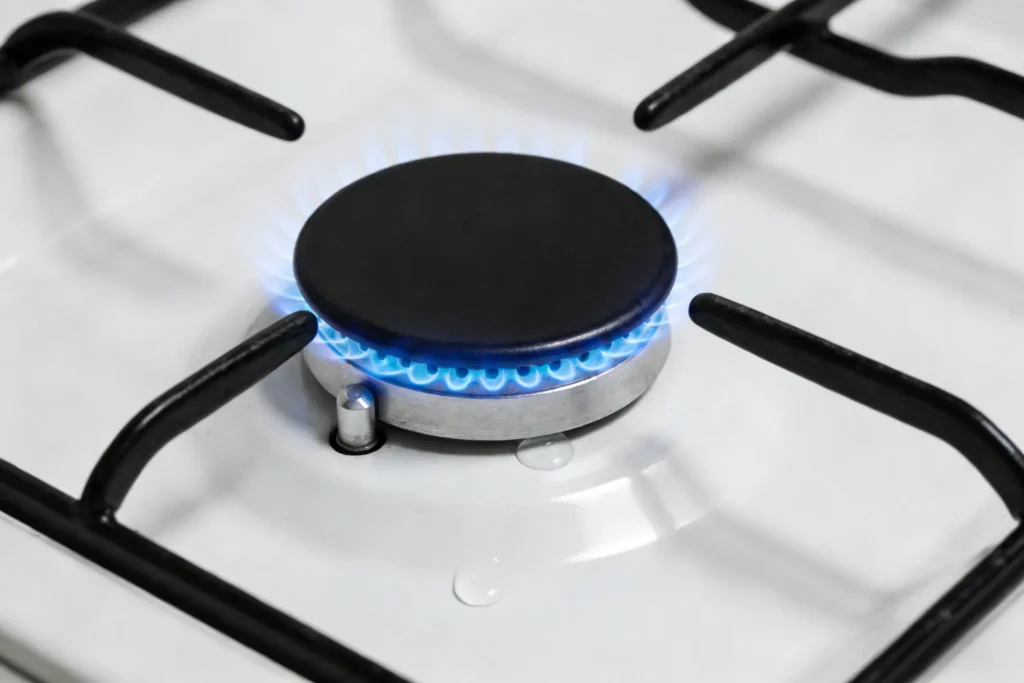
Why Burner Cap Cost Matters in OEM Gas Stove Production
In large-scale OEM manufacturing, even small cost differences per unit can significantly impact overall profitability. Burner caps directly influence:
Combustion performance
Product lifespan
Certification success rate
After-sales service costs
A well-optimized burner cap design helps manufacturers balance performance, durability, and unit cost.
Material Strategies for Cost-Effective Burner Caps
Cast Iron Burner Caps
Cast iron remains the preferred choice for medium to high-end gas stoves:
Excellent heat resistance
Stable flame output
Long service life
By using standardized grades such as GG20 or HT200, manufacturers can control raw material cost while maintaining consistent performance.
Aluminum Alloy Burner Caps
For entry-level and cost-sensitive markets:
Aluminum alloy burner caps reduce material and shipping costs
High-pressure die casting enables mass production
Suitable for household gas cooktops with moderate usage
Material selection should align with target market positioning and usage frequency.
Design Optimization for OEM Cost Reduction
Cost-effective OEM burner cap production relies on smart design:
Simplified flame port geometry
Standardized burner sizes across multiple models
Reduced secondary machining steps
Optimized wall thickness without sacrificing strength
Design standardization improves tooling utilization and reduces scrap rates.
Manufacturing Process Efficiency
Experienced manufacturers reduce cost by:
Integrating casting, machining, and surface treatment in-house
Using automated drilling for flame ports
Applying functional surface finishing instead of cosmetic treatments
This approach ensures stable quality at lower production cost.
Quality Control Without Overengineering
Cost-effective production does not mean reduced quality. Efficient quality control focuses on:
Critical dimensions and flame port accuracy
Flatness and fit with burner base
Thermal and flame stability testing
Avoiding unnecessary inspections helps control cost while ensuring safety and performance.
Compatibility with Certification Requirements
Even cost-optimized burner caps must support:
CE and EN standards (for EU markets)
Stable performance for LPG and natural gas
Compatibility with flame failure devices
Well-designed OEM burner caps can meet certification requirements when properly integrated into the complete stove system.
Advantages of OEM Burner Cap Solutions
For stove manufacturers, OEM burner cap sourcing offers:
Lower unit cost compared to branded components
Flexible customization options
Shorter lead times
Scalable production capacity
These advantages are especially important for manufacturers serving price-sensitive markets.
Conclusion
Cost-effective gas stove burner cap solutions are achieved through the right combination of material selection, design optimization, efficient manufacturing, and focused quality control.
For stove manufacturers, partnering with an experienced OEM burner cap supplier ensures reliable performance, competitive pricing, and long-term supply stability in an increasingly competitive market.