Gas Cooktop Burner Parts Explained: Materials, Structure, and Manufacturing Process
Introduction
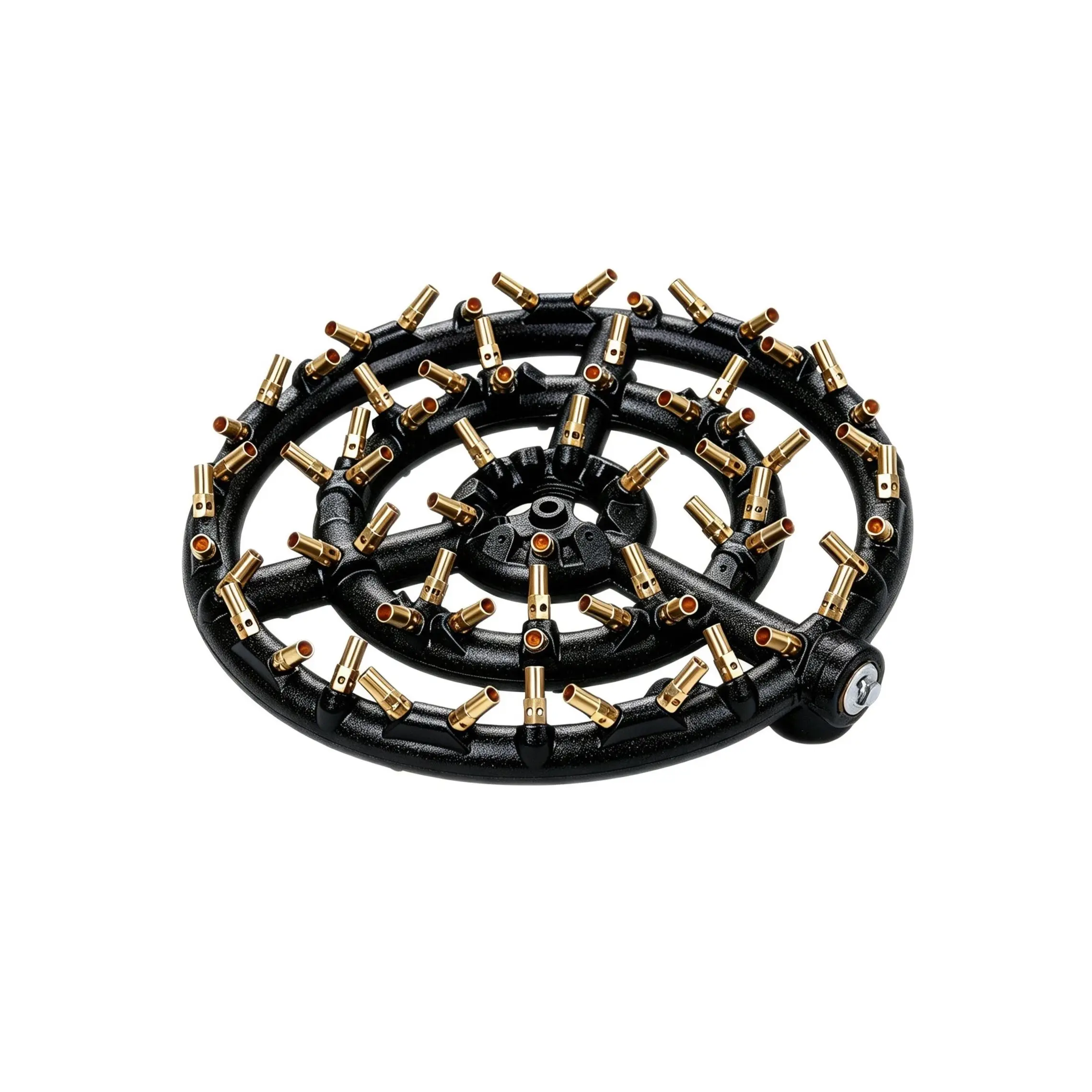
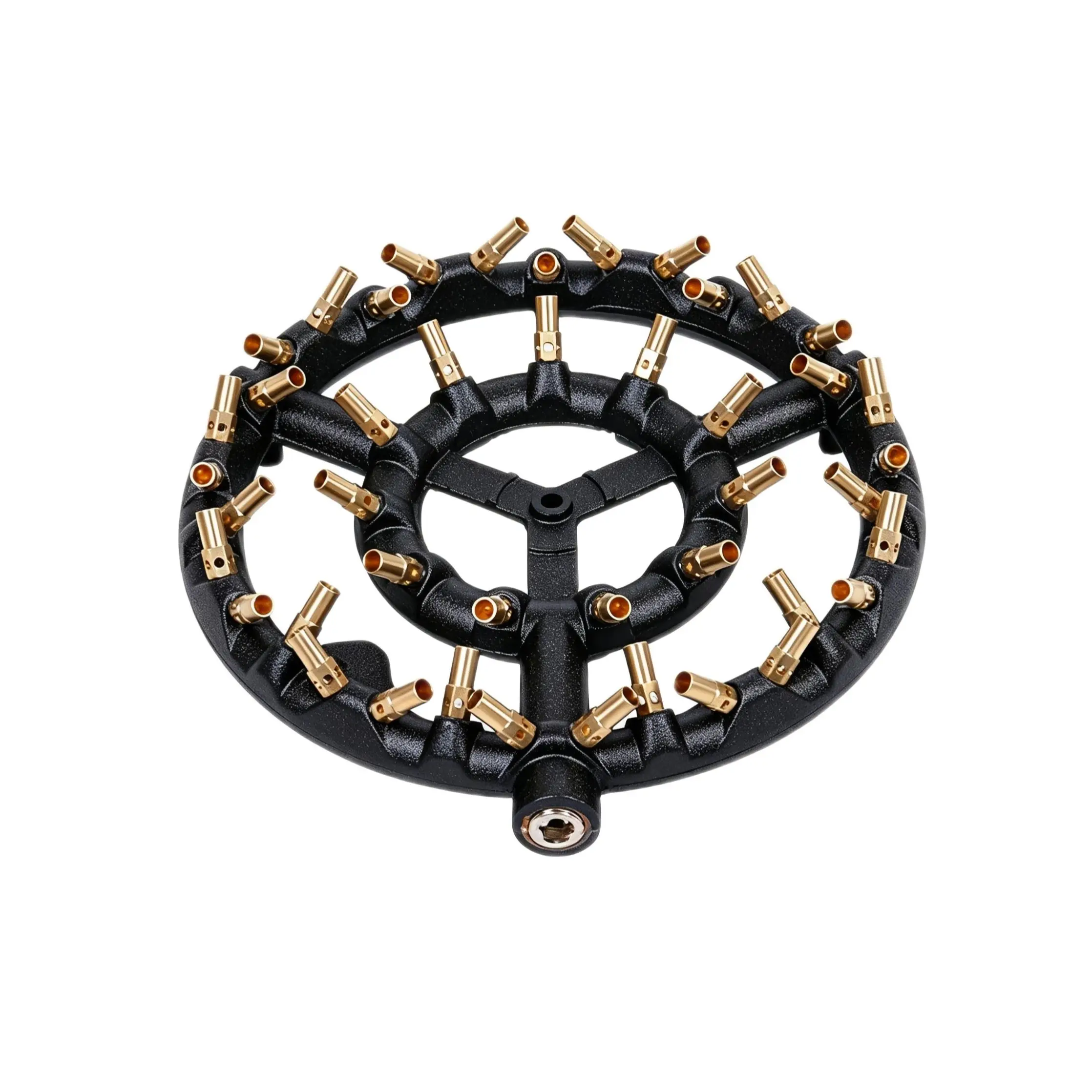
For gas stove and cooktop manufacturers, understanding gas cooktop burner parts is essential for ensuring stable flame performance, safety compliance, and cost-effective production. Burner components are not just metal parts—they directly affect combustion efficiency, durability, and final appliance certification.
This article explains the materials, structure, and manufacturing process of gas cooktop burner parts, offering a practical reference for OEM gas stove manufacturers and purchasing teams.
Overview of Gas Cooktop Burner Parts
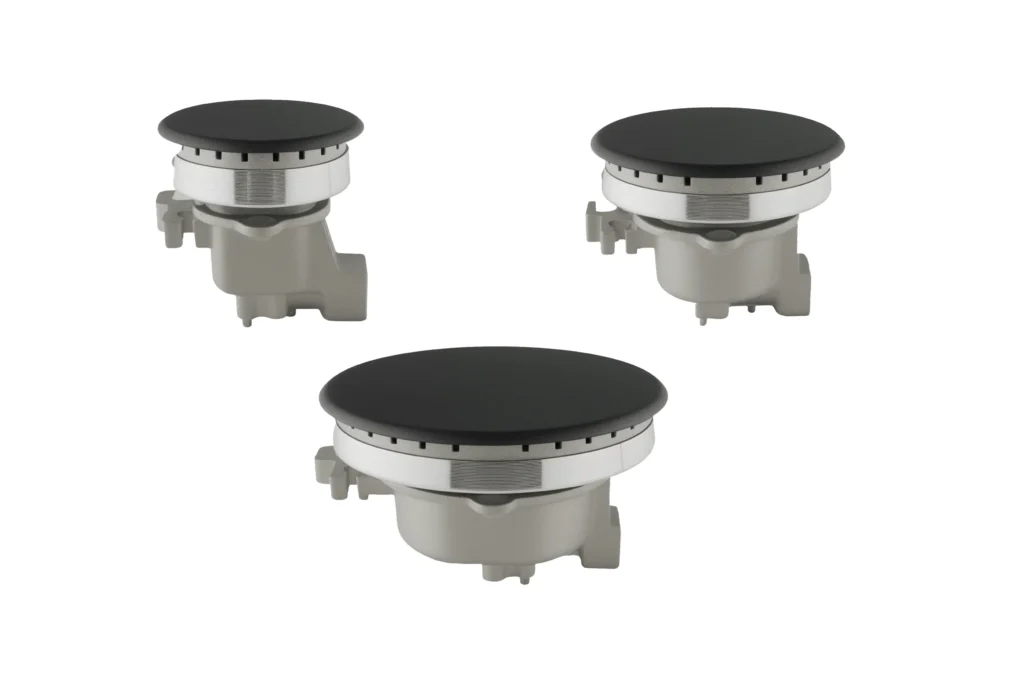
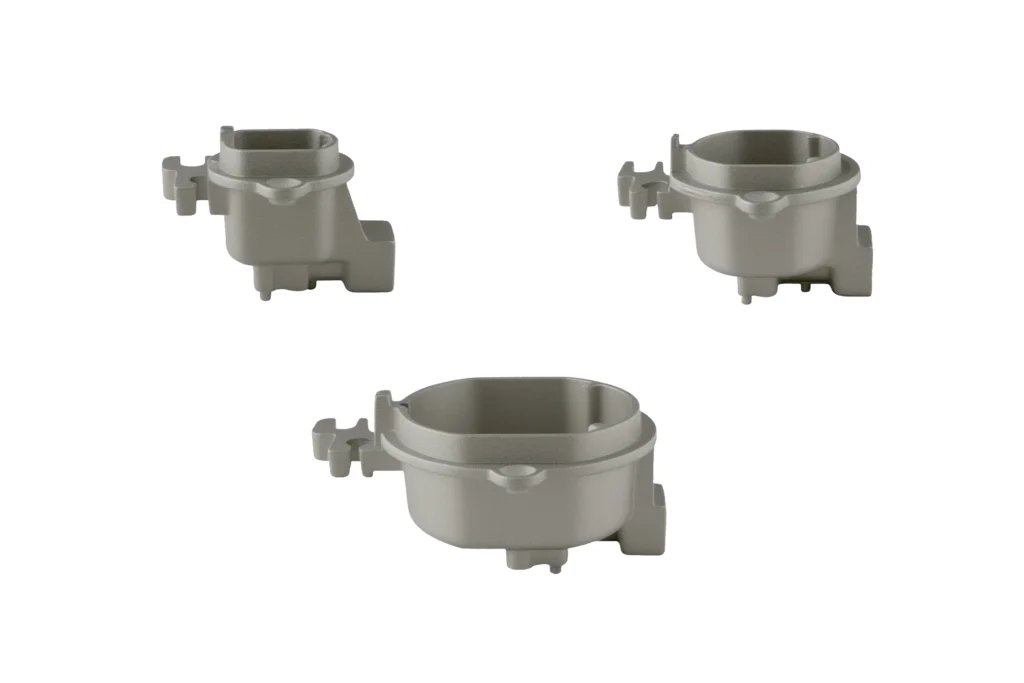
Gas cooktop burner parts form the core combustion system of a gas cooktop. Their primary function is to mix gas with air, distribute flames evenly, and maintain stable combustion under different operating conditions.
A typical gas cooktop burner assembly includes:
Burner base (burner body)
Burner cap or flame spreader
Flame ports (burner holes)
Air inlet and mixing tube
Gas injector (nozzle interface)
Ignition interface
Each component must be precisely designed to work together for safe and efficient operation.
Materials Used in Gas Cooktop Burner Parts
Material selection directly affects burner performance, service life, and production cost.
1. Cast Iron (GG20 / HT200)
Cast iron is widely used for burner bases in both household and commercial gas cooktops.
Key advantages:
Excellent heat resistance
High thermal stability
Long service life under continuous use
Typical applications:
Heavy-duty burners
Commercial gas cooktops
High-power household stoves
2. Aluminum Alloy (ADC12 / High-Temperature Aluminum)
Aluminum alloy is commonly used for non-flame-contact components such as air inlet tubes.
Key advantages:
Lightweight structure
Good casting accuracy
Lower logistics and handling costs
Engineering note: Aluminum parts are generally positioned away from direct flame exposure unless high-temperature aluminum alloys are specified.
3. Steel (Carbon Steel / Zinc-Plated Steel / Stainless Steel)
Steel is often used for flame rings, structural supports, or burner caps.
Key advantages:
Cost-effective
Easy to form and machine
Suitable for surface treatments such as zinc plating or enamel coating
Structural Design of Gas Cooktop Burner Parts
The structure of gas cooktop burner parts determines flame stability and combustion efficiency.
Burner Base Structure
The burner base supports the entire burner system and contains internal gas flow channels. Precision in casting and machining ensures proper gas distribution.
Flame Ports Design
Flame ports control flame shape and distribution. Their diameter, spacing, and angle directly affect flame uniformity and noise levels.
Air-Gas Mixing System
The air inlet tube and mixing chamber regulate the air-to-gas ratio. Proper design prevents yellow flames, incomplete combustion, and carbon buildup.
Manufacturing Process of Gas Cooktop Burner Parts
A stable manufacturing process ensures consistency across large OEM production volumes.
Step 1: Raw Material Preparation
Certified materials are selected according to design requirements and target market standards.
Step 2: Casting or Forming
Cast iron components are typically produced by sand casting.
Aluminum alloy components are produced by die casting.
Steel parts are manufactured by stamping or forming.
Step 3: Machining and Finishing
Critical dimensions such as gas channels, mounting holes, and flame ports are machined to ensure accuracy.
Step 4: Surface Treatment
Common surface treatments include:
High-temperature powder coating
Enamel coating
Zinc plating
Anti-rust painting
These treatments improve corrosion resistance and product appearance.
Step 5: Inspection and Testing
Each production batch undergoes dimensional inspection, airflow testing, and surface quality checks.
Common Manufacturing Challenges
OEM manufacturers should pay attention to the following issues:
Casting porosity affecting gas tightness
Uneven flame due to inaccurate flame port drilling
Coating failure under high temperatures
Inconsistent air-gas mixing performance
Experienced manufacturers address these challenges through optimized tooling and strict quality control.
Quality Standards and Compliance
Gas cooktop burner parts must support final appliance certification, including:
CE certification (EN 30 standard)
Internal flame stability testing
Leakage and safety inspections
High-quality burner parts reduce certification risks and product failure rates.
OEM Customization Options
Professional suppliers of gas cooktop burner parts typically offer:
Customized burner sizes and power ratings
LPG and Natural Gas compatibility
Custom surface finishes
Cost-optimized material alternatives
OEM branding options
Customization allows manufacturers to balance performance, cost, and market requirements.
Why Material and Process Selection Matters for OEM Buyers
Choosing the right materials and manufacturing process helps OEM manufacturers:
Improve product durability
Maintain stable flame performance
Control long-term production costs
Enhance global market competitiveness
Gas cooktop burner parts are not generic components—they are engineered systems.
Conclusion
Understanding the materials, structure, and manufacturing process of gas cooktop burner parts is essential for OEM gas stove manufacturers. Well-designed and well-produced burner components ensure safety, efficiency, and long-term reliability.
Selecting the right manufacturing partner with strong technical expertise is key to achieving consistent quality and sustainable growth in global markets.