Precision Investment Casting for Gas Burner Heads: Achieving Complex Geometries and Superior Surface Finish
Meta Description:Dive deep into the art and science of precision investment casting for gas burner heads. Learn how this process creates intricate internal channels, superior airflow paths, and durable, high-performance components with excellent metallurgical properties.
1. Introduction: The Quest for Complexity and Performance
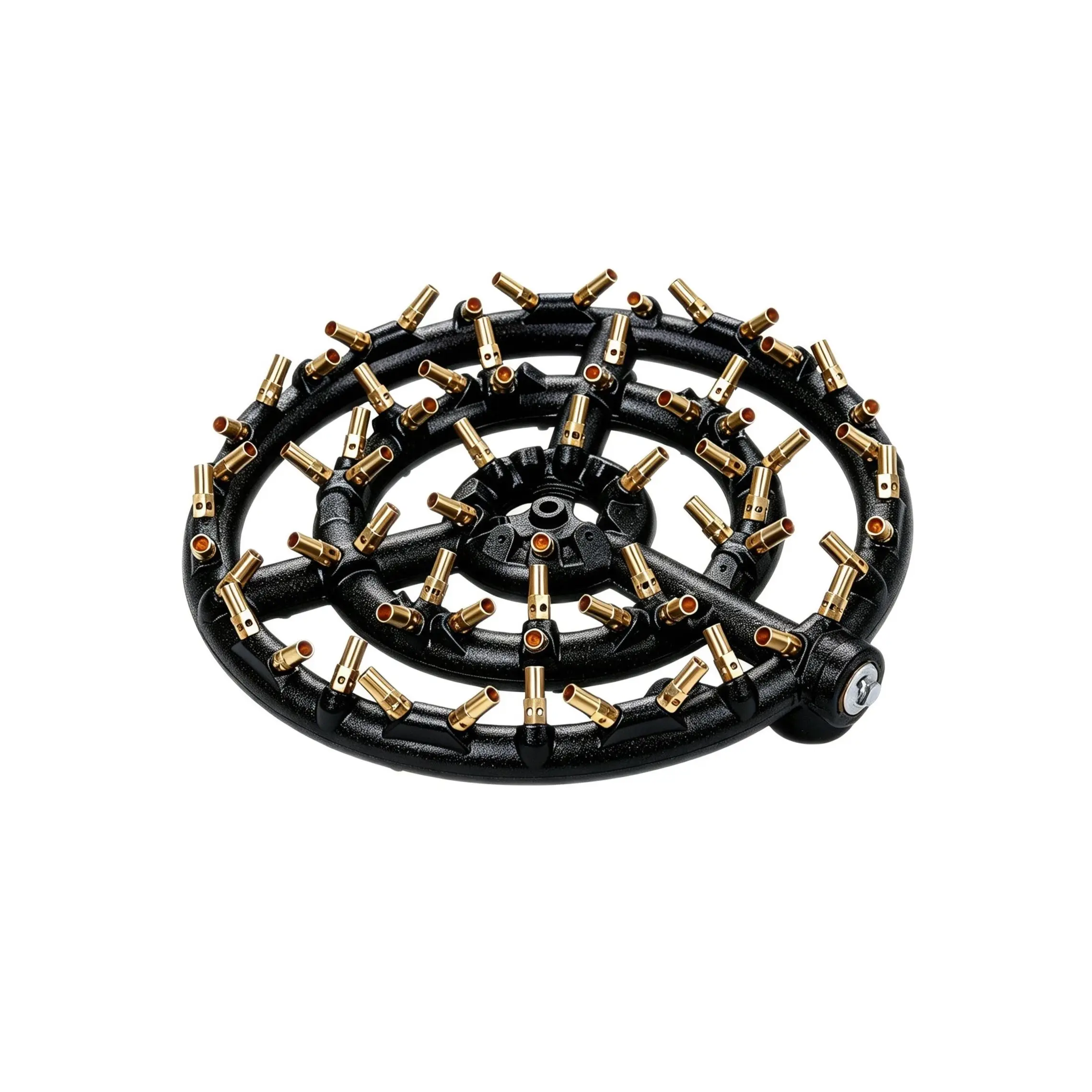
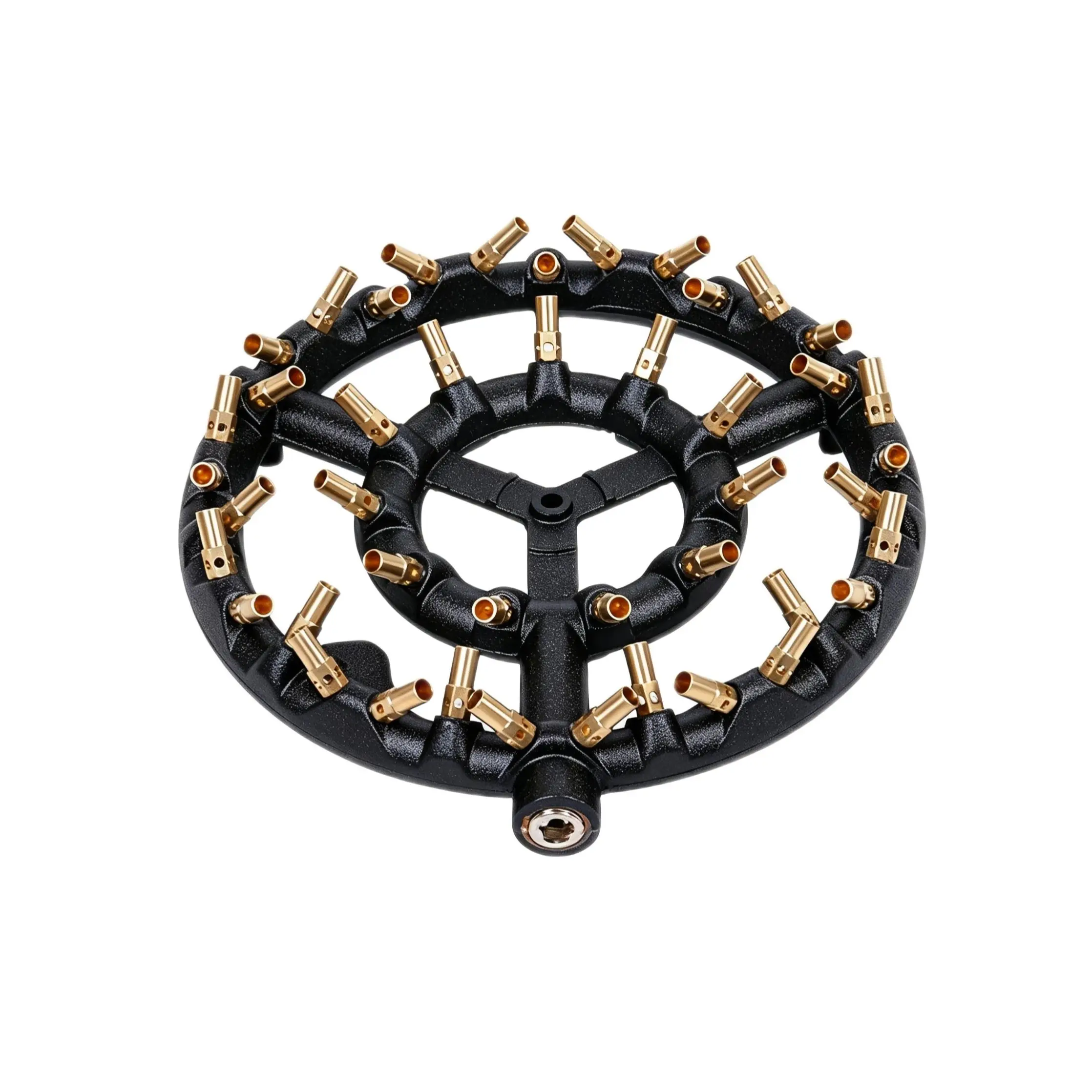
The evolution of efficient gas burner heads demands increasingly complex internal geometries—optimized air-gas mixing chambers, precisely tapered venturis, and intricate flame distributor patterns. Precision Investment Casting (PIC), also known as the lost-wax process, emerges as the superior manufacturing method to produce these sophisticated near-net-shape components with exceptional dimensional accuracy and surface integrity.
2. The Investment Casting Process: A Step-by-Step Breakdown
Step 1: Master Die & Pattern Creation: A master die is machined from steel or aluminum. Multiple wax patterns are injected into this die. For high-volume production, these patterns are often assembled into a “tree” cluster.
Step 2: Ceramic Shell Building: The wax pattern cluster undergoes a series of dips in fine ceramic slurries and stucco coatings. This builds a multi-layered, refractory ceramic shell around the wax, capable of withstanding molten metal temperatures exceeding 1100°C for copper alloys.
Step 3: Dewaxing & Shell Firing: The assembly is inverted and placed in a high-temperature autoclave or furnace. The wax is melted and drained out (“lost”), leaving a hollow, precise ceramic mold. The shell is then fired at high temperature to cure it and burn out any residual wax.
Step 4: Metal Pouring & Solidification: The molten copper-based alloy (e.g., C83600 or C84400) is poured into the preheated ceramic mold under controlled atmosphere to prevent oxidation. Advanced techniques like vacuum-assisted pouring ensure complete cavity fill and reduce porosity.
Step 5: Shell Removal, Cut-off, and Finishing: Once solidified, the ceramic shell is mechanically vibrated or blasted away. Individual castings are cut from the tree. Parts undergo processes like shot blasting, grinding of gates, and precision CNC machining of critical sealing surfaces.
3. Technical Advantages for Burner Head Manufacturing
Design Freedom: PIC allows for shapes impossible with machining or simple die-casting, such as internal helical air channels for inducing swirl combustion or undercuts for integrated flame retention features.
Superior Surface Finish: As-cast surfaces can achieve 2.0-3.2 μm Ra, minimizing airflow resistance and turbulence compared to porous sand castings, directly enhancing combustion efficiency.
Excellent Metallurgical Properties: The controlled, directional solidification possible in PIC reduces internal shrinkage defects and grain boundary weaknesses, resulting in a denser, more durable component with better thermal fatigue resistance.
Material Versatility: Suitable for a wide range of copper-tin-zinc (brass) and copper-aluminum (aluminum bronze) alloys specifically engineered for high-temperature strength and corrosion resistance.
4. Quality Control & Defect Mitigation
Non-Destructive Testing (NDT): X-ray radiography is essential to detect internal porosity or inclusions. Fluorescent penetrant inspection (FPI) identifies surface cracks.
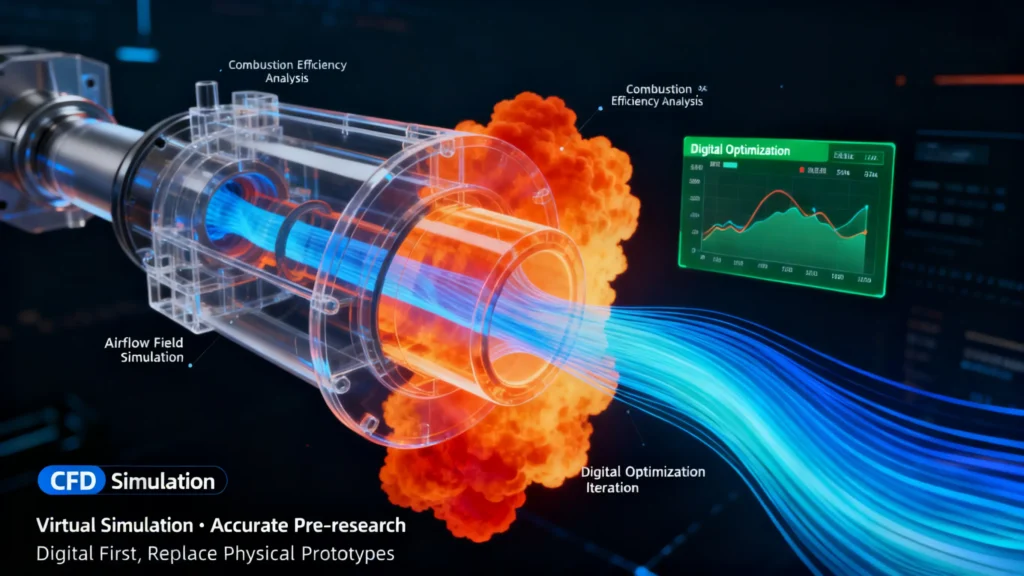
Process Simulation: Advanced software simulates mold filling, solidification, and thermal stresses to predict and eliminate defects like hot tears or shrinkage porosity before tooling is made.
Dimensional Verification: Optical 3D scanners compare finished castings against the original CAD model, ensuring dimensional tolerances within ±0.13mm per 25mm.
5. Economic & Application Considerations
While tooling (master die) costs are high, the per-part cost becomes competitive for medium to high volumes (5,000+ units). PIC is the preferred method for premium residential burners, all commercial-grade burner heads, and specialized applications like high-BTU wok burners where performance outweighs cost.
Conclusion:
Precision Investment Casting transcends mere manufacturing; it is an enabling technology for burner head innovation. By allowing engineers to realize optimal aerodynamic and thermal designs in durable metal, PIC is fundamental to developing the next generation of high-efficiency, low-emission gas burners.