The Science of Silent Combustion: How Airflow Engineering Eliminates Burner Noise and Instability
Hissing, roaring, or popping burners are a sign of poor design. Learn how advanced aerodynamics within the burner head create a silent, stable, and efficient flame.

Introduction: Address the common but often ignored problem of noisy burners and how it points to underlying inefficiencies.
The Anatomy of Burner Noise:
- The Root Cause – Turbulence: Explain how poorly managed air-gas mixing creates vortices and pressure oscillations that manifest as sound.
- The Lift-Off & Flashback Dilemma: Describe how incorrect gas velocity can cause the flame to detach from the ports (lift-off) or travel down into the mixer tube (flashback), creating popping sounds.
Engineering for Silence and Stability:
- Venturi Tube Optimization: Explain the physics of the Venturi effect in drawing the correct amount of primary air, and how precision machining is critical.
- Air Shutter Precision: Detail the role of the adjustable air shutter in fine-tuning the air-to-fuel ratio for different gas types and pressures.
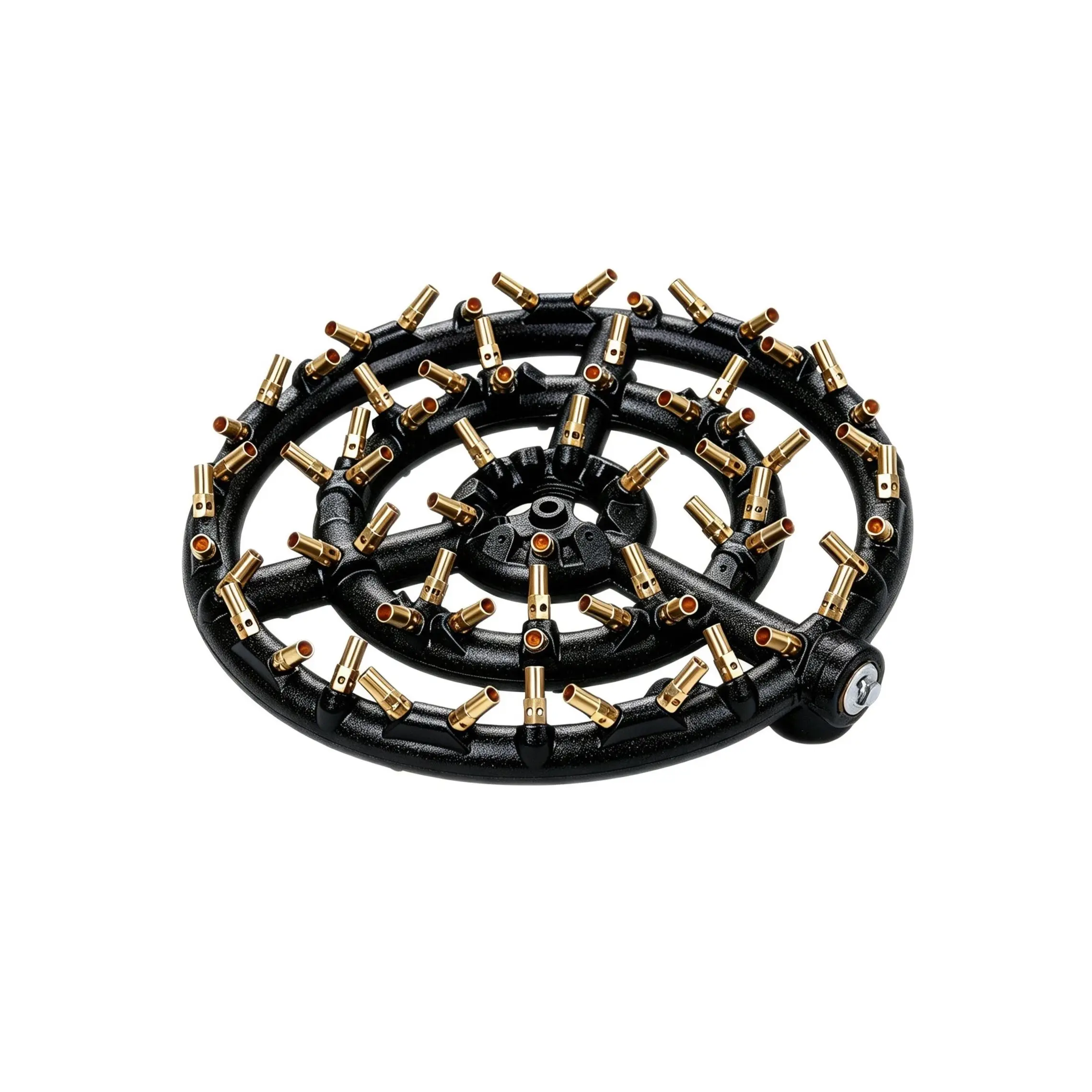
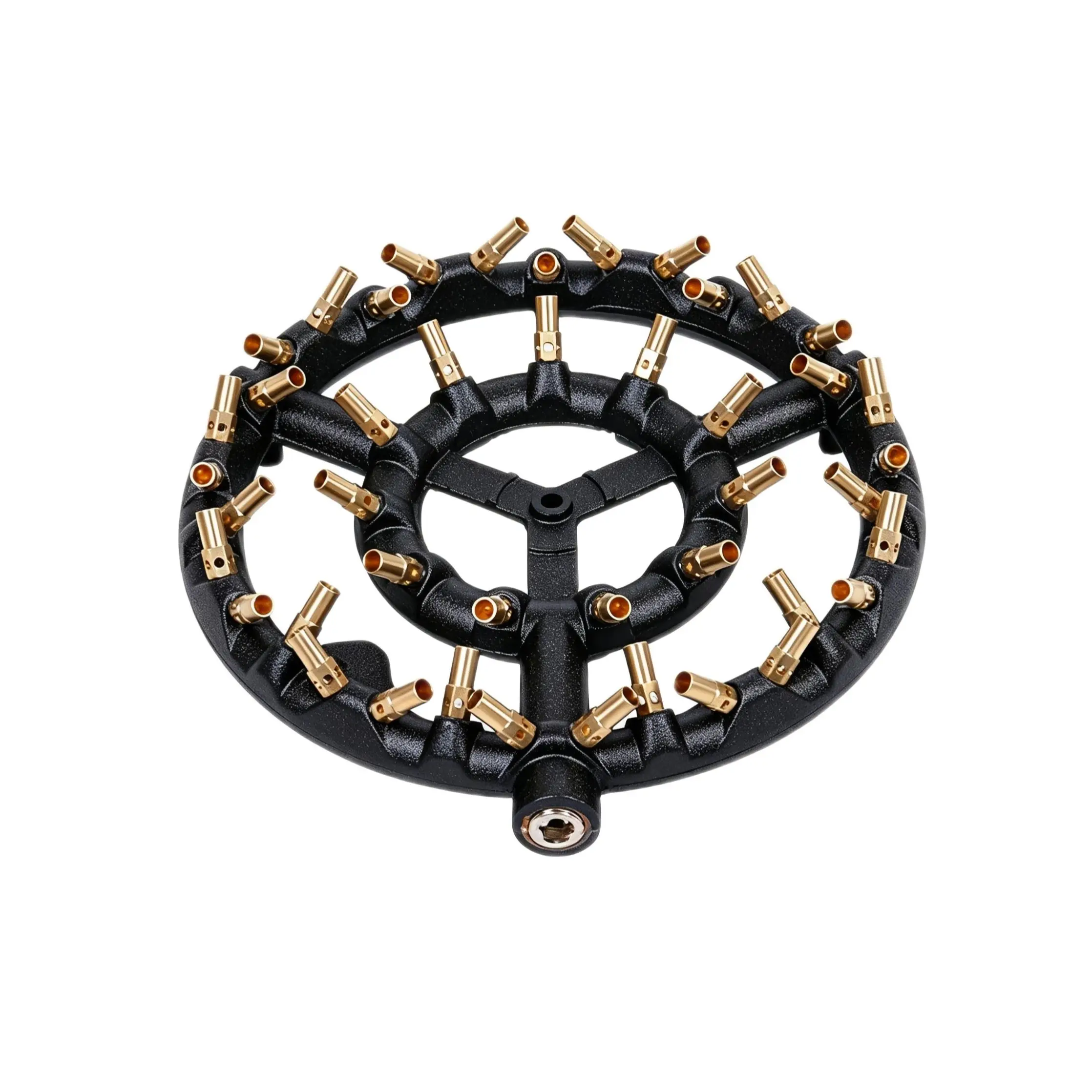
- Port Design Geometry: Discuss how the size, shape, and spacing of the flame ports are calculated to maintain flame anchoring and prevent oscillations.
The Role of Computational Fluid Dynamics (CFD):
- Virtual Prototyping: Show how CFD software simulates airflow and combustion inside the burner before a physical prototype is ever made, optimizing the design digitally.
- The Result: Perfect Combustion: Connect a well-designed, quiet burner to ultimate performance metrics: higher efficiency, lower emissions, and consistent heat output.
Conclusion: Silence isn’t just a luxury; it’s the audible proof of precision engineering.
CTA: “Tired of noisy, unstable burners? Speak with our engineering team about integrating our aerodynamically optimized burner heads into your designs.”