Common Problems in Commercial Jet Burner Systems and How High-Quality Manufacturing Solves Them
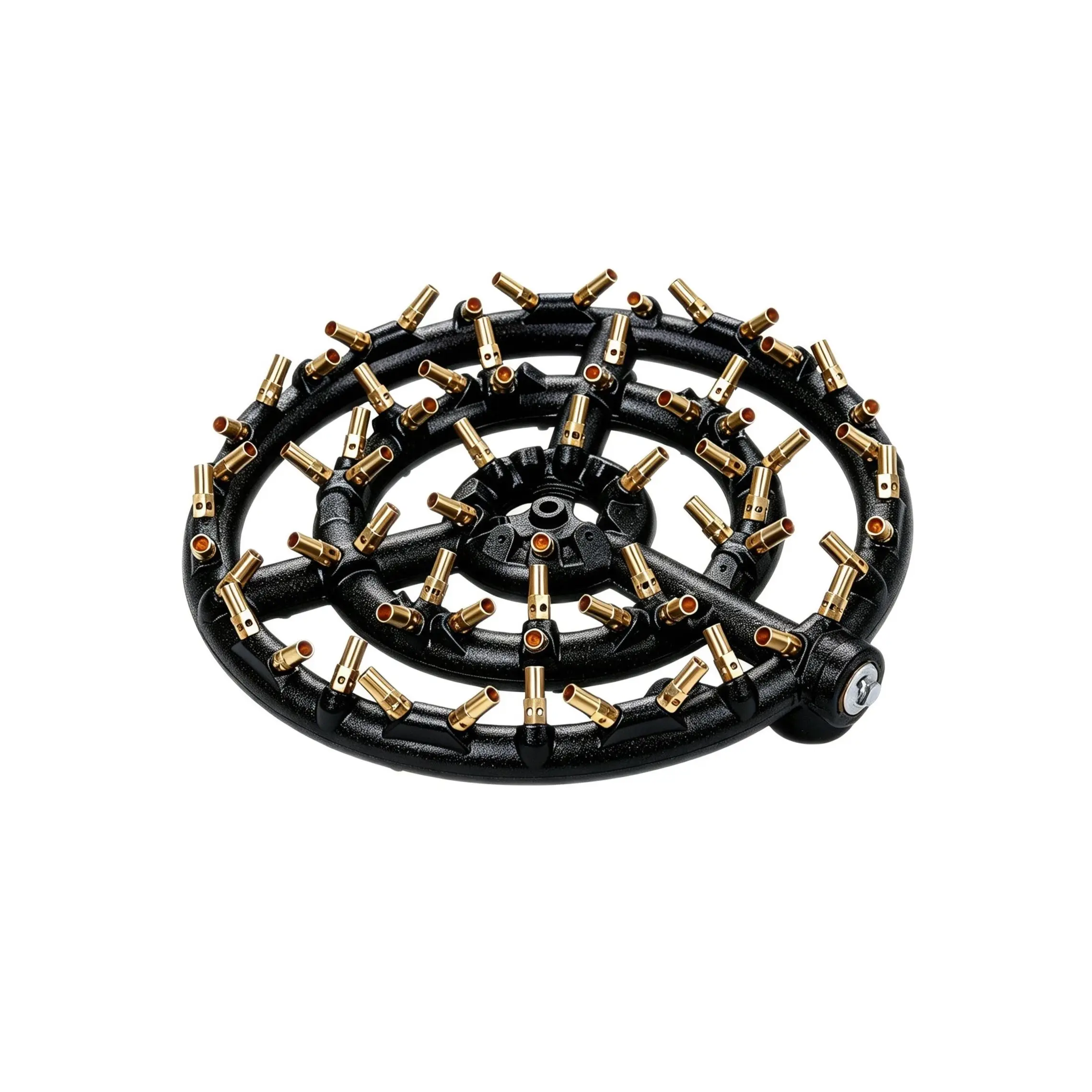
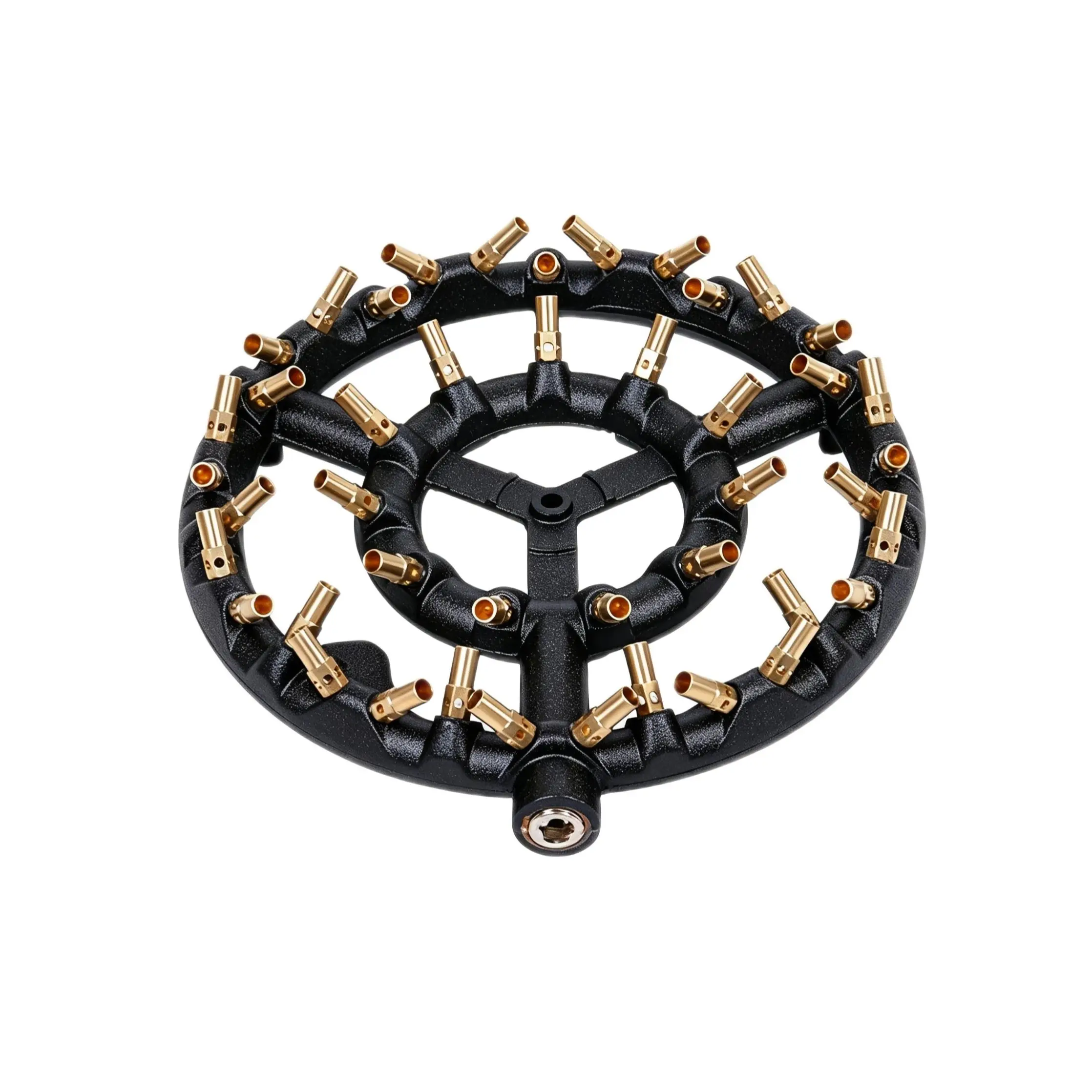
Commercial kitchens depend on reliable heating equipment to maintain efficiency, food quality, and operational productivity. Among the most important components, the Jet Burner plays a critical role in delivering high heat output and stable flame performance.
However, not all burner systems perform equally well. Poor design, low-quality materials, and inconsistent manufacturing often lead to operational problems that increase maintenance costs and reduce equipment lifespan.
Therefore, restaurant equipment manufacturers, distributors, and commercial kitchen suppliers must understand the most common Jet Burner issues and how high-quality manufacturing helps prevent them.
This guide explores the key problems found in commercial burner systems and explains how professional manufacturing processes provide long-term solutions.

Enter Product Center
Why Jet Burner Quality Matters in Commercial Kitchens
Commercial cooking equipment operates under demanding conditions every day. Unlike residential stoves, restaurant burners often run continuously for long periods while producing high levels of heat.
As a result, even minor manufacturing defects can quickly become major operational problems.
A well-designed Jet Burner helps ensure:
- Consistent heat output
- Stable flameperformance
- Efficient fuel consumption
- Longer equipment lifespan
- Reduced maintenance costs
Consequently, burner quality directly affects customer satisfaction and brand reputation.
Common Problem #1: Uneven Flame Distribution
One of the most common issues in commercial burner systems is uneven flame distribution.
When flames vary in size or intensity, cooking temperatures become inconsistent. As a result, chefs struggle to maintain cooking precision, especially during high-volume service periods.
Main Causes
Several factors may contribute to this issue:
- Poor burner design
- Inaccurate casting dimensions
- Uneven gas channel distribution
- Low manufacturing precision
Furthermore, inconsistent machining can create variations in burner port sizes, which negatively affect flame balance.
Manufacturing Solution
Professional Jet Burner manufacturers use:
- Precision casting technology
- CNC machining processes
- Strict dimensional inspections
Therefore, gas flows evenly through every burner port, creating stable and uniform flame distribution.
Common Problem #2: Excessive Fuel Consumption
Many restaurant operators complain about increasing gas costs despite maintaining similar cooking volumes.
In many cases, inefficient burner design contributes significantly to fuel waste.
Main Causes
Common causes include:
- Poor air-to-gas mixing
- Incomplete combustion
- Unstableflame patterns
- Improper burner geometry
Consequently, the burner consumes more fuel while producing less usable heat.
Manufacturing Solution
High-quality Jet Burner systems feature optimized combustion chamber designs.
In addition, experienced manufacturers carefully engineer air intake structures to improve fuel efficiency.
As a result, commercial kitchens achieve:
- Lower gas consumption
- Faster cooking performance
- Better heat utilization
Common Problem #3: Burner Cracking Under High Temperatures
Commercial kitchens frequently expose burners to extreme thermal stress.
Over time, low-quality materials may crack or deform.
Consequently, burner performance declines and replacement costs increase.
Main Causes
This problem often occurs because manufacturers use inferior materials or poor casting processes.
For example:
- Low-grade iron
- Weak structural design
- Inadequate heat resistance
Manufacturing Solution
Many professional kitchen equipment manufacturers prefer cast iron Jet Burner systems because cast iron offers exceptional thermal durability.
Moreover, high-quality foundries control material composition carefully to ensure consistent strength.
As a result, the burner withstands continuous high-temperature operation without structural failure.
Common Problem #4: Flame Instability and Yellow Flames
Stable blue flames indicate efficient combustion. However, some commercial burners produce yellow or unstable flames.
This issue affects cooking performance and increases fuel consumption.
Main Causes
Several factors may contribute:
- Uneven gas flow
- Poor combustion design
- Inaccurate burner port dimensions
- Manufacturing defects
Furthermore, inconsistent casting quality can disrupt airflow patterns.
Manufacturing Solution
Professional Jet Burner manufacturers conduct extensive flame testing during production.
Additionally, precision machining ensures consistent burner port dimensions.
Therefore, burners deliver:
- Stable blue flames
- Better combustion efficiency
- More reliable cooking performance
Common Problem #5: Short Service Life
Restaurant operators expect commercial equipment to perform reliably for years.
Unfortunately, low-quality burners often wear out prematurely.
Consequently, equipment downtime increases and operating costs rise.
Main Causes
Premature wear typically results from:
- Poor material quality
- Weak structural integrity
- Inadequate manufacturing standards
Manufacturing Solution
Reliable Jet Burner suppliers focus on:
- Premium cast iron materials
- Precisionproductionprocesses
- Strict quality control procedures
As a result, burners maintain performance over extended periods and require fewer replacements.
Why High-Quality Manufacturing Makes the Difference
While burner design remains important, manufacturing quality ultimately determines real-world performance.
Therefore, OEM manufacturers and distributors should evaluate production capabilities carefully before selecting a supplier.
A professional Jet Burner manufacturer typically provides:
Precision Casting
Accurate casting improves dimensional consistency and flame performance.
CNC Machining
Precision machining ensures uniform burner ports and gas channels.
Material Traceability
Consistent raw materials improve durability and thermal resistance.
Comprehensive Testing
Reliable manufacturers perform:
- Flame testing
- Heat resistance testing
- Dimensional inspection
- Durability verification
Consequently, buyers receive products that meet commercial performance requirements.
What OEM Manufacturers and Wholesalers Should Look For
When sourcing Jet Burner products, commercial buyers should focus on long-term value rather than only unit price.
Important evaluation factors include:
- Manufacturing experience
- Quality control systems
- OEM customization capability
- Production capacity
- Export experience
- Technical support
Furthermore, working with an experienced supplier helps reduce sourcing risks and improve product consistency.
OEM Jet Burner Solutions for Commercial Kitchen Equipment
We specialize in manufacturing high-performance Jet Burner products for restaurant equipment manufacturers, distributors, and wholesalers worldwide.
Our Advantages
Heavy-Duty Cast Iron Construction
- Excellent heat resistance
- Long operational lifespan
- Strong structuralstability
High-Efficiency Burner Design
- Stable flameperformance
- Optimized combustion efficiency
- Uniform heat distribution
OEM & ODM Support
- Custom burner dimensions
- LPG and natural gas compatibility
- Private labeling services
Reliable Manufacturing
- Advanced casting technology
- Strict quality inspection
- Stable bulk production capacity
Partner with a Reliable Jet Burner Manufacturer
Common burner problems can significantly affect commercial kitchen performance. However, high-quality manufacturing eliminates many of these issues before products reach the market.
Therefore, choosing the right Jet Burner supplier helps OEM manufacturers and wholesalers reduce warranty claims, improve product reliability, and strengthen customer satisfaction.
If you are looking for a dependable partner for commercial burner solutions, our team is ready to support your project.
Contact Us Today To:
- Request product samples
- Receive competitive quotations
- Discuss OEM requirements
- Explore long-term business cooperation
High-quality burner systems create stronger commercial kitchen equipment and better business opportunities.