Outdoor Gas Burner Maintenance Tips for Long-Term Performance in Professional Kitchen
In professional kitchens, equipment reliability directly affects productivity and operating costs. A high-quality Outdoor Gas Burner can deliver strong heat output and stable flame performance for years. However, regular maintenance remains essential for maintaining efficiency and extending product lifespan.
For restaurant equipment distributors, catering suppliers, and commercial kitchen manufacturers, understanding proper burner maintenance helps reduce equipment failures and improve customer satisfaction.
This guide explains practical Outdoor Gas Burner maintenance tips that support long-term performance in demanding commercial environments.

Enter Product Center
Why Regular Maintenance Matters
Commercial kitchens often operate for long hours under high temperatures. Grease, food residue, and environmental exposure can gradually affect burner performance.
Without proper maintenance, businesses may experience:
- Unstableflameperformance
- Increased gas consumption
- Reduced heat efficiency
- Higher repair and replacement costs
Therefore, regular inspection and cleaning help maintain reliable operation and reduce downtime.
1. Clean Burner Ports Regularly
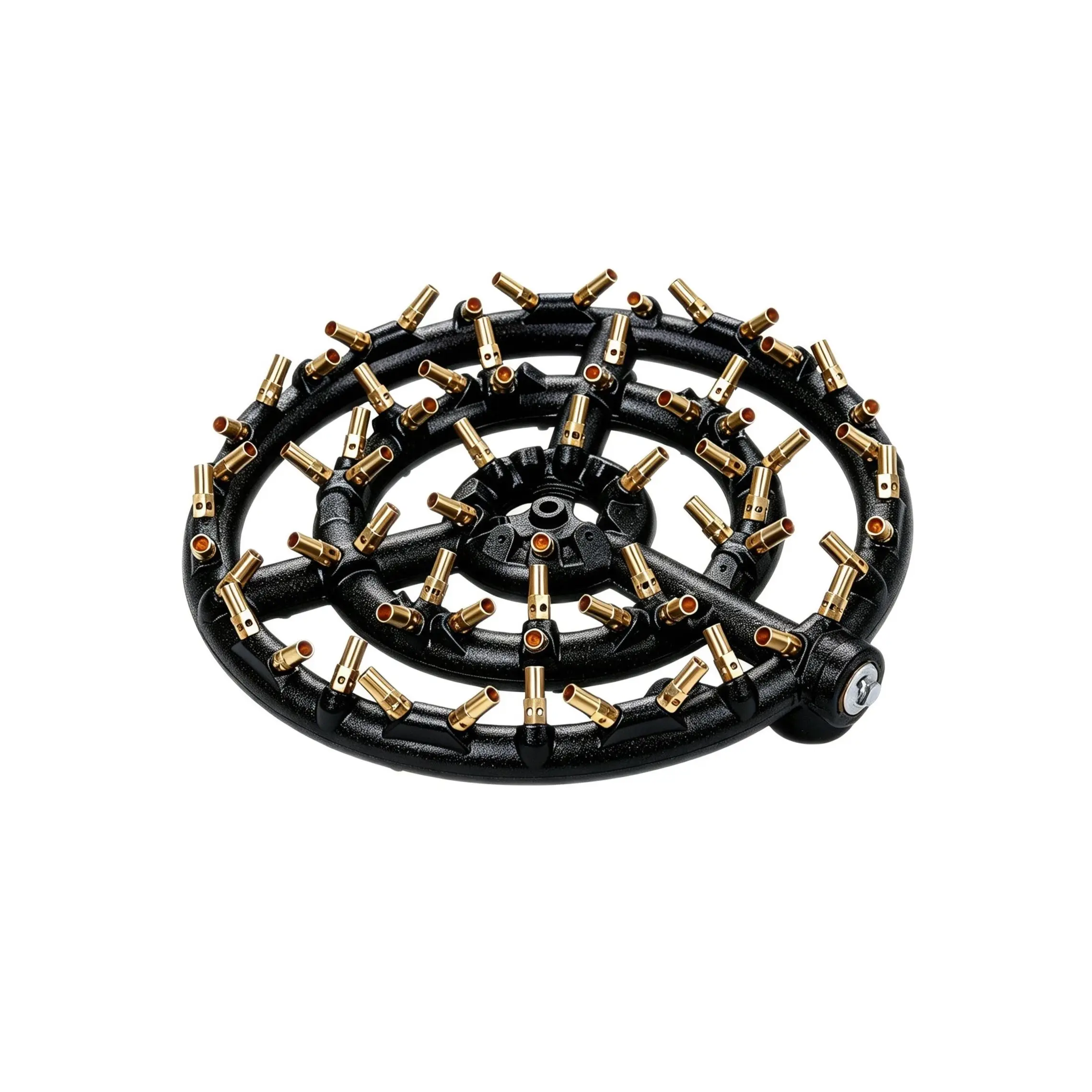
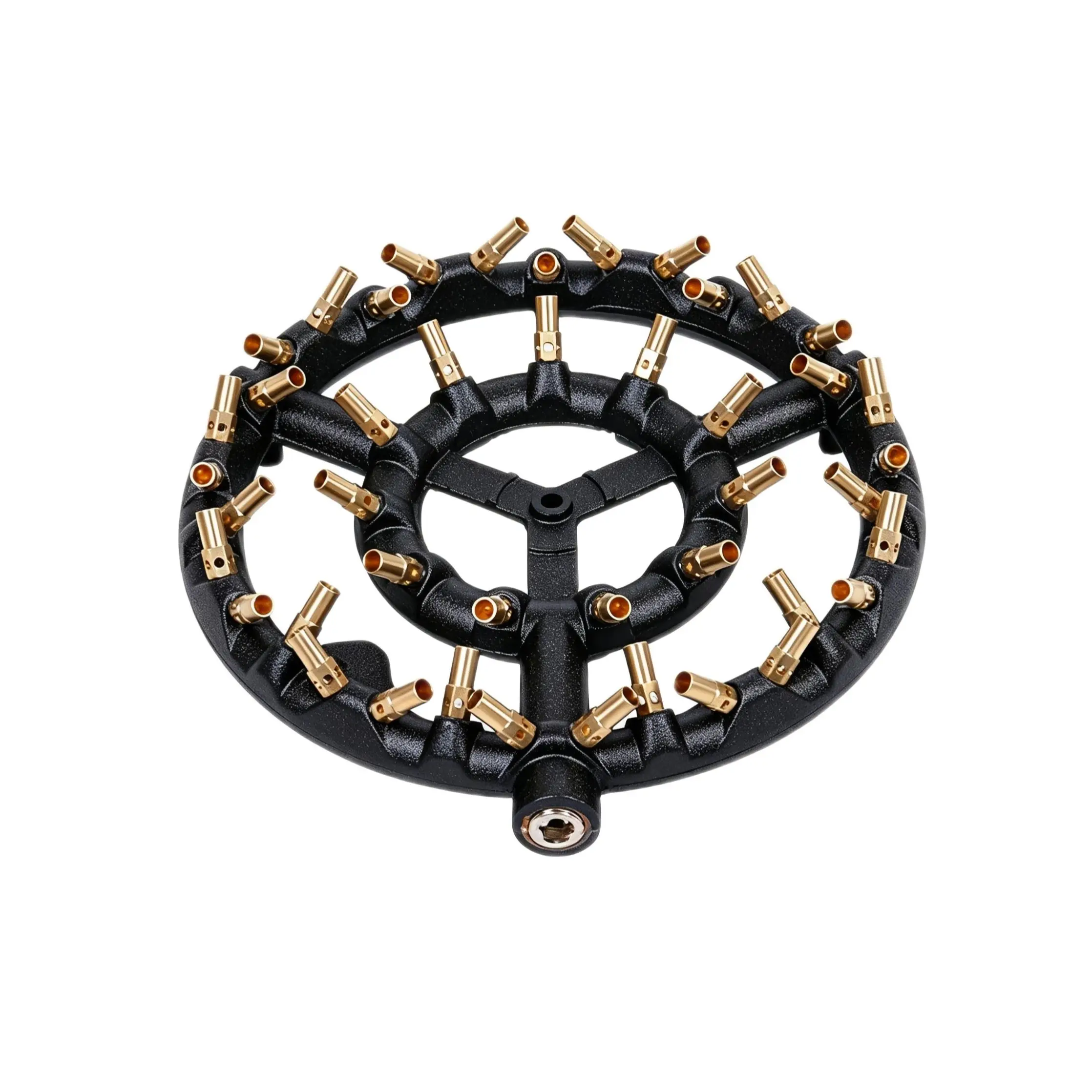
Burner ports control gas distribution and flame stability. Over time, grease and debris may block these openings.
Blocked ports often cause:
- Uneven flames
- Weak heat output
- Incomplete combustion
To maintain stable performance:
- Turn off the gas supply before cleaning
- Use a soft brush or compressed air to remove debris
- Avoid using sharp tools that may damage the flame ports
Consistent cleaning helps maintain efficient combustion and balanced heat distribution.
2. Inspect Flame Color and Stability
Flame appearance provides important information about burner performance.
A properly functioning Outdoor Gas Burner should produce:
- Stable blue flames
- Even heat distribution
- Minimal flame fluctuation
Yellow or unstable flames may indicate:
- Blocked gas ports
- Incorrect air-to-gas mixture
- Gas flow issues
Early inspection helps prevent larger operational problems.
3. Check Gas Connections and Valves
Loose gas connections can affect safety and burner efficiency. Professional kitchens should inspect gas lines and valve systems regularly.
Important checks include:
- Connection tightness
- Signs of gas leakage
- Valve responsiveness
Reliable gas flow improves both safety and combustion performance.
4. Remove Grease and Carbon Buildup
Outdoor cooking environments often create grease accumulation and carbon deposits.
Excess buildup can:
- Reduce heat transfer efficiency
- Affectflamestability
- Shorten burner lifespan
Regular surface cleaning helps maintain performance and improves overall kitchen hygiene.
5. Protect Burners from Moisture and Corrosion
Outdoor kitchens expose equipment to humidity and weather changes. Moisture can damage metal surfaces and reduce burner durability over time.
To reduce corrosion risk:
- Store equipment in dry areas when not in use
- Use protective covers for outdoor setups
- Dry burners completely after cleaning
Burners with high-temperature and anti-corrosion coatings generally provide better long-term durability.
6. Monitor Burner Structure and Stability
Commercial kitchens frequently use heavy cookware, which places constant pressure on burner structures.
Regular inspections should check for:
- Cracks or deformation
- Warped burner supports
- Structural instability
Strong structural integrity helps maintain safe operation during continuous use.
7. Schedule Preventive Maintenance
Instead of waiting for equipment failure, professional kitchens should create scheduled maintenance routines.
Preventive maintenance may include:
- Monthly burner inspections
- Flame performance testing
- Gas flow system checks
- Surface cleaning and lubrication
Consistent maintenance helps businesses reduce unexpected downtime and repair costs.
Why Burner Quality Also Matters
Even with proper maintenance, low-quality burners often experience shorter lifespans and unstable performance.
Professional Outdoor Gas Burner products typically feature:
- Cast iron burner bodies
- Precision-machined flame ports
- Heat-resistant components
- Corrosion-resistant surface treatments
As a result, higher-quality burners require less maintenance and deliver more reliable long-term performance.
OEM Outdoor Gas Burner Solutions for Professional Kitchens
We manufacture high-performance Outdoor Gas Burner products designed for restaurants, catering equipment, and commercial cooking systems.
Our Capabilities Include:
Durable Construction
- High-grade cast iron materials
- Heat-resistant alloy components
- Long service life under heavy use
Precision Engineering
- Stable flame distribution
- Optimized combustion systems
- Consistent heat performance
OEM Support
- Custom burner sizes and power levels
- LPG and natural gas configurations
- Branding and packaging customization
Reliable Production
- Strict quality inspection
- Stable bulk supply capacity
- Consistent manufacturing standards
Build Long-Term Reliability with the Right Burner Supplier
Proper maintenance improves burner lifespan, but product quality remains equally important. Choosing a reliable Outdoor Gas Burner supplier helps distributors and equipment manufacturers reduce service issues and improve customer satisfaction.
Our team supports global B2B buyers with durable burner solutions designed for demanding commercial kitchen environments.
Contact us to:
Reliable products create Reliable commercial kitchens.