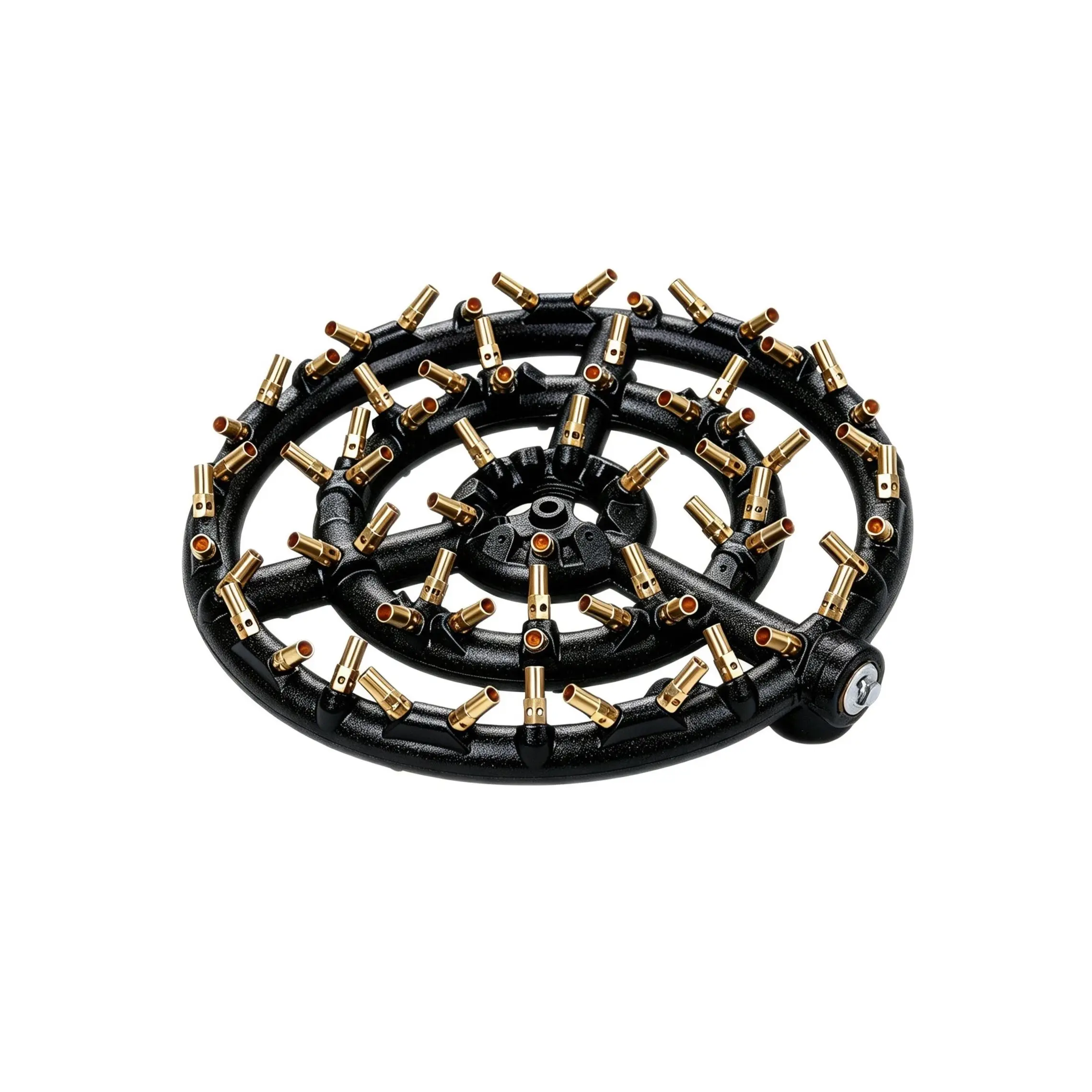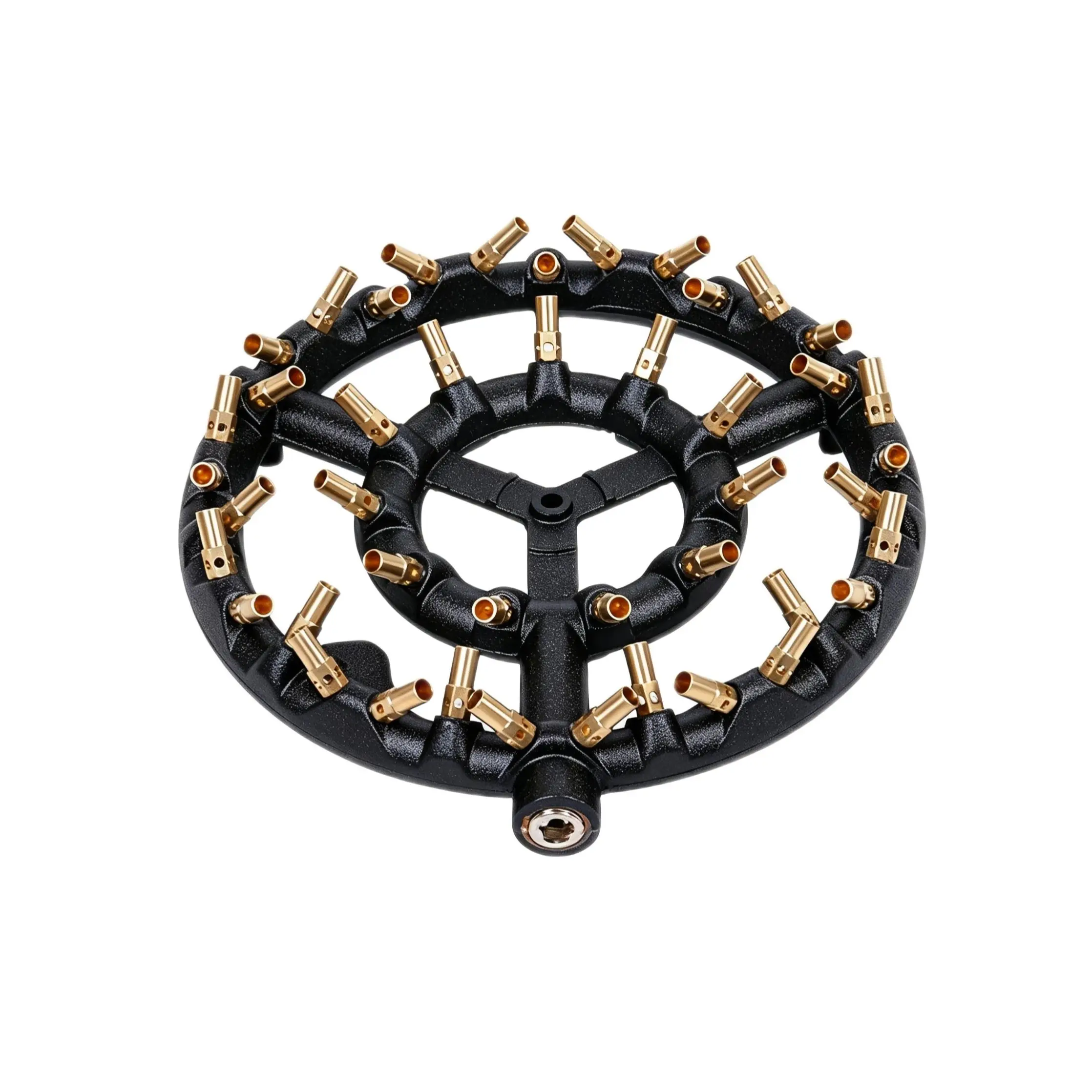
How to Choose the Right Gas Stove Burner Cap for Household Kitchens
The gas stove burner cap plays a crucial role in flame distribution, combustion efficiency, and daily cooking performance. Many homeowners focus on burners and ignition systems, but the burner cap directly shapes flame stability and heat spread.
If you want consistent cooking results and long-term durability, you must choose the right gas stove burner cap for your household kitchen. This guide explains what to look for and how to make the best choice.

Enter product center
What Does a Gas Stove Burner Cap Do?
A gas stove burner cap sits on top of the burner head. It distributes gas evenly across flame ports and stabilizes combustion.
A well-designed burner cap:
Creates uniform flame rings
Improves heat distribution across cookware
Reduces flame lifting and blow-off
Enhances fuel efficiency
If you choose the wrong burner cap, you may experience uneven heating, weak simmer control, or noisy combustion.
1. Choose the Right Material
Material affects durability, heat resistance, and long-term performance.
Cast Iron Burner Caps
Cast iron remains a popular option for household kitchens. It offers:
Strong heat retention
Excellent flame stability
Long service life
Cast iron suits families who cook frequently at high heat levels.
Brass Burner Caps
Brass burner caps provide:
High corrosion resistance
Attractive appearance
Precise machining accuracy
Many premium gas stoves use brass caps to enhance both performance and visual appeal.
Enamel-Coated Options
Some manufacturers apply enamel coatings to improve rust resistance and cleaning convenience. This option works well in humid kitchen environments.
2. Match the Burner Cap Size to the Burner Base
Size compatibility directly affects flame quality.
When choosing a gas stove burner cap, check:
Outer diameter
Inner alignment structure
Height and seating stability
If the cap does not fit tightly on the burner base, flames may become uneven or unstable. Proper alignment ensures smooth gas flow and consistent ignition.
3. Consider Flame Port Design
Flame port design influences combustion efficiency.
High-quality burner caps feature:
Evenly spaced flame openings
Balanced gas channel design
Smooth finishing to reduce carbon buildup
Good design supports steady simmering and powerful high-heat cooking. Poor design may cause yellow flames or incomplete combustion.
4. Evaluate Heat Distribution Performance
Even heat distribution improves cooking precision.
A well-designed gas stove burner cap spreads flames symmetrically under cookware. This design prevents hot spots and improves cooking results, especially for frying, boiling, and simmering.
If you cook with large pots or flat-bottom pans, prioritize burner caps that provide wide and stable flame coverage.
5. Check Durability and Maintenance Requirements
Household kitchens expose burner caps to:
High temperatures
Oil splashes
Cleaning chemicals
Moisture
Choose a burner cap that resists rust, deformation, and surface cracking. Durable materials reduce replacement frequency and maintenance costs.
Easy-to-clean designs also improve daily convenience.
6. Ensure Compatibility with Gas Type
Different regions use LPG or natural gas. Although the burner cap does not control gas pressure directly, its design must match the burner system calibrated for the gas type.
When replacing a burner cap, confirm compatibility with your existing gas stove model and fuel system.
7. Balance Performance and Budget
Price varies depending on material, machining precision, and coating quality.
For most household kitchens:
Cast iron offers strong durability at reasonable cost
Brass provides premium performance and corrosion resistance
Instead of choosing the cheapest option, focus on long-term reliability and cooking performance.
Common Signs You Need a New Burner Cap
You may need to replace your gas stove burner cap if you notice:
Uneven or yellow flames
Delayed ignition
Visible cracks or warping
Rust that affects flame distribution
Replacing a worn burner cap often restores flame stability and improves cooking efficiency immediately.
Conclusion
Choosing the right gas stove burner cap improves flame stability, enhances heat distribution, and extends the lifespan of your stove. Focus on material quality, size compatibility, flame port design, and durability when making your decision.
A properly selected burner cap delivers safer combustion, better cooking results, and greater long-term value for your household kitchen.